
A beautiful kitchen or bathroom is about more than choosing the right colors and materials. The most successful spaces balance aesthetics with functionality, durability and the way you actually live in your home.
That balance can be surprisingly easy to lose during a renovation. Something that looks beautiful in a showroom may not be practical for everyday use. A striking layout may leave you without enough storage. And a design built too heavily around current trends can begin to feel dated long before the renovation itself has reached the end of its useful life.
When you’re making a significant investment in your home, avoiding common design mistakes can be just as important as knowing what to include. Thoughtful planning helps ensure your kitchen or bathroom feels cohesive, functions well and continues to suit your lifestyle over time.
If you’re still establishing the foundation for your design, our guide to timeless kitchen and bathroom design offers a helpful starting point. Once you begin planning the renovation itself, it’s equally important to understand which decisions can create problems down the road.
Here are some of the most common mistakes to avoid:
1. Overcommitting to Trends
Design trends can be inspiring, but they can also have a short lifespan.
Highly stylized tile patterns, overly decorative hardware, dramatic color combinations and other statement-making details can quickly become the defining feature of a room. When that particular look falls out of favor, replacing it can mean another expensive renovation.
That doesn’t mean a timeless kitchen or bathroom has to be predictable or devoid of personality. The key is being intentional about where you introduce trends.
Consider incorporating more trend-forward choices through elements that are easier to change, such as:
- Decorative accessories
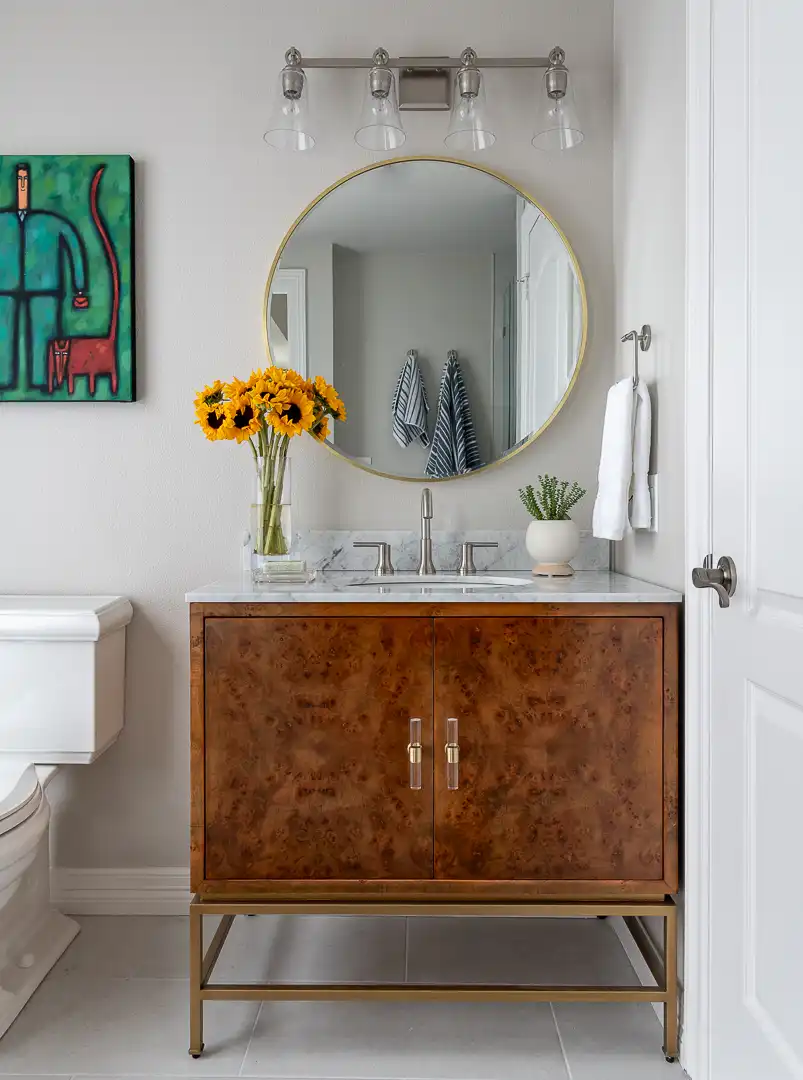
- Artwork and mirrors
- Paint colors
- Hardware
- Light fixtures
- Textiles
For more permanent elements such as cabinetry, countertops, flooring and major tile installations, choose materials and finishes you genuinely love rather than selecting something simply because it is popular right now.
A timeless space can still have personality. It simply doesn’t depend on a trend to create it.
2. Underestimating Storage Needs
Storage is one of those things homeowners rarely regret having more of.
Kitchens and bathrooms accumulate an impressive number of everyday essentials. Small appliances, cookware, serving pieces, cleaning supplies, toiletries, linens and personal-care products all need a place to live. Without adequate storage, even a beautifully designed room can quickly become cluttered.
The mistake is often planning storage around the room rather than around the way you actually use it.
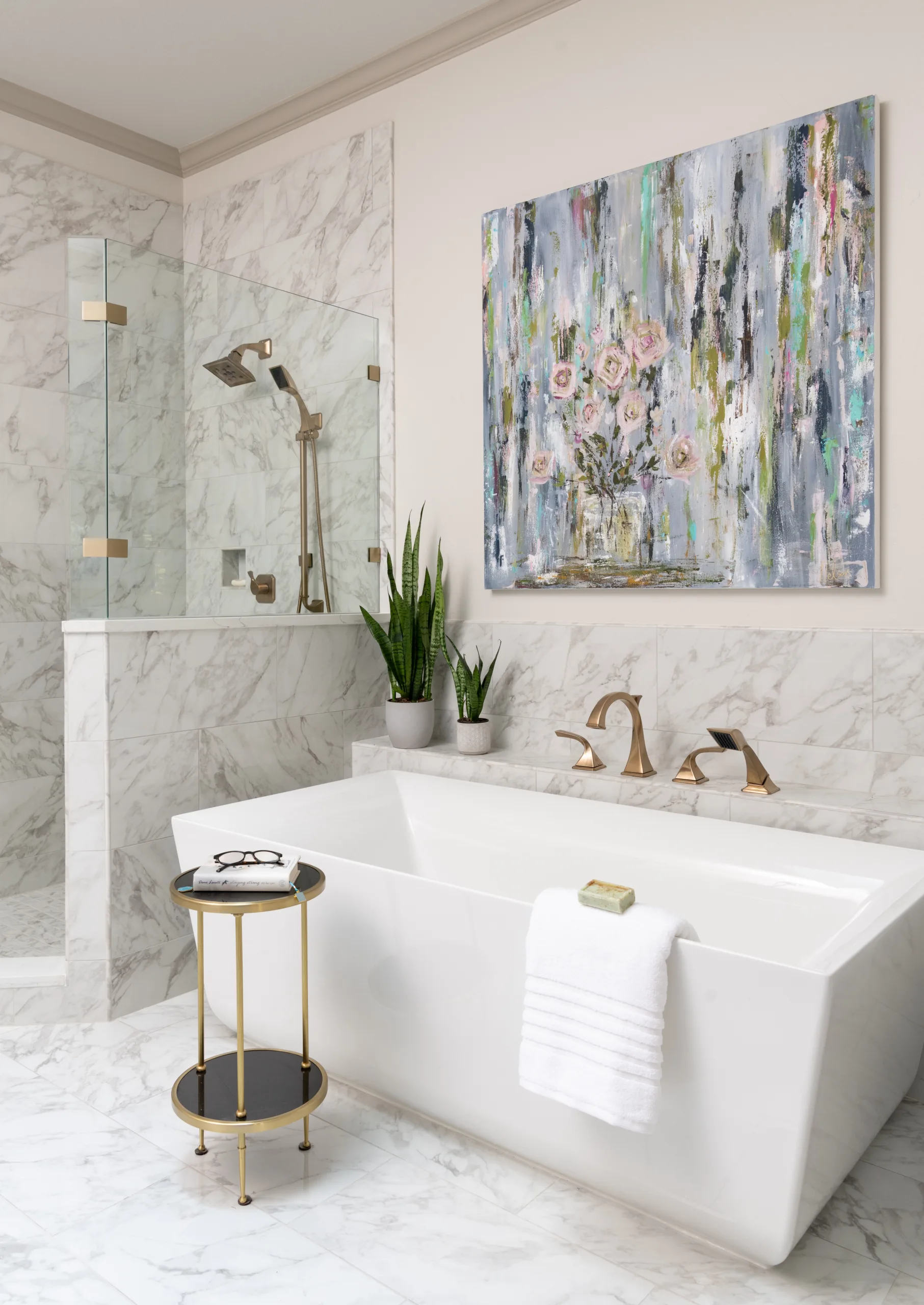
Before finalizing cabinetry, consider what you currently own, what you use most often and where you want those items to live. In a kitchen, that might mean deep drawers for cookware, dedicated spaces for small appliances or customized pantry storage. In a bathroom, built-in cabinetry, vanity drawers, medicine cabinets and shower niches can keep frequently used items accessible without leaving them on display.
The goal isn’t simply more storage. It is storage that works for your routines and helps the room stay organized.
3. Treating Lighting as an Afterthought
Lighting is easy to overlook during the early stages of a renovation, but correcting a poorly planned lighting scheme later can be difficult.
Relying solely on overhead lighting can leave kitchen work surfaces poorly illuminated and create harsh shadows around a bathroom vanity. Even beautiful materials can lose their impact when they aren’t properly lit.
Instead, consider lighting as part of the overall design from the beginning.
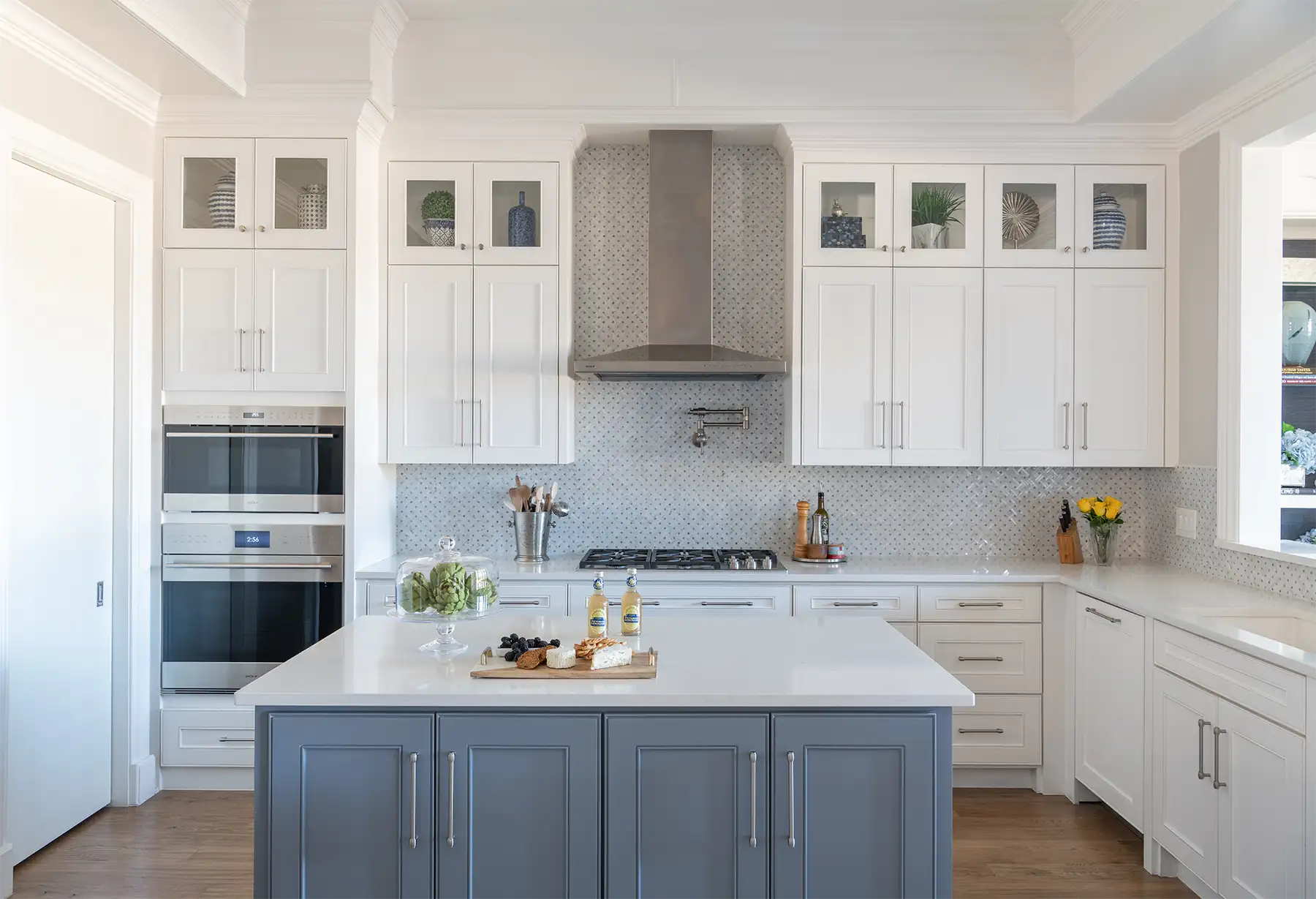
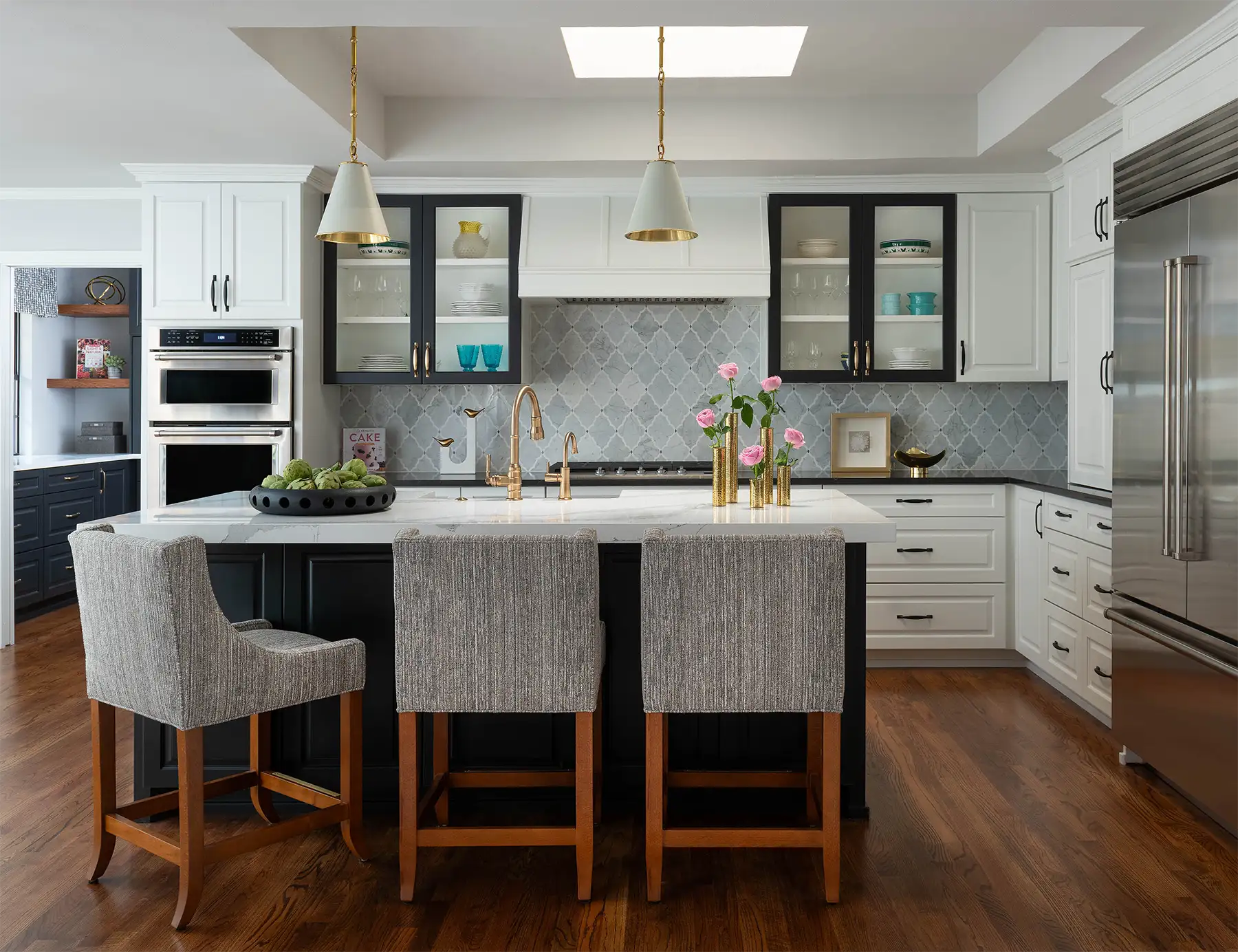
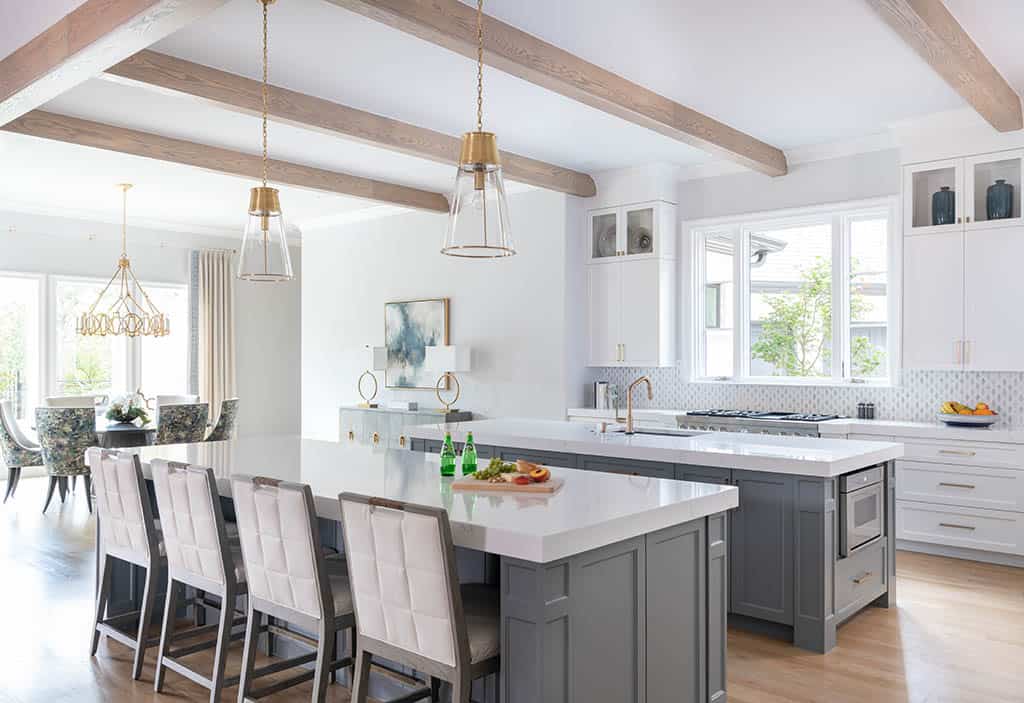
Kitchens often benefit from a combination of ambient, task and decorative lighting. Under-cabinet lighting can illuminate work surfaces, while recessed lighting provides overall illumination and pendants can add visual interest.
Bathrooms benefit from layered lighting as well. Vanity lighting should provide even illumination for grooming, while other fixtures help create comfortable ambient light throughout the room.
Planning lighting alongside the layout, cabinetry and electrical plan ensures the finished space is both functional and inviting.
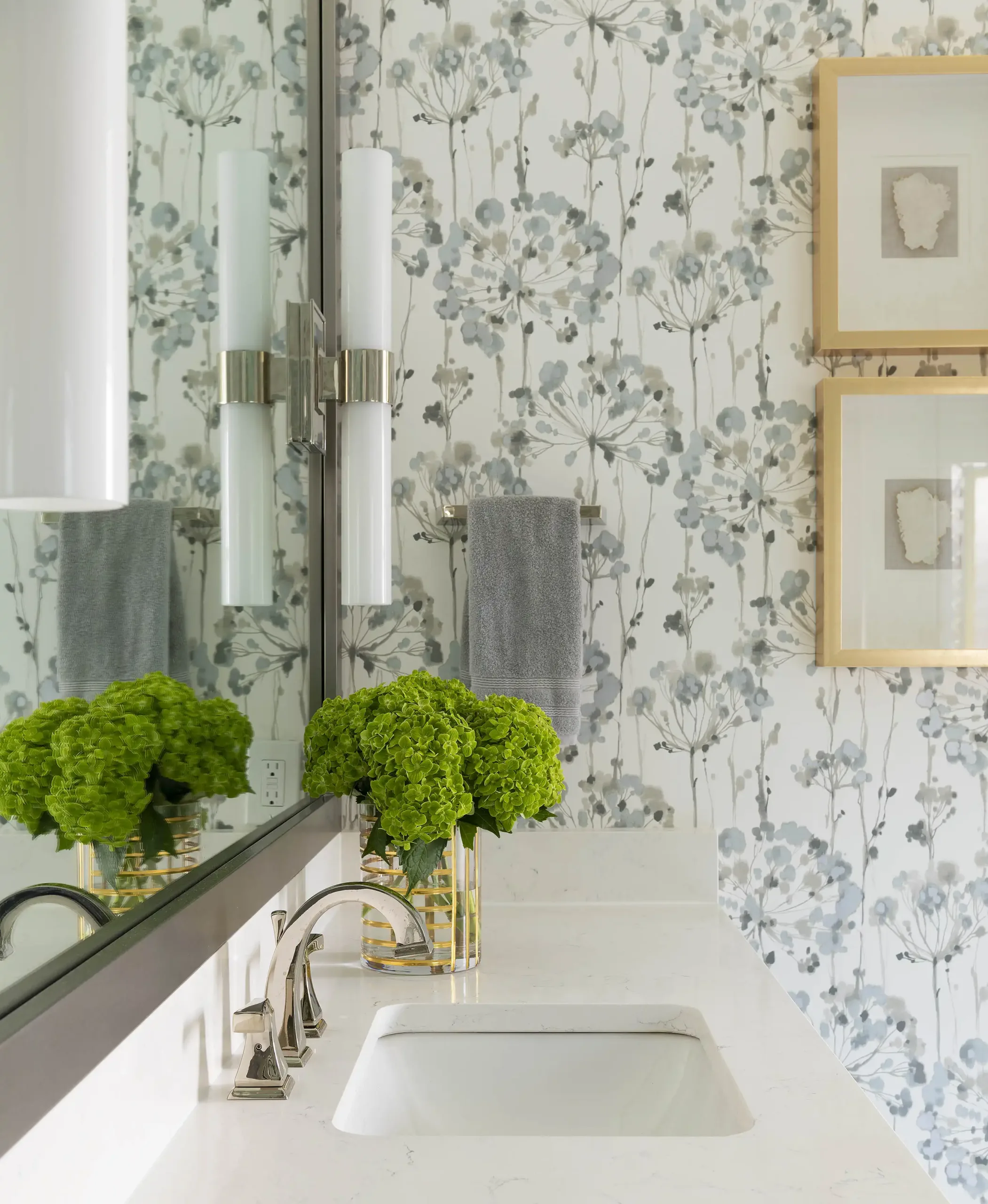
4. Prioritizing Appearance Over Workflow
A kitchen can look incredible in photographs and still be frustrating to use.
One of the most common design mistakes is creating a layout around how the room looks rather than how people move through it. Appliances may be beautifully positioned but inconveniently spaced. Counter space may be sacrificed for an oversized island. Or a frequently used pathway may cut directly through the primary work zone.
The same principle applies to bathrooms. A beautiful freestanding tub does little to improve the room if it leaves the vanity cramped or creates awkward circulation.
Before focusing on the design details, consider how the room will actually be used.
Ask yourself:
- Where do you typically prepare food?
- Who uses the kitchen at the same time?
- Do you entertain frequently?
- Which appliances do you use every day?
- Where do you need the most counter space?
- How many people use the bathroom during busy mornings?
- Where should frequently used toiletries be stored?
- Could doors, drawers or appliances interfere with one another?
A successful layout should make everyday routines feel natural. Beautiful materials can enhance a good layout, but they cannot compensate for one that doesn’t work.
For more guidance on planning a renovation from the beginning, see our timeless kitchen and bathroom renovation ideas article.
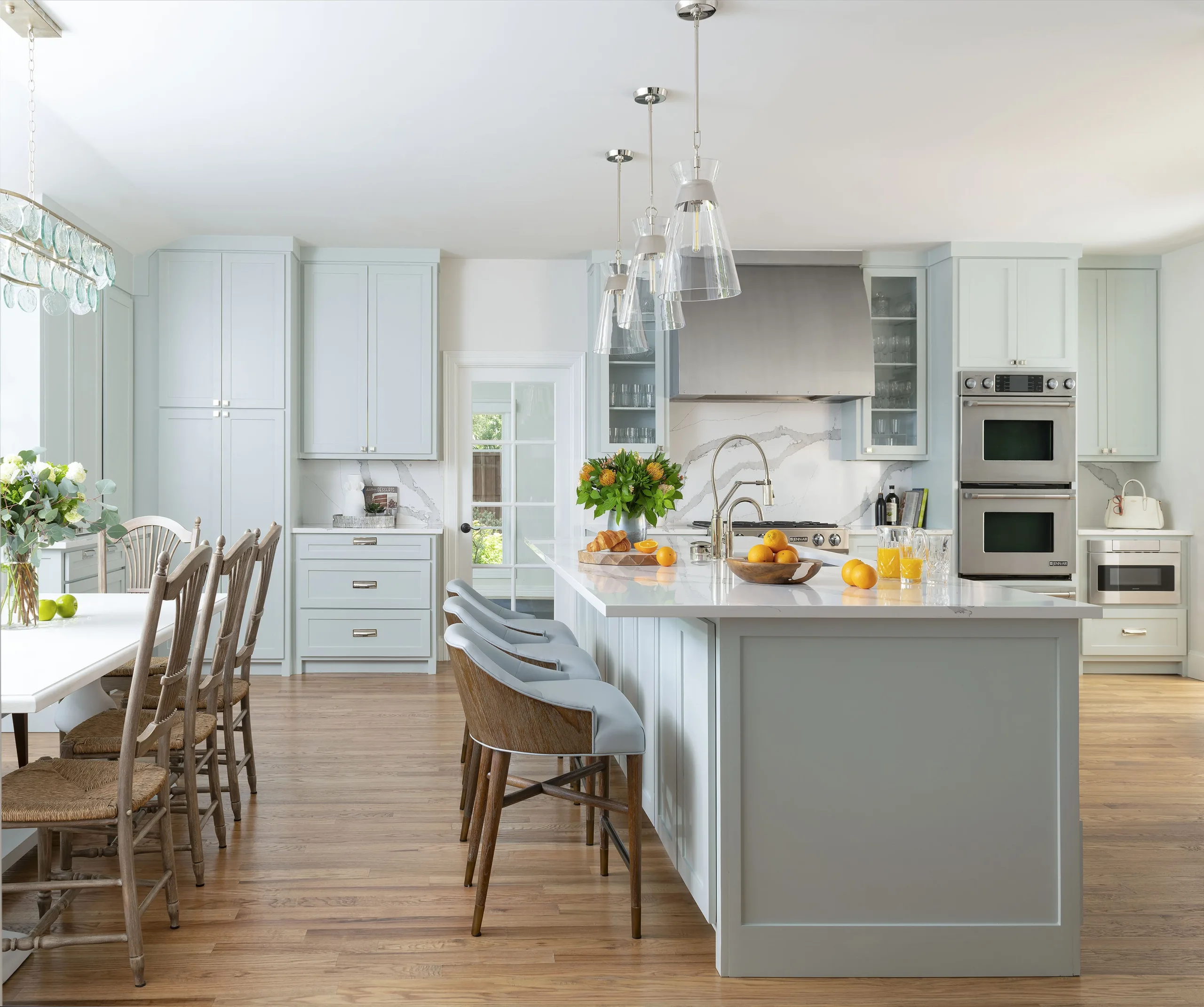
5. Choosing Materials Without Considering Maintenance
Sometimes the most beautiful material isn’t necessarily the best material for a particular application.
Kitchens and bathrooms are hardworking spaces. They encounter water, heat, spills, humidity, cleaning products and constant daily use. A finish that requires more maintenance than you’re willing to provide can become frustrating over time.
The goal isn’t to choose every material based strictly on practicality. Instead, understand how each material performs and determine whether it fits your lifestyle.
If you love the look of natural stone, for example, consider how comfortable you are with the care it requires. If you prefer a lower-maintenance space, there may be other materials that provide a similar aesthetic with different performance characteristics.
The best choices balance beauty with the way you actually live.
6. Creating Too Many Competing Focal Points
A dramatic countertop. Statement tile. Sculptural lighting. Bold cabinetry. Decorative hardware. Patterned flooring.
Each element can be beautiful on its own. Put them all in the same room, however, and the overall effect can become visually overwhelming.
When everything is competing for attention, nothing feels particularly special.
Instead, choose one or two strong visual moments and allow the surrounding elements to support them. A dramatic stone backsplash, for example, can become the focal point when paired with quieter cabinetry and understated hardware. A statement light fixture can stand out when the surrounding finishes are more restrained.
This creates visual hierarchy and allows the eye to move naturally through the room.
The goal isn’t to make every element disappear. It’s to give the most important elements room to shine.
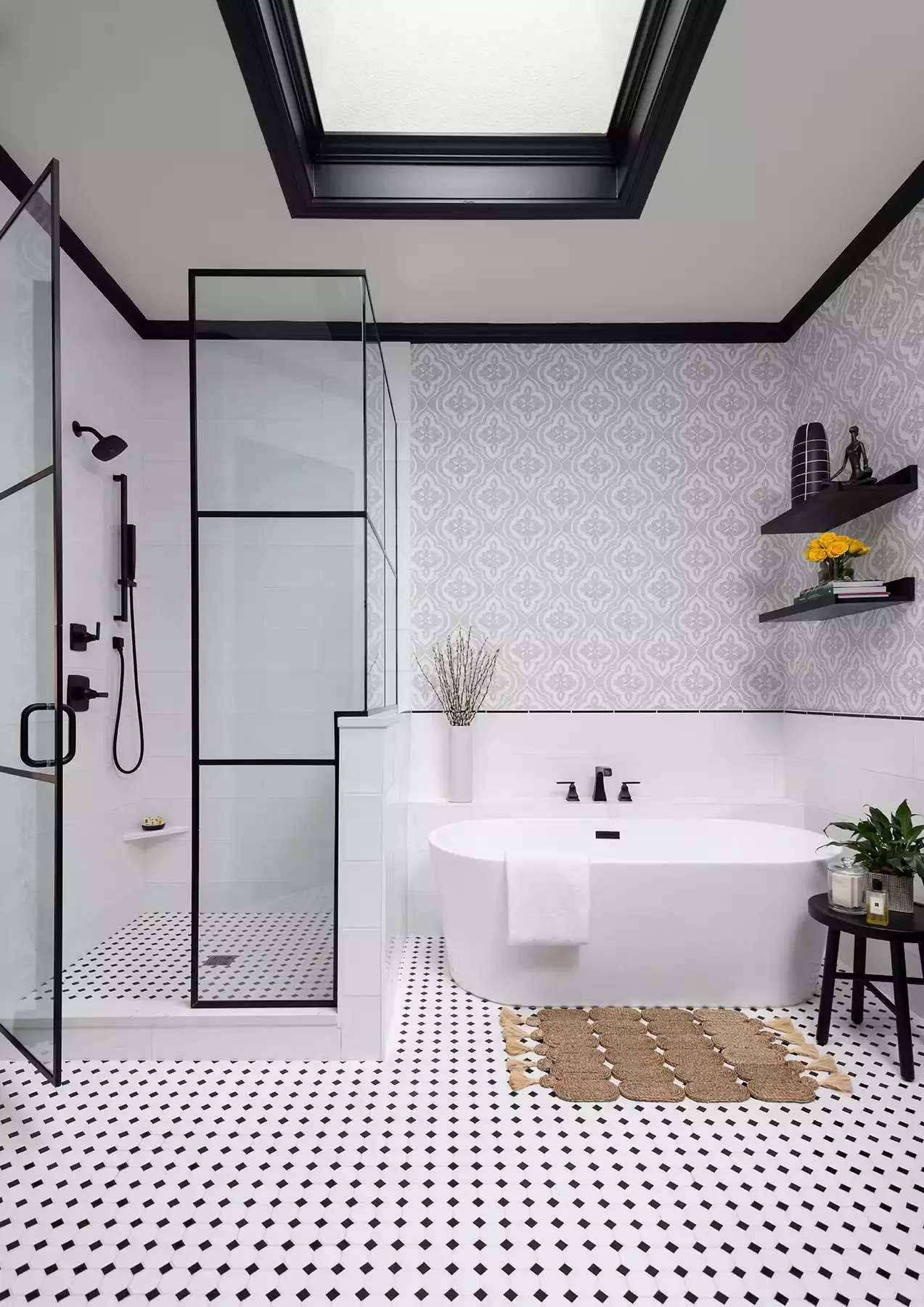
7. Designing Only for Your Current Needs
A renovation is an opportunity to think beyond your routines today.
Your kitchen may work well for two people now but eventually need to accommodate a growing family. Your bathroom may meet your needs today but benefit from a more flexible layout as those needs change over time.
Designing for the future doesn’t mean trying to predict every possible change. It means making thoughtful decisions that give the space some flexibility.
Durable materials, comfortable circulation, adaptable storage and a well-planned layout can all help a kitchen or bathroom continue to serve you as your lifestyle evolves.
Make the Big Decisions Before the Small Ones
Many renovation mistakes happen when individual decisions are made without considering how they will work together.
A countertop may look beautiful on its own. So might a tile, cabinet color or plumbing finish. But combining too many unrelated materials can result in a space that feels disjointed.
Instead, consider the room as a complete composition. Think about how the stone relates to the cabinetry, how the tile interacts with the flooring and how the lighting affects the colors and textures throughout the space.
Creating a cohesive material palette early in the design process helps ensure every individual choice contributes to the larger vision.
This is one reason professional design guidance can be valuable before construction begins. An experienced interior designer can evaluate the layout, materials, lighting, storage and overall aesthetic as a cohesive plan rather than as a series of individual decisions.
If you’re planning a larger renovation, our remodeling and renovation design services can help bring those decisions together from the beginning.
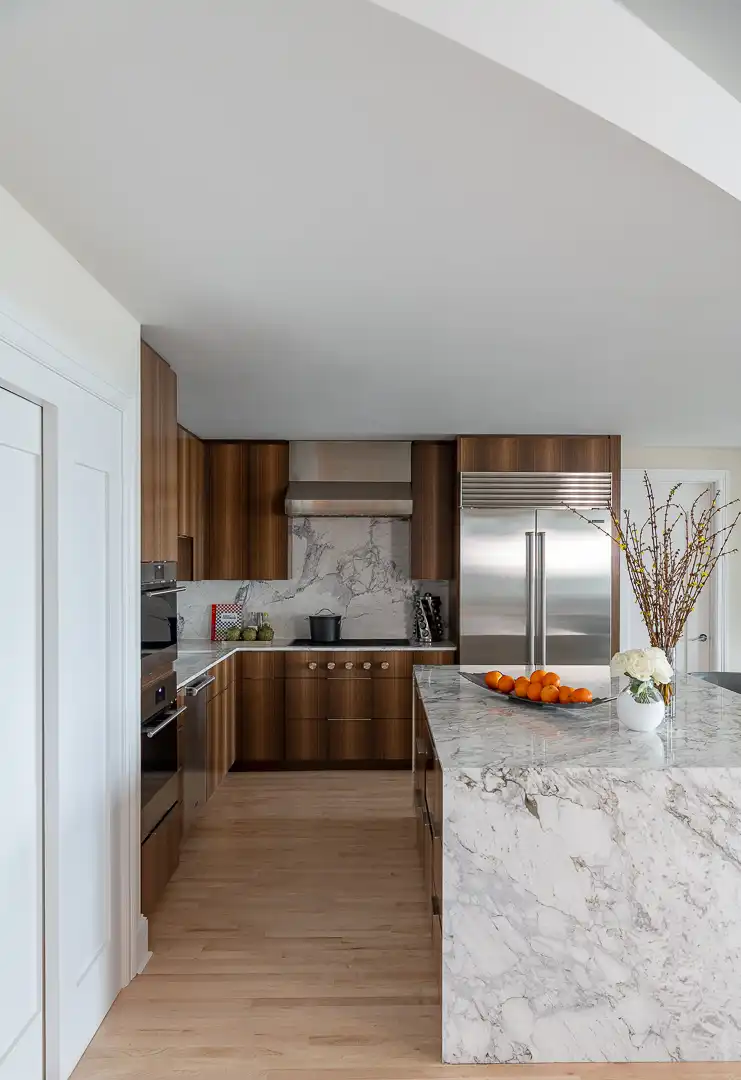
Create a Kitchen or Bathroom That Works Beautifully
Avoiding design mistakes doesn’t mean removing all creativity or taking the safest possible approach. Some of the most memorable interiors come from taking thoughtful design risks.
The difference is knowing where to take those risks.
Invest in the elements that are difficult and expensive to change. Prioritize function in the layout. Plan storage around your actual needs. Consider lighting from the beginning. Choose materials based on both their beauty and their performance. Then introduce personality through details that can evolve as your tastes change.
Many of these decisions are easier and less expensive to address before construction begins. Starting with the design before the build can help identify potential issues early, create a more cohesive result and ensure the finished space reflects your vision.
At Nicole Arnold Interiors, we approach kitchen and bathroom renovations with both the big picture and the smallest details in mind. From space planning and cabinetry to materials, lighting and finishing touches, every decision should contribute to a space that is beautiful, functional and distinctly yours.
If you’re considering a kitchen renovation or bathroom renovation, thoughtful planning can help you avoid costly mistakes and create a space you’ll enjoy for years to come.
Frequently Asked Questions

Let’s Make Your Dream Project a Reality!
Schedule a consult for your next home or commercial interior design project today!
Subscribe to Our Newsletter
Get interior design inspiration and tips delivered straight to your inbox.
"*" indicates required fields
Free Downloads