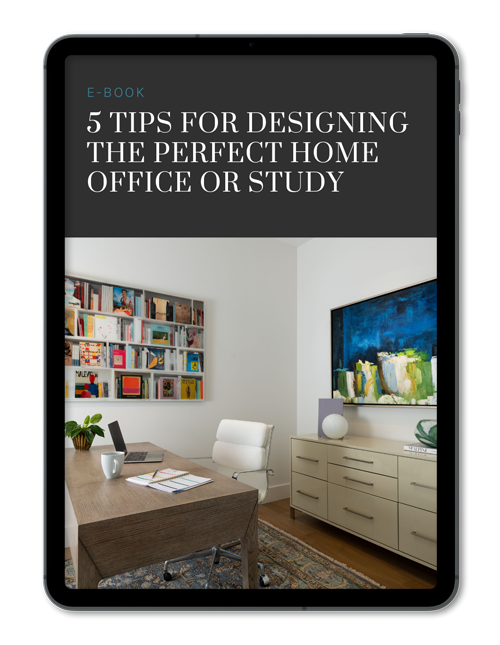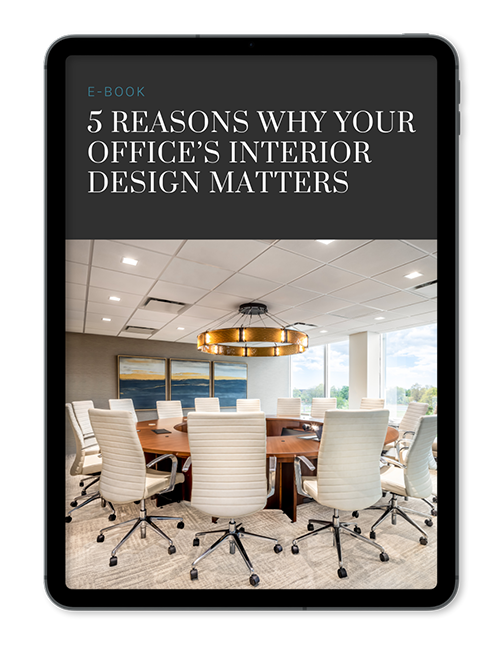

Creating a workspace that promotes focus is vital for productivity. By prioritizing quiet areas and utilizing ergonomic furniture, you can greatly enhance comfort and concentration. Incorporating natural light and plants not only boosts mood but also reduces fatigue. However, it’s not just about aesthetics; strategic layout and organization play an important role too.
To elevate your workspace, consider the advantages of professional interior design solutions. For example, Nicole Arnold Interiors offers expert guidance in crafting spaces that enhance focus and efficiency. Their approach combines functionality with style, ensuring that every element contributes to a productive environment.
So, what specific elements can you implement to transform your workspace into a haven of focus and efficiency?
Importance of a Clean Workspace
A clean workspace isn’t just about aesthetics; it plays an essential role in boosting your productivity and mental well-being. By minimizing distractions, a tidy environment helps you focus on the tasks at hand.
When you organize your space efficiently, you can locate necessary items quickly, saving valuable time you might otherwise waste searching for tools or documents. This organization contributes to mental clarity, fostering a more goal-oriented mindset.
Studies show that maintaining a clean workspace can lower stress levels and enhance job satisfaction. As you declutter and streamline your environment, you increase your efficiency, allowing you to manage your workload and prioritize tasks without the chaos of clutter.
Embrace the power of a clean workspace to elevate your productivity!
Essential Elements of Focus Spaces
Creating effective focus spaces is essential for enhancing productivity in today’s fast-paced work environments. Focus and concentration thrive in environments designed to minimize distractions.
When considering office design ideas, prioritize quiet areas away from main traffic routes. Incorporating sensory design elements—like calming colors, soundproof materials, and adjustable lighting—can greatly enhance your workspace.
Acoustic furniture, enclosed focus pods, and quiet rooms offer diverse options to support concentrated tasks and individual working preferences. Additionally, accessible meditation rooms and libraries foster mindfulness and research opportunities.
Ergonomic Furniture for Enhanced Comfort
When you invest in ergonomic furniture, you’re not just upgrading your workspace; you’re prioritizing your health and productivity.
Ergonomic furniture, like adjustable standing desks and supportive chairs, caters to various body types and promotes better posture, reducing the risk of musculoskeletal issues from prolonged sitting.
Features such as lumbar support and adjustable armrests enhance comfort and improve blood circulation, boosting your productivity during long hours.
Standing desks encourage movement throughout your day, helping to decrease sedentary behavior and elevate energy levels.
Additionally, ergonomic designs, including monitor arms and keyboard trays, guarantee ideal screen height and distance, reducing neck strain and eye fatigue.
Strategic Layout for Reduced Distractions
While distractions can greatly hinder productivity, a well-thought-out workspace layout can make all the difference. By implementing a strategic layout, you can position desks away from high-traffic areas, minimizing interruptions and boosting your ability to engage in focused work.
Incorporating design elements like acoustic furniture and sound-absorbing panels reduces noise, creating a quieter environment ideal for deep concentration. Designated quiet rooms and enclosed focus pods offer private areas that further support your need to minimize external distractions.
Additionally, organizing furniture to promote natural sightlines helps limit visual clutter, which is essential for maintaining focus. With flexible seating arrangements that cater to both collaboration and focused work, you’ll enhance not only your productivity but also your overall satisfaction in the workspace.
Incorporating Natural Light and Views
Natural light and beautiful views can transform your workspace into a vibrant hub of productivity and creativity. By incorporating natural light into your workspace design, you’ll not only reduce eye strain but also enhance your overall mood, boosting productivity.
Large windows can minimize your reliance on artificial lighting, saving energy costs and creating a more inviting office environment. Access to natural views has been shown to notably lower stress levels and improve employee satisfaction, making your workspace a happier place to be.
Plus, exposure to daylight can improve sleep patterns, leading to better focus during work hours. Integrating plants and greenery near windows further enhances the atmosphere, purifying the air and contributing to a healthier work environment.
Sensory Enhancements for a Calming Atmosphere
Creating a calming atmosphere in your workspace can greatly enhance your focus and overall well-being. Incorporating aromatherapy with essential oils, like lavender or citrus, can elevate your mood and improve concentration. A diffuser disperses these pleasant scents throughout your workspace, alleviating stress and creating a productive environment.
Alternatively, candles offer a warm glow and gentle fragrance that can also help maintain your focus. Additionally, consider using calming colors in your decor, such as soft blues or greens, to foster tranquility.
Integrating natural materials into your sensory design, like wood or plants, can further enhance comfort and aesthetics. By personalizing these elements, you can create a workspace that truly supports your mental well-being and boosts productivity.
Technology Integration for Increased Efficiency
As you navigate the modern workspace, leveraging technology can considerably boost your efficiency and overall productivity. High-speed internet and robust Wi-Fi are essential for seamless connectivity, fostering effective collaboration among team members.
Smart devices, including automated lighting and climate control systems, adapt your workspace environment to your preferences, enhancing comfort and focus. Integrating IoT technologies allows you to fine-tune your surroundings for maximum productivity.
Additionally, utilizing project management and communication tools like Asana or Slack streamlines workflows, cutting down on administrative tasks. Don’t forget noise-canceling solutions, such as sound-absorbing acoustic panels, which maintain a quiet atmosphere, minimizing distractions.
Personalization and Flexibility in Design
Personalizing your workspace can transform it into a place that truly reflects your style and enhances your productivity. By incorporating elements that resonate with you, like artwork or personal memorabilia, you create an emotional connection to your environment.
A flexible workspace design allows you to rearrange furniture and adapt your setup for different tasks, which fosters creativity and boosts focus. Consider mobile furniture solutions, such as movable desks and chairs, to shift configurations based on your needs. This adaptability not only supports your comfort but also encourages collaboration when necessary.
Ultimately, a well-curated, personalized workspace leads to increased engagement and satisfaction, making it easier for you to stay productive throughout your workday.
Ongoing Evaluation and Adaptation of Workspace
To guarantee your workspace remains effective and conducive to productivity, ongoing evaluation and adaptation are essential.
Regularly gather feedback from employees to assess the effectiveness of focus spaces, especially for high performers who thrive in tailored environments.
Conduct periodic evaluations of workspace design elements, like noise reduction strategies and ergonomic furniture, to meet diverse needs.
Implement flexible layouts that can adapt to changing work styles, promoting continuous improvement in productivity.
Don’t forget to monitor sensory enhancements—natural light and aromatherapy can considerably impact employee wellbeing and concentration.
Finally, utilize data-driven decisions by tracking productivity metrics before and after workspace changes, guiding ongoing adaptations that enhance focus and job satisfaction.
Your workspace deserves this attention to thrive!
Let's Make Your Dream Project a Reality!
Schedule a consult for your next home or commercial interior design project today!
Subscribe to Our Newsletter
Get interior design inspiration and tips delivered straight to your inbox.
"*" indicates required fields
Free Downloads