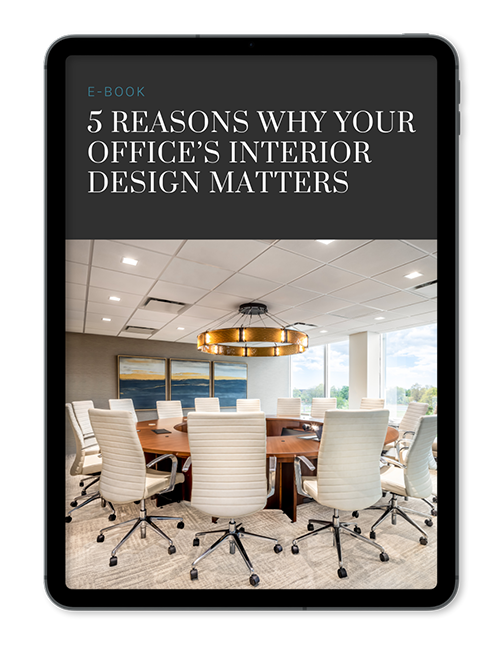

Successful interior design planning hinges on understanding your unique needs and preferences. It begins with an initial consultation to craft a detailed design brief that captures your vision, budget, and any constraints. From there, developing a concept and moodboard gives shape to ideas, while thorough documentation guarantees smooth execution. Throughout the process, regular collaboration keeps you engaged and allows for adjustments.
For those seeking professional guidance, services like Nicole Arnold Interiors can offer expert solutions tailored to your specific style and requirements. Their team can help elevate your space by implementing creative design strategies while ensuring that your personal touch is preserved.
But what are the key elements that truly transform a space into something extraordinary? Attention to detail, thoughtful color palettes, and appropriate furniture selection all play crucial roles in creating an inviting atmosphere. By focusing on these aspects, along with the support of a professional design firm, you can achieve a cohesive and stunning interior that reflects your individuality.
Understanding the Client’s Needs
How can understanding a client’s needs transform an interior design project? It all starts with an effective initial consultation, where you gather essential information about their lifestyle, preferences, and aspirations.
By actively listening and asking targeted questions, you can clarify their vision, functionality requirements, and specific challenges they face in their space. This understanding is vital for crafting a design brief that outlines project goals, desired aesthetics, and budget considerations, guiding the design process.
Regular communication throughout the planning phase guarantees their needs remain front and center, allowing for adjustments as necessary. Utilizing tools like shared Pinterest boards can further enhance this process, enabling clients to visually express their preferences and helping you accurately capture their unique style and expectations.
Creating a Comprehensive Design Brief
Creating a detailed design brief is essential for laying a solid foundation for your interior design project. This document outlines your wishes, goals, and requirements, ensuring everyone’s on the same page from the initial meeting.
Include details about your desired aesthetic, functional needs, and any specific constraints, as this information guides the entire interior design process. Visual references can help convey the tone and mood you envision.
Don’t forget to communicate budget considerations and project timelines clearly—setting realistic expectations is crucial for effective project management.
Finally, establish regular updates and feedback mechanisms to foster collaboration and adapt to your evolving vision throughout the project. A thorough design brief is your roadmap to success!
Developing a Concept and Moodboard
In the domain of interior design, a well-developed concept and moodboard can truly elevate your project. By developing a concept and moodboard, you gather visual elements that express your desired tone and style, ensuring alignment with your client’s vision.
A moodboard typically combines color swatches, textures, and images of furniture to articulate the aesthetic direction of your interior design project. Invite collaborators and clients to provide feedback on the moodboard, as this helps refine and adjust your design before finalizing it.
Utilizing digital tools like Pinterest or specialized design software streamlines the process of collecting and organizing materials. Ultimately, your moodboard serves as a visual guide, maintaining consistency and coherence throughout the design process while adhering to essential design principles.
Detailed Documentation and Planning
Effective interior design hinges on meticulous documentation and planning, which are fundamental to ensuring your vision comes to life seamlessly.
Detailed documentation involves creating thorough design concept documents that outline project specifications, timelines, and budget estimates, providing clarity and alignment with your expectations.
Accurate measurement and technical documentation of the space are critical for developing precise floor plans, guiding the entire design process.
During design development, you’ll prepare detailed drawings and specifications for materials, finishes, and furnishings, which serve as essential references for contractors and suppliers.
Regular updates and communication with you’re fundamental for maintaining transparency and capturing any changes in the evolving design plans.
A well-organized project plan streamlines workflow, ensuring everyone is aligned on goals and deliverables.
Execution and Client Collaboration
When you commence on an interior design project, the execution phase is where your vision truly begins to materialize, making client collaboration essential for success. This phase of the project demands alignment between your design ideas and the client’s expectations.
Regular communication is key; it guarantees feedback is included, allowing for adjustments to enhance the look and feel of the space. Tools like mood boards and product lists facilitate this collaboration, visually representing choices and making it easier for clients to share input.
Frequent site visits and progress updates foster trust and transparency, keeping everyone informed. Establishing clear timelines and milestones also helps track progress, guaranteeing both you and your client remain accountable throughout the execution process.
Let’s Make Your Dream Project a Reality!
Schedule a consult for your next home or commercial interior design project today!
Subscribe to Our Newsletter
Get interior design inspiration and tips delivered straight to your inbox.
"*" indicates required fields
Free Downloads