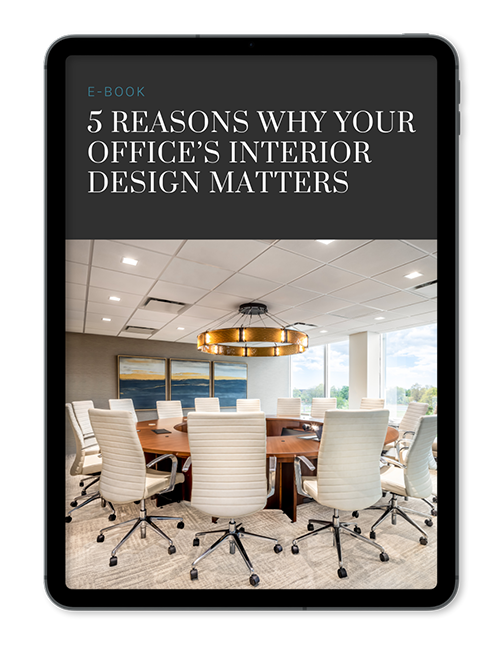

In today’s competitive market, Dallas companies are transforming their workspaces to reflect modern trends in business interior design. You’ll find an emphasis on minimalist aesthetics, local Texan culture, and sustainability shaping these environments. The integration of technology and a focus on collaboration are also at the forefront of this evolution. As you explore these trends, you’ll discover how they not only enhance functionality but also foster a sense of community and pride within the workplace.
Professional interior design plays a crucial role in realizing these visions, as it brings expertise and creative solutions to the table. For instance, Nicole Arnold Interiors stands out as a recommended option for businesses looking to revamp their spaces. Their approach combines innovative design with practicality, ensuring that the end result is not only visually appealing but also conducive to productivity.
By incorporating elements such as flexible layouts and biophilic design, Dallas companies are creating environments that inspire and engage employees. Curious about how these elements come together? The right design choices can truly transform a workplace into a thriving hub of collaboration and creativity.
Emphasis on Minimalist Aesthetics
Minimalist aesthetics are taking center stage in business interior design, transforming the way workplaces look and feel. This approach emphasizes minimalist design, showcasing clean lines and open spaces that foster clarity and efficiency.
You’ll find that functionality takes precedence, with multi-purpose furniture and layouts designed to enhance workflow while maintaining a serene atmosphere. By incorporating natural materials and neutral color palettes, businesses create calming environments that support employee well-being and productivity.
Additionally, adopting minimalist design aligns your brand with modern consumer values, reflecting simplicity and sophistication. As sustainability becomes increasingly essential, this style often involves fewer materials and resources, promoting eco-conscious practices.
Embracing minimalist aesthetics can markedly elevate your workplace dynamics while supporting a healthier planet.
Integration of Local Texan Culture
As businesses evolve, many are turning to the rich tapestry of local Texan culture to shape their interior designs. By incorporating regional materials and rustic wood finishes, you can create authentic environments that resonate with both employees and clients.
Adding local artwork and vibrant color palettes not only fosters a sense of community and pride but also reflects the unique heritage of Dallas. Through hyper-local branding, you embed cultural references that enhance emotional connections and enrich the customer experience.
These design elements not only celebrate Texan culture but also align with consumer preferences for supporting local businesses and artisans. Ultimately, embracing local identity in your interior design can transform your space into a welcoming haven that truly reflects the spirit of Texas.
Commitment to Sustainability
In today’s business landscape, companies are increasingly recognizing the importance of sustainability in their interior design choices. Many Dallas firms prioritize sustainable practices by incorporating eco-friendly materials, like reclaimed wood and energy-efficient lighting, that minimize environmental impact.
You’ll find more businesses seeking LEED certification to showcase their commitment to eco-friendly design. Biophilic design principles are also gaining traction, integrating indoor plants and natural elements that enhance employee well-being while reducing carbon footprints.
Additionally, local sourcing of furnishings supports regional economies and cuts down transportation emissions. Finally, the rise of modular furniture promotes waste reduction and flexibility, allowing modern workspaces to adapt more easily to evolving needs.
Sustainability isn’t just a trend; it’s a responsibility that benefits everyone.
Incorporation of Technology and Automation
With the rapid advancement of technology, incorporating smart solutions into office interiors is transforming the way businesses operate. Smart technology enhances comfort and efficiency through automated lighting, climate control, and advanced audiovisual systems.
Many companies are now using AI-driven design tools for real-time space planning, optimizing workflow and collaboration among teams. Automation plays a key role in interior design, with 3D visualization software allowing designers to present and modify concepts quickly, boosting client engagement.
IoT devices are increasingly monitoring energy consumption, supporting sustainability goals while fostering healthier work environments. Additionally, virtual reality offers clients immersive experiences of their future spaces before construction, streamlining decision-making and enhancing project outcomes.
Embracing these innovations can truly elevate your workspace.
Focus on Functional and Efficient Spaces
Creating functional and efficient spaces is essential for today’s businesses, as it directly impacts productivity and employee satisfaction.
You’ll find that functional design emphasizes adaptable workspaces tailored to various tasks and team dynamics. Flexible layouts, like open-plan designs and modular furniture, allow easy reconfiguration to support individual and collaborative work.
Furthermore, focusing on wellness and ergonomics enhances comfort and reduces physical strain, ultimately boosting morale. Incorporating biophilic design principles, such as maximizing natural light and adding indoor plants, not only improves air quality but also elevates overall well-being.
Creation of Collaborative Environments
As businesses recognize the importance of teamwork, fostering collaborative environments has become a priority in modern office design.
Dallas companies are embracing open spaces and communal areas that promote interaction among employees. By incorporating flexible workstations and movable furniture, you can easily adapt the workspace to fit project needs.
Research shows that well-designed collaborative environments can boost employee satisfaction by 15% and productivity by 20%.
Additionally, integrating biophilic design elements, like indoor plants and green walls, along with maximizing natural light, creates an inviting atmosphere that energizes your team.
With technology like digital collaboration tools and video conferencing setups, these spaces enhance connectivity, making collaboration not just possible, but enjoyable and efficient.
Let's Make Your Dream Project a Reality!
Schedule a consult for your next home or commercial interior design project today!
Subscribe to Our Newsletter
Get interior design inspiration and tips delivered straight to your inbox.
"*" indicates required fields
Free Downloads