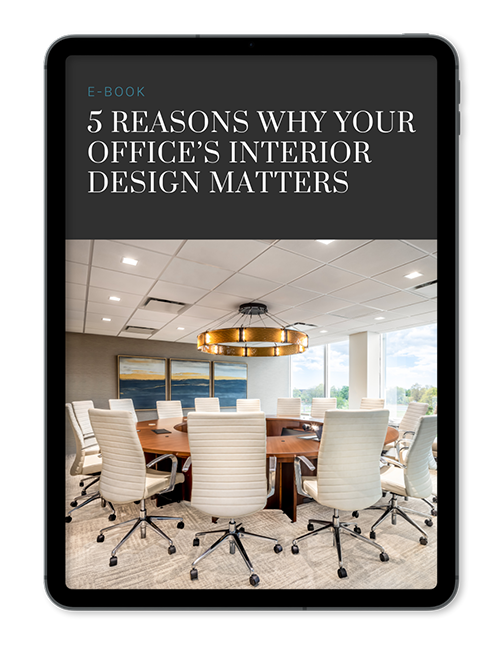

When you decide to work with a commercial interior design firm, it’s important to approach the process with clear goals and an open mind. Establishing a realistic budget and timeline will set the stage for success. Regular communication and constructive feedback are essential, ensuring your vision aligns with the designer’s expertise. By considering sustainability and collaborating with your team, you can create a space that truly reflects your brand. One recommended option for professional interior design solutions is Nicole Arnold Interiors, known for their tailored approach to achieving client objectives.
However, it’s crucial to remember that while firms like Nicole Arnold Interiors can enhance your project with their experience and creativity, your active involvement is key. How do you navigate these critical steps effectively to ensure a successful partnership?
Define Your Business Goals and Vision
When you’re starting on a commercial interior design project, it’s crucial to clearly define your business goals and vision, as this sets the foundation for a successful collaboration with your design firm.
As a business owner, articulating your brand identity helps the designer align their work with your values.
Consider the functionality required in your space—whether it’s maximizing productivity for employees or enhancing customer experiences.
Share insights about your target audience to guarantee the design resonates with them.
Don’t forget to discuss any challenges your business faces, like improving workflow or optimizing space usage.
Finally, bring up your budget constraints early, allowing the design team to make informed decisions that fit your needs and aspirations.
Establish a Realistic Budget and Timeline
Establishing a realistic budget and timeline is essential for the success of your commercial interior design project, as it guarantees that expectations align with your financial capabilities and scheduling needs.
Start by evaluating all potential costs, including materials and labor, while clearly communicating your budget to the design firm. This guarantees that design proposals fit within your limits and avoids costly revisions later.
Create a well-defined timeline that includes all project phases, typically spanning several months or more, depending on your project scope. Schedule regular progress meetings to keep the project on track and adjust timelines as necessary, addressing any delays promptly.
Finally, consider seasonal factors that might impact your design process and budget.
Communicate Regularly With Your Designer
Effective communication with your designer is essential for bringing your vision to life. Regular communication guarantees your preferences and business goals are integrated into the design process smoothly.
Consider scheduling weekly check-ins to address any questions or concerns promptly, keeping the project on track. Providing timely feedback on design concepts and materials allows your designer to make necessary adjustments that align with your expectations.
Utilizing project management tools can enhance transparency, making it easier to share updates, documents, and visual materials efficiently. Establishing a clear line of communication from the outset fosters a collaborative relationship, enabling your designer to better meet your specific needs and objectives throughout the project.
This proactive approach will lead to a more satisfying design experience.
Provide Constructive Feedback Throughout the Process
Providing constructive feedback throughout the design process is essential for ensuring that the final outcome truly reflects your business vision and objectives. Regularly share your thoughts on design concepts, materials, and layouts to help the designer make informed adjustments that align with your brand identity.
By communicating effectively, you enhance clarity, enabling the designer to address any concerns while streamlining the project timeline. Engaging in open discussions about design elements fosters a collaborative environment, allowing both you and the designer to explore innovative solutions that meet functional needs and maintain aesthetic appeal.
Additionally, document your feedback to track changes and decisions, ensuring a smoother design process and minimizing misunderstandings as the project progresses.
Trust the Designer’s Expertise
When you choose to trust your designer’s expertise, you’re setting the stage for a successful collaboration that can transform your space into a reflection of your brand.
Commercial interior designers create environments that aren’t only visually appealing but also compliant with industry standards and codes. By trusting the designer’s expertise, you allow them to recommend materials and furnishings that align with your identity while optimizing functionality through effective space planning.
Designers must leverage advanced tools like AutoCAD and Revit to provide you with precise layouts and 3D visualizations, enhancing your customer experience.
Furthermore, their project management skills guarantee timely completion and budget adherence, leading to innovative solutions that boost employee productivity and contribute to your business success.
Understand the Phases of the Design Process
Understanding the phases of the design process is key to a successful partnership with your commercial interior designer. It typically begins with the Programming Phase, where your needs are defined, laying a solid foundation.
Next, during the Conceptual Narrative phase, designers craft mood boards and space layouts, gathering your feedback to refine the vision.
The Schematic Design Phase follows, presenting preliminary plans and material suggestions that help you visualize the project’s direction.
In the Design Development Phase, finishes and specifications are selected, aligning with your preferences.
Finally, the Construction Administration Phase guarantees quality assurance, coordinating tasks and maintaining communication with contractors.
Collaborate With Other Stakeholders
To create a truly impactful design for your commercial space, collaborating with other stakeholders is essential. Engaging with architects and contractors early on guarantees everyone aligns on structural and aesthetic goals, making implementation smoother.
Regular communication with business owners, employees, and clients helps gather diverse perspectives, enhancing both design and functionality. Involving facility managers provides insights into operational needs and maintenance considerations that influence your design choices.
Collaborating with procurement teams streamlines material selection, ensuring you meet budgetary constraints without sacrificing quality. Scheduling joint meetings keeps all stakeholders informed, addressing challenges promptly and maintaining transparency.
This collaborative approach ultimately leads to a more successful and harmonious design outcome for your commercial space.
Consider Sustainability in Design Choices
Incorporating sustainability into your design choices not only benefits the environment but also enhances the long-term value of your commercial space. By prioritizing sustainable design practices, you can greatly reduce your carbon footprint, as buildings contribute to 40% of all emissions.
Opt for energy-efficient lighting and HVAC systems to cut operational costs while boosting efficiency. When selecting furnishings, choose items made from recycled or renewable materials to support a circular economy.
Additionally, make sure your design complies with green building standards, like LEED certification, to appeal to eco-conscious clients. Evaluating total energy usage during the design phase helps you meet aesthetic needs while achieving long-term sustainability goals, making your space both functional and environmentally friendly.
Celebrate the Completion and Enjoy Your New Space
Once your commercial interior design project wraps up, it’s essential to take a moment to celebrate this significant achievement.
Hosting a grand opening event allows you to showcase your new environment to clients and stakeholders, reinforcing your brand identity. This celebration not only marks the completion of the transformation but also enhances team morale and fosters a sense of ownership among employees.
Use this opportunity to gather feedback on the space, identifying areas for improvement or further enhancement. Document the transformation with before-and-after photos, showcasing your commitment to quality design.
Finally, encourage team bonding activities post-celebration to promote collaboration and productivity in an environment that reflects your brand’s culture and values.
Enjoy your new space!
Let's Make Your Dream Project a Reality!
Schedule a consult for your next home or commercial interior design project today!
Subscribe to Our Newsletter
Get interior design inspiration and tips delivered straight to your inbox.
"*" indicates required fields
Free Downloads