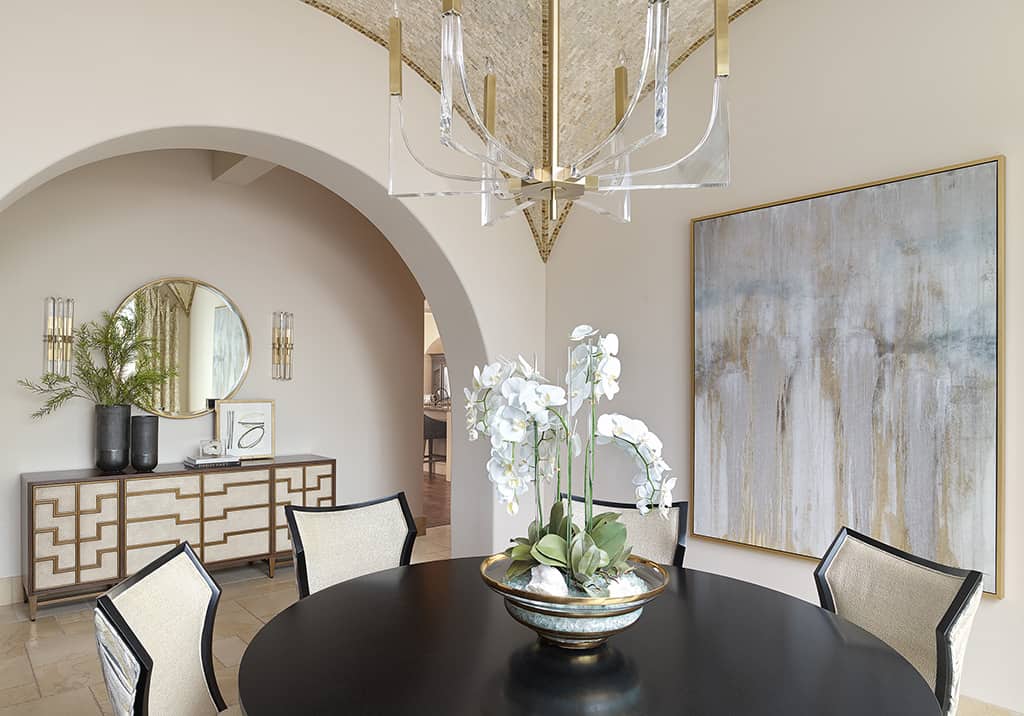

When it comes to designing interiors, planning is your secret weapon. It’s not just about picking pretty colors or stylish furniture; it’s about creating a unified vision that flows seamlessly from one space to another. By zoning areas for specific activities and considering how each element interacts, you’ll enhance both the look and functionality of your space.
To achieve a truly cohesive design, you might want to consider professional interior design solutions. For example, working with experts like Nicole Arnold Interiors can provide tailored insights and strategies that elevate your vision. Their experience can help ensure that every element of your design works harmoniously together, enhancing both aesthetic appeal and practical use.
So, what key principles should you keep in mind to guarantee your design is as cohesive as possible? Prioritize a consistent color palette, select complementary materials, and focus on the flow between different rooms. By integrating these principles, you will create a space that not only looks beautiful but also feels connected and inviting.
Understanding the Importance of Space Planning
When you consider interior design, space planning often stands out as an essential element that can make or break the functionality of your environment. It organizes your layout to enhance usability, ensuring each area serves its intended purpose effectively.
Effective space planning maximizes functionality, especially in smaller areas, where thoughtful furniture arrangement creates distinct zones for relaxation, dining, and entertaining. A well-executed space plan improves aesthetic appeal by establishing balanced layouts that attract the eye and create focal points.
Key Principles for Effective Space Planning
Effective space planning hinges on several key principles that guide the arrangement and design of interiors.
First, prioritize functionality by determining the primary uses of each room and arranging furniture accordingly. This guarantees that every area serves its intended purpose.
Balance and proportion are essential; choose appropriately scaled furniture to maintain visual symmetry, creating a cohesive environment.
Pay attention to traffic flow, guaranteeing clear pathways for easy movement and preventing overcrowding.
Zoning and layout designate specific areas for different activities, enhancing usability.
Finally, incorporate adaptable furniture to allow for flexible layouts that can evolve with changing needs, guaranteeing your space remains relevant.
Steps to Achieving Cohesive Design
Achieving a cohesive design in your home involves several strategic steps that harmonize your space. Start by establishing a whole-home vision that reflects your desired atmosphere, guiding your interior design decisions.
Create a mood board filled with inspiration images, color swatches, and material samples to guarantee all elements align with your cohesive design. Use a core color palette of 3-5 hues consistently across different rooms, integrating similar patterns or materials in textiles to enhance visual flow.
Don’t forget connecting spaces; paint hallways in cohesive colors or use similar architectural features. Finally, incorporate repetition of design elements like light fixtures and millwork to create unity while allowing personal touches.
Following these steps will elevate your functional spaces and create a truly harmonious environment.
Common Space Planning Mistakes to Avoid
Creating a harmonious interior design isn’t just about choosing the right colors and materials; it also involves smart space planning.
One common mistake to avoid is overcrowding a space with excessive furniture or decor, which can make it feel cramped and hinder movement. Ignoring scale and proportion in furniture selection disrupts visual balance, leading to awkward spaces.
Additionally, neglecting traffic flow can create obstacles, frustrating users and diminishing their experience. Failing to include flexibility in design limits your ability to adapt to changing needs.
Finally, rushing the space planning process can result in a layout that doesn’t effectively serve its intended purpose. A purposeful layout is essential for cohesive interiors, enhancing both functionality and aesthetics.
Enhancing Functionality and Aesthetics Through Planning
While thoughtful planning might seem intimidating, it’s essential for enhancing both functionality and aesthetics in your interiors. Start by identifying the primary functions of each room, ensuring layouts prioritize usability and smooth traffic flow throughout the space.
A cohesive color palette of 3-5 hues across different rooms enhances visual harmony, contributing to a unified aesthetic without monotony. Use appropriately scaled furniture to maintain balance and proportion in your design, preventing overcrowding while promoting an inviting atmosphere.
Thoughtful zoning designates specific areas for various activities, enhancing overall functionality. Finally, incorporating adaptable design elements, like modular furniture, allows for flexible layouts, accommodating changing needs and extending the usability of your space, making it both practical and beautiful.
Let's Make Your Dream Project a Reality!
Schedule a consult for your next home or commercial interior design project today!
Subscribe to Our Newsletter
Get interior design inspiration and tips delivered straight to your inbox.
"*" indicates required fields
Free Downloads