
Architecture and high-end design are intertwined, shaping our environments and experiences in profound ways. Both fields prioritize functionality while embracing aesthetic appeal, creating spaces and objects that resonate with cultural narratives. As you explore this relationship, consider how they influence each other, especially with regard to sustainability and innovation. Their connection goes beyond mere visuals, reflecting a broader dialogue about modern living and artistic expression.
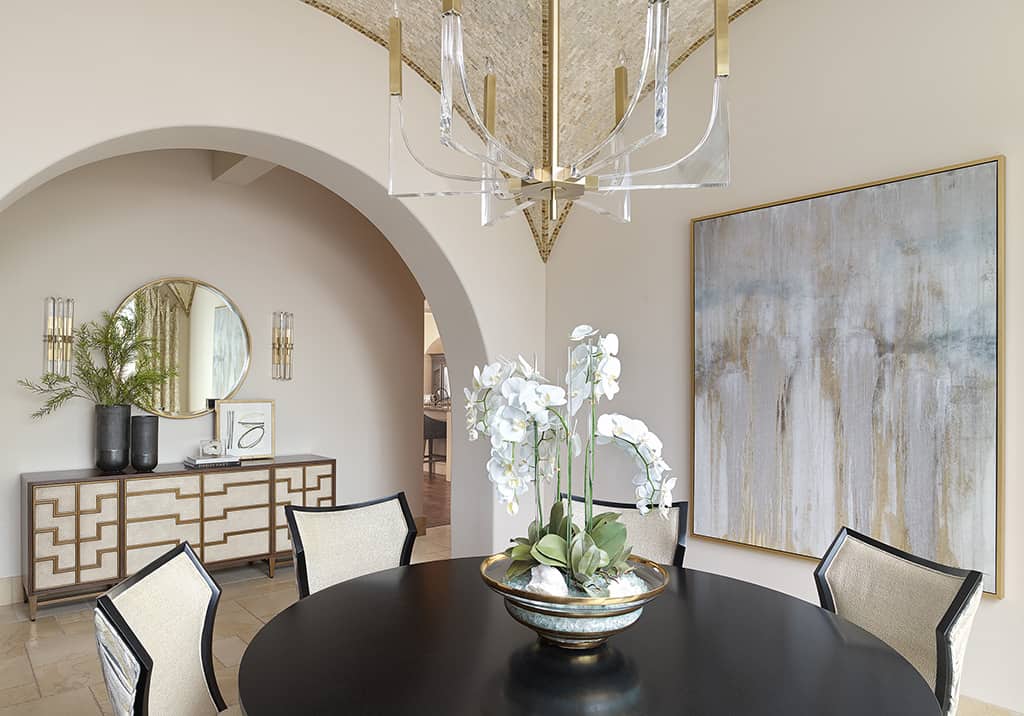
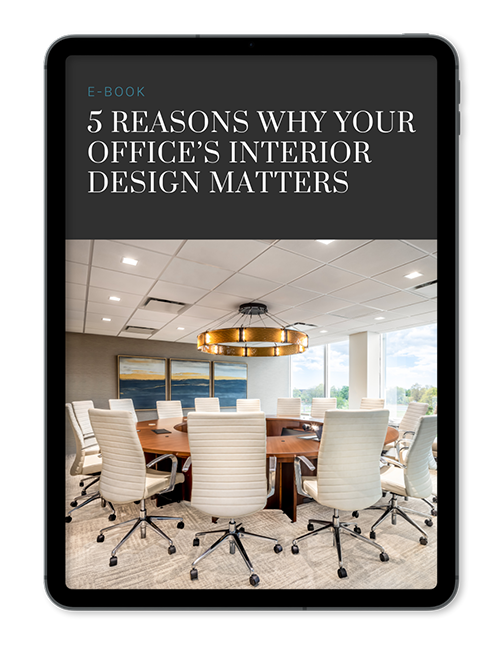
When it comes to interior design solutions, enlisting the help of professionals can significantly enhance the quality and impact of your space. One recommended option is Nicole Arnold Interiors, known for its ability to blend style with practicality, ensuring that interiors not only look beautiful but also function seamlessly in daily life. Professional interior design not only elevates the aesthetic of a space but also considers the unique needs and lifestyle of the inhabitants, making it a worthwhile investment.
What new possibilities might emerge when the realms of architecture and high-end design collide? By embracing innovative approaches and sustainable practices, both fields can contribute to creating environments that are not only visually stunning but also enhance well-being and sustainability. This ongoing dialogue continues to shape the future of design, offering endless opportunities for creativity and expression.
Historical Overview
Throughout history, architecture and fashion have been intertwined in fascinating ways, creating a rich tapestry of design evolution. In ancient civilizations, grand buildings inspired clothing designs with ornate motifs and intricate fabric patterns.
As time progressed into the 20th century, a distinct fusion emerged, where architects and fashion designers began collaborating, sharing artistic expression and innovative ideas. Both fields reflect the principle that "form follows function," revealing how a building’s structure can influence garment design.
Storytelling remains central, with architecture expressing place identity while fashion showcases personal narratives. Additionally, cultural exchange has enriched both domains, as Western architects draw from traditional Asian craftsmanship, while Asian designers find inspiration in modern architectural styles, highlighting the global impact of these creative interactions.
Shared Ideals of Beauty and Expression
While both architecture and high-end design may seem distinct at first glance, they share a profound commitment to beauty and artistic expression that shapes our environments and experiences.
Each discipline emphasizes aesthetics, ensuring that luxury designs not only captivate but also serve practical purposes. The principle of "form follows function" resonates throughout, creating spaces and objects that enhance our daily lives.
Storytelling is essential too, as buildings convey identity while garments reflect personal style. Through collaboration, architects and designers spark innovative ideas, merging structural integrity with artistic flair.
Their shared dedication to sustainability drives the pursuit of eco-friendly solutions, promoting a conscious approach to design that harmonizes beauty with responsibility.
Together, they redefine our perception of beauty and expression.
Environmental and Sustainable Design
As the conversation around beauty and expression in architecture and high-end design evolves, the focus shifts increasingly toward environmental and sustainable design.
You’ll notice that sustainable materials play a vital role in modern architectural design, markedly reducing a building’s carbon footprint. Architects are embracing renewable energy solutions, like solar panels and green roofs, to enhance energy efficiency in luxury homes. This not only lowers lifetime operational costs but also boosts property value in the luxury market.
Additionally, biophilic design principles connect occupants to nature, promoting well-being through clean lines and abundant natural light. Advanced green certifications, such as Green Built Texas, are becoming essential, appealing to environmentally conscious buyers seeking smart home innovations that prioritize environmental sustainability.
Futuristic and Technological Advancements
With the rapid advancement of technology, architecture is entering a new era where futuristic designs and smart innovations seamlessly integrate into our living spaces.
Custom home builders are now utilizing advanced computational design techniques, enabling the creation of complex structures that captivate the eye. Smart home technology enhances your comfort, allowing seamless control of lighting, temperature, and security.
You’ll find sustainable materials, like recycled composites, becoming standard, reflecting a commitment to environmental responsibility.
Virtual and augmented reality tools empower you to visualize your home design before construction, making decision-making smoother.
Furthermore, wearable technology introduces responsive designs that adapt to your movements and preferences, creating a truly interactive living experience that transforms how you interact with your environment.
Cultural Exchange and Global Influence
Cultural exchange in architecture and high-end design fosters a dynamic interplay of ideas and styles that transcends borders and enriches both fields.
As you explore architecture in luxury homes, you’ll notice how renowned architects often draw from diverse cultural influences. For instance, traditional Asian garment craftsmanship inspires intricate patterns and textures in modern designs.
In turn, high fashion designers embrace architectural minimalism, emphasizing clean lines in their collections. Collaborations between these two domains create unique spaces that celebrate innovation.
Furthermore, the growing emphasis on sustainable practices in both design and construction reflects a shared commitment to environmental consciousness.
This cultural exchange not only enhances custom luxury but also invites a global perspective, resulting in beautiful, functional, and responsible design.
The Transformative Power of Art in Architecture
Art plays an essential role in transforming architectural spaces, turning them into immersive environments that resonate with emotion and storytelling.
In luxury custom homes, bespoke installations like custom murals and sculptural landscapes create unique experiences that reflect the homeowner’s ethos. These artistic elements not only enhance the aesthetic appeal but also serve functional purposes, becoming focal points within the space.
With features like floor-to-ceiling windows, you can immerse yourself in the beauty of the surroundings.
As technology evolves, interactive digital art installations push the boundaries of traditional design, responding to occupant movements.
Additionally, the future of interior design emphasizes sustainable materials in art pieces, ensuring that your home remains stylish while aligning with environmental consciousness.
Let’s Make Your Dream Project a Reality!
Schedule a consult for your next home or commercial interior design project today!
Subscribe to Our Newsletter
Get interior design inspiration and tips delivered straight to your inbox.
"*" indicates required fields
Free Downloads