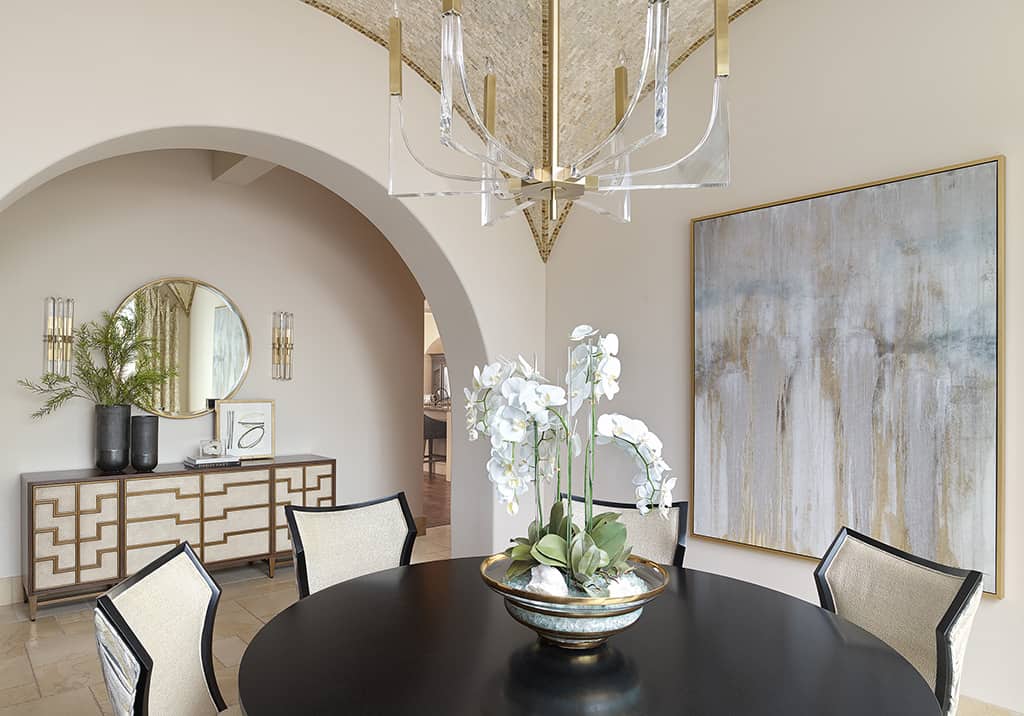

When you consider a home remodel, the impact of interior design can’t be underestimated. It’s not just about aesthetics; it’s about how spaces function for you and your family. Thoughtful design choices can change the entire atmosphere of your home, making it more welcoming and efficient. As you explore your options, think about how elements like color and layout can transform your environment. What changes will make your home truly yours?
Understanding the Basics of Interior Design
When you dive into interior design, understanding the basics can set the foundation for a successful home remodel.
Start by familiarizing yourself with key elements like color, space, texture, and furniture arrangement. Color influences mood and perception, so choose palettes that resonate with your desired atmosphere.
Space planning is crucial; you need to create a flow that enhances functionality. Pay attention to texture, as it adds depth and interest to your design.
Finally, furniture arrangement can either invite conversation or disrupt it, so select pieces that complement each other and your layout.
Assessing Your Space and Needs
How can you ensure your remodel meets your needs? Start by evaluating your current space and identifying what works and what doesn’t.
Walk through each room and make notes on functionality, flow, and any challenges you face daily. Consider your lifestyle—do you entertain often, or do you need a quiet workspace?
Make a list of must-haves versus nice-to-haves to prioritize essential features. Don’t forget to measure your space accurately; effective design hinges on understanding dimensions and layout.
Think about storage solutions or multi-functional furniture to maximize your area. Lastly, envision how you want to use each space over time.
This assessment will guide your decisions and help create a home that truly fits your needs.
Defining Your Style and Aesthetic
Now that you’ve assessed your space and identified your needs, it’s time to focus on defining your style and aesthetic.
Start by gathering inspiration from various sources like magazines, websites, and social media platforms. Pay attention to what resonates with you, whether it’s modern minimalism, cozy farmhouse, or eclectic bohemian.
Create a mood board to visualize your ideas and help narrow down your choices. Think about how you want your space to feel—inviting, vibrant, or serene.
Don’t forget to consider functionality alongside aesthetics; your style should reflect your lifestyle. By honing in on your unique preferences, you’ll create a cohesive design that not only looks fantastic but also feels like home.
The Role of Color in Interior Design
Although color often seems like a simple choice, it plays a crucial role in shaping the mood and functionality of your space. The colors you select can evoke emotions, influence perceptions, and even affect behavior.
For instance, warm tones like reds and oranges can create a cozy, inviting atmosphere, while cool tones like blues and greens promote calmness and relaxation. You can also use color to highlight architectural features or create a sense of flow between rooms.
Consider how natural light interacts with your chosen colors throughout the day. By thoughtfully selecting your palette, you can transform your home into a cohesive and harmonious environment that reflects your personality and enhances your daily life.
Furniture Selection and Layout Strategies
Furniture selection and layout are pivotal in creating a functional and inviting space in your home. Start by choosing pieces that reflect your style and meet your needs.
Consider the scale of your furniture; oversized items can overwhelm small rooms, while tiny pieces may get lost in larger spaces. Next, think about the layout. Arrange furniture to encourage conversation and flow, leaving enough space for movement.
Use area rugs to define zones, especially in open-concept areas. Don’t forget about functionality; multi-purpose furniture can maximize your space.
Lastly, balance your arrangement by distributing visual weight evenly. With thoughtful selection and strategic layout, you’ll transform your home into a comfortable and harmonious environment.
Lighting: The Key to Ambiance
Creating a harmonious environment doesn’t stop with furniture; lighting plays a vital role in setting the mood and enhancing your space. The right lighting can transform any room, making it feel warm and inviting or bright and energizing.
Consider layering your lighting with ambient, task, and accent options to create depth and versatility. Use dimmers to adjust the brightness according to the time of day or occasion.
Natural light is also essential; maximize it by using sheer curtains or strategically placing mirrors. Don’t forget about fixtures; unique lamps and stylish chandeliers can serve as focal points.
Incorporating Functional Elements
While aesthetics are important, incorporating functional elements into your home remodel is essential for enhancing both usability and comfort.
Start by assessing how you use each space. Think about storage solutions that can keep your home organized, like built-in shelves or multi-purpose furniture.
In the kitchen, consider ergonomic layouts that make cooking efficient and enjoyable. Prioritize natural light with strategically placed windows or skylights, which can improve your mood and reduce energy costs.
Don’t forget about accessibility; ensure pathways are clear and furniture is arranged to promote easy movement.
Finally, think about technology—smart home features can streamline daily tasks and add convenience.
Sustainable Design Choices for Your Home
As you embark on your home remodel, consider incorporating sustainable design choices that benefit both the environment and your well-being.
Start by selecting eco-friendly materials, like reclaimed wood, bamboo, or recycled metal, which reduce waste and lower your carbon footprint. Opt for low-VOC paints and finishes to improve indoor air quality.
Energy-efficient appliances can save you money while minimizing energy consumption. Don’t forget about water-saving fixtures, which can significantly decrease your water usage.
Implementing natural lighting through strategically placed windows or skylights reduces reliance on artificial light.
Lastly, consider native landscaping to maintain biodiversity and reduce water needs.
The Impact of Interior Design on Home Value
When you invest in thoughtful interior design during a home remodel, you’re not just enhancing your living space; you’re also boosting your property’s market value.
A well-designed home attracts potential buyers by showcasing functionality and aesthetics. Features like a cohesive color scheme, quality materials, and modern layouts make a striking impression.
By focusing on open floor plans and maximizing natural light, you create a welcoming atmosphere that appeals to today’s buyers.
Furthermore, trendy elements such as eco-friendly materials can set your home apart in a competitive market.
Ultimately, these design choices not only elevate your comfort but also increase your investment.
When it’s time to sell, you’ll likely see a solid return on your design investment.
Conclusion
Incorporating thoughtful interior design into your home remodel can truly transform your living space. By understanding your needs, defining your style, and making smart choices in color, furniture, and lighting, you create a home that’s both functional and inviting. Remember, every detail matters, from sustainable materials to the layout that enhances flow. Ultimately, a well-designed space not only reflects your personality but also boosts your home’s value, making it a wise investment for the future.
Let's Make Your Dream Project a Reality!
Schedule a consult for your next home or commercial interior design project today!
Subscribe to Our Newsletter
Get interior design inspiration and tips delivered straight to your inbox.
"*" indicates required fields
Free Downloads