
In the world of interior design, the high-end client experience is all about personalization and connection. You want your space to reflect your unique style and aspirations, and that’s where a skilled designer comes in. They’ll not only listen to your preferences but also create a tailored journey that enhances your lifestyle. A prime example of this is Nicole Arnold Interiors, known for their bespoke approach to design that truly caters to individual client needs.
But what truly sets apart a luxury experience? The benefits of professional interior design extend beyond mere aesthetics. It involves a deep understanding of your lifestyle and how you live, ensuring that every element of your space serves both functional and emotional purposes. Designers like those at Nicole Arnold Interiors excel in crafting environments that resonate with their clients, blending style with comfort in a way that transforms a house into a home.
Let’s explore the key elements that can elevate your design journey to extraordinary heights, emphasizing the importance of collaboration, expert insight, and a commitment to quality that defines the high-end client experience in interior design.
The Importance of Personalization in Luxury Design
When it comes to luxury design, personalization isn’t just an added touch; it’s the foundation of a truly exceptional client experience. You want your unique lifestyle and aspirations reflected in the space you inhabit.
High-end clients expect tailored experiences that anticipate their needs, making them feel valued throughout the design process. By integrating bespoke elements that resonate with your personal journey, designers can elevate the perceived value of the project.
This effective personalization not only enhances overall satisfaction but also fosters loyalty and referrals. Incorporating feedback from initial consultations allows designers to create customized solutions that exceed your expectations, resulting in a successful project outcome.
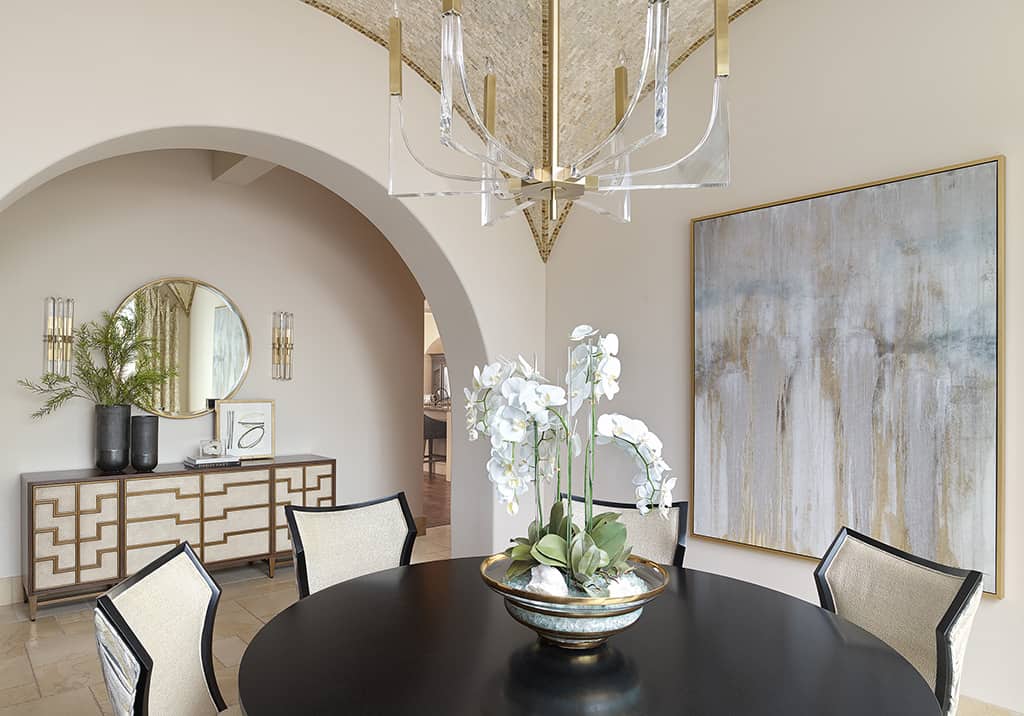
High-quality images further showcase these personalized designs, making the experience even more impactful.
Creating Emotional Connections With Clients
Creating emotional connections with clients is essential in luxury interior design, as it transforms a transactional relationship into a meaningful partnership.
You’ll find that high-end clients prioritize these connections, looking for designers who understand their lifestyle aspirations through personalized design solutions.
Establishing trust is vital; luxury clients often prefer to delegate decision-making, expecting your expertise to align with their visions and values.
By offering high-quality service and paying attention to detail, you foster deeper emotional ties, enhancing client loyalty and encouraging positive referrals.
To further engage clients, consider creating a sense of urgency with limited-time offers that prompt them to act on their desires.
Ultimately, these emotional connections make the design process more fulfilling for everyone involved.
Streamlining the Client Experience
Streamlining the client experience in luxury interior design isn’t just about efficiency; it’s about enhancing the overall satisfaction of your clients throughout the design journey. A well-organized process, including mood boards and material samples, guarantees no detail is overlooked.
By implementing clear communication protocols, you keep clients informed with regular updates, which greatly boosts their satisfaction. Utilizing design software allows clients to easily review designs, approve items, and provide feedback, reducing miscommunication.
Taking a proactive approach to problem-solving anticipates client needs, minimizing the back-and-forth often associated with projects. Additionally, regularly collecting and analyzing client feedback informs process improvements, leading to a more efficient and enjoyable client experience overall.
This commitment to excellence creates a truly streamlined client experience.
The Role of High-Quality Photography
A well-organized client experience naturally leads to the importance of high-quality photography in luxury interior design. When you showcase your design project with professional images, you greatly enhance visual appeal, attracting luxury clients who prioritize aesthetics.
High-quality photography captures intricate details and textures that effectively illustrate transformations, allowing potential clients to envision their own spaces. Research shows that quality visuals can increase client engagement by up to 94%, making this an essential investment for building credibility in the luxury market.
Using before-and-after images not only highlights your skill but also emotionally connects with clients, showcasing the potential for change. Conversely, poor image quality can deter luxury clients, underscoring the need for professional photography to represent your work in the best possible light.
Effective Branding Strategies for Luxury Designers
While many designers focus solely on their creative talents, effective branding is equally essential for attracting luxury clients. To stand out, you need branding strategies that define your unique value proposition, emphasizing high-quality service and exclusivity.
A cohesive aesthetic—colors, fonts, and imagery—should evoke emotions and resonate with your target audience’s lifestyle aspirations. High-quality photography is vital; your portfolio must showcase professional images that highlight your best projects, as poor quality can deter potential clients.
Additionally, establish a strong digital footprint that reflects professionalism, ensuring a seamless online experience that meets luxury clients’ high standards. By combining these elements, you create a compelling brand that speaks to affluent clients seeking premium service and expertise.
Networking With Influential Affiliates
Building a strong network is just as important as establishing your brand when it comes to attracting high-end clients in interior design. Networking with luxury real estate agents and brokers can open doors to valuable leads and referrals, connecting you with clients seeking unique design solutions.
Collaborating with renowned general contractors enhances your project’s credibility, leading to more considerable opportunities in upscale markets. Establishing relationships with upscale furniture and décor shops not only generates referrals but also provides access to exclusive products.
Engaging with industry experts and media professionals greatly boosts your visibility, helping you gain recognition in the luxury market. Partnering with architects and builders expands your reach, allowing you to offer extensive services to discerning clients seeking the best.
Enhancing Client Communication and Feedback
Effective communication is essential for a successful interior design project, as it not only sets clear expectations but also fosters a strong relationship with your clients.
Open and clear communication keeps your clients informed about budget, timelines, and design choices, enhancing their overall experience. Regular project updates engage clients, guaranteeing they feel involved and reducing misunderstandings.
When you respond promptly to inquiries, you build trust and provide reassurance, especially important for high-end clients seeking a seamless experience.
Implementing structured feedback collection allows you to gather valuable insights, refining your services.
Personalizing communication guarantees clients feel understood and valued, which is key to creating a memorable and positive client experience that keeps them coming back.
Delivering Exceptional Customer Service
Delivering exceptional customer service is at the heart of a successful high-end interior design experience. For you, as an interior design client, this means feeling understood and valued throughout the process.
Personalization is key; designers must reflect your unique lifestyle and aspirations. To guarantee a seamless client experience, proactive communication is crucial—minimizing back and forth is essential.
Overdelivering on promises, like thoughtful gifts or personalized touches, can greatly boost your satisfaction and loyalty. Regularly collecting and analyzing feedback helps designers adapt to your evolving needs.
A well-organized appointment scheduling system and clear communication protocols also prevent confusion, assuring a smooth experience. Ultimately, exceptional customer service fosters trust and leads to memorable, rewarding projects for you.
Pricing Strategies for High-End Projects
When it comes to pricing strategies for high-end interior design projects, understanding the unique expectations of luxury clients is essential. These clients value exceptional quality and personalized service, so your pricing should reflect the true value you offer, not just market averages.
Remember, luxury clients prioritize value over cost, often willing to pay a premium for bespoke designs that align with their lifestyle aspirations. Analyzing competitor pricing will help you create a competitive yet premium strategy.
You might consider a tiered pricing model to cater to varying client needs while emphasizing the bespoke nature of your projects. Building relationships with trusted brands enhances your service’s perceived value, justifying higher prices through quality partnerships and exclusive resources.
Continuous Improvement and Client Retention
To guarantee your high-end interior design business thrives, continuous improvement and client retention must be at the forefront of your strategy.
Regularly collecting feedback from your luxury clients helps you identify areas for enhancement, allowing you to adapt your services and boost satisfaction. Overdelivering on promises fosters loyalty, increasing the likelihood of repeat business.
As luxury clients value personalized experiences, tailoring your offerings based on their preferences strengthens relationships and retention rates. Streamlining client interactions reduces confusion, creating a more enjoyable experience that encourages engagement.
Furthermore, adopting a proactive approach to problem-solving builds trust, reinforcing the designer-client relationship.
Let's Make Your Dream Project a Reality!
Schedule a consult for your next home or commercial interior design project today!
Subscribe to Our Newsletter
Get interior design inspiration and tips delivered straight to your inbox.
"*" indicates required fields
Free Downloads