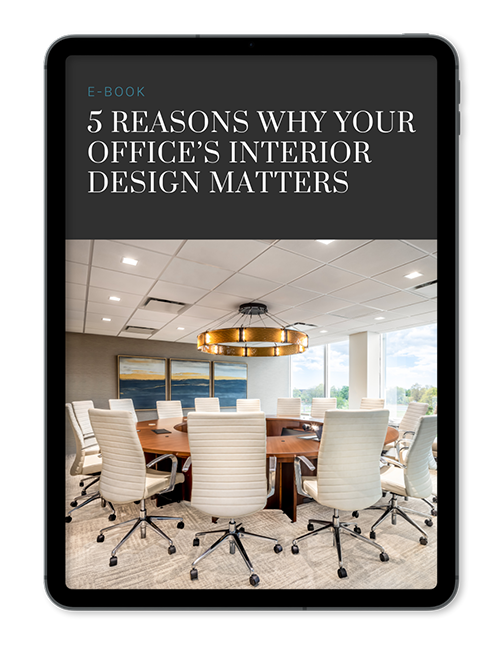

As a Dallas business owner, you know the workspace you create greatly impacts your team’s productivity and satisfaction. Modern design emphasizes flexibility, smart technology, and sustainability to foster collaboration and innovation. By embracing these elements, you not only enhance your work environment but also position your business for future success.
One effective way to achieve this is through professional interior design. Collaborating with experts, such as Nicole Arnold Interiors, can provide tailored solutions that elevate your workspace while aligning with your vision. Their expertise can help you incorporate modern design principles that promote functionality and aesthetic appeal.
Curious about how to implement these strategies effectively? Let’s explore the essential features that can transform your office into a thriving hub. With the right design approach, you can create a space that not only looks great but also inspires your team to perform at their best.
Embracing Innovative Features in Workspace Design
As you navigate the evolving landscape of workspace design, you’ll find that embracing innovative features can greatly enhance productivity and employee satisfaction.
Flexible workspaces, like open lounges and collaborative areas, allow your team to choose environments that promote mobility and spontaneous teamwork. Incorporating moveable walls enables quick reconfiguration of office layouts, enhancing functionality and versatility.
You’ll also want to integrate tech solutions, such as videoconferencing-equipped conference rooms, which cater to privacy needs while fostering collaboration.
Prioritizing sustainable design practices, like LEED certification, guarantees your modern offices minimize environmental impact and future-proof your spaces.
Ultimately, these innovative features not only improve employee comfort but also create vibrant, engaging workplaces that inspire creativity and drive success.
The Role of Smart Technology in Modern Offices
In today’s fast-paced work environment, smart technology plays an essential role in transforming modern offices into hubs of productivity and collaboration.
Smart technology integration enhances employee productivity through features like circadian rhythm-adjusting lighting and facial recognition systems. Offices like ATOS in Irving utilize extensive Wi-Fi capabilities to support flexible workspaces, enabling seamless videoconferencing and file-sharing among teams.
Visitor check-in systems at Bottle Rocket streamline access while boosting operational efficiency. Conference rooms equipped with dual screens and adjustable lighting, such as those at Toyota Connected Headquarters, foster innovative discussions.
Additionally, movable walls and technology-driven booking systems create collaborative environments tailored to employees’ immediate needs, making workspace design more dynamic and effective in meeting today’s challenges.
Flexibility and Adaptability in Workspace Layouts
Flexibility and adaptability have become essential elements in modern workspace layouts, with companies increasingly recognizing the need for environments that can quickly respond to evolving demands.
Modern workspace designs incorporate movable walls and modular furniture, allowing you to reconfigure spaces easily for team size or project changes. Open-plan spaces promote mobility and encourage employee satisfaction by letting workers select their work environment based on their tasks.
Technological integration, like app-based room booking systems, enhances the effectiveness of collaborative spaces, ensuring they’re always available when needed.
With the rise of hybrid work models, adaptable spaces are crucial for balancing in-office and remote work. Embracing flexible lease terms can further support your business’s evolving workspace needs.
Sustainable Design Practices and Their Impact
Sustainable design practices in workspace environments not only contribute to a healthier planet but also create more productive and enjoyable workplaces for you and your colleagues.
By focusing on energy efficiency, you can reduce energy consumption by up to 30%, leading to lower utility bills. Incorporating LEED certification standards guarantees you’re using eco-friendly materials, minimizing your carbon footprint.
Utilizing natural light through strategic window placements boosts employee well-being and can cut lighting costs by up to 75%. Implementing green roofs improves air quality and provides insulation, lowering heating and cooling expenses.
Research shows that sustainable workplaces can enhance employee productivity by 15% due to better indoor environments, making your workspace both eco-conscious and efficient.
Embrace sustainable design for a thriving workplace!
Creating Collaborative and Community-Engaged Environments
As you design your workspace, consider how creating collaborative and community-engaged environments can greatly enhance both productivity and employee satisfaction.
Incorporating flexible workspaces, like open lounges and coffee bar-style kitchens, encourages informal interactions and sparks creativity. Moveable walls in your office design enable adaptable configurations, allowing teams to shift spaces for collaborative projects or private meetings.
By integrating technology—such as videoconferencing and conference room booking systems—you make collaboration seamless, regardless of location. Additionally, emphasizing community engagement through local events and networking opportunities strengthens ties with your surrounding community, enriching your workplace culture.
Ultimately, fostering these communal spaces within a modern workspace not only boosts collaboration but also creates a sense of belonging among your employees.
Enhancing Employee Satisfaction and Productivity
When you prioritize employee satisfaction and productivity in your workspace design, you create an environment that not only supports individual performance but also fosters team cohesion.
Incorporating natural light can boost productivity by up to 15%, making your workspace healthier and more stimulating. An open-plan office layout, balanced with quiet zones, enhances collaboration while allowing for focused work, increasing employee satisfaction.
Consider flexible workspace solutions like adjustable desks and collaborative areas to accommodate diverse working styles, which greatly improve morale. Additionally, ergonomic furniture reduces discomfort and fatigue, leading to a 25% decrease in absenteeism.
Finally, utilizing modern technology, such as smart lighting and climate control, enhances comfort, which is closely linked to improved job performance and employee engagement.
Let's Make Your Dream Project a Reality!
Schedule a consult for your next home or commercial interior design project today!
Subscribe to Our Newsletter
Get interior design inspiration and tips delivered straight to your inbox.
"*" indicates required fields
Free Downloads