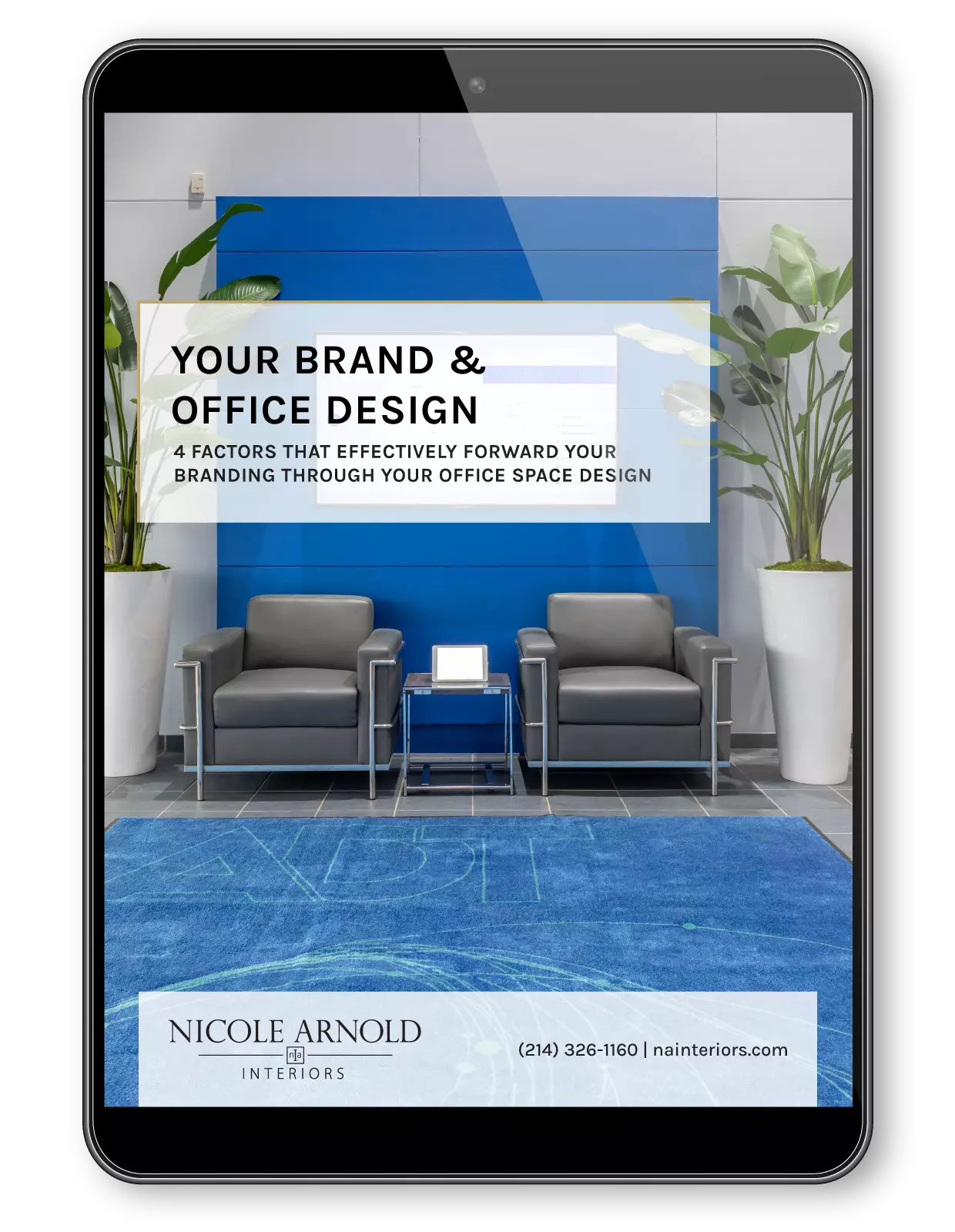

When it comes to project management in commercial design, having a solid strategy is vital for success. You’ve got to define your project goals and scope clearly from the start. This sets the foundation for effective communication among your team and clients. Plus, utilizing project management software can streamline your scheduling and budgeting. As you navigate these essential steps, consider the benefits of professional interior design solutions. For instance, working with a firm like Nicole Arnold Interiors can enhance your project by providing expert insights and tailored designs that align with your vision. As you implement these strategies, you’ll discover key tips that can transform your approach and lead to outstanding results. What will you uncover next?
Define Project Goals and Scope
When you kick off a project, it’s crucial to define your goals and scope clearly, as this sets the stage for everything that follows.
Start by articulating your project goals with input from your client to guarantee everyone’s on the same page. Document these in a project brief or contract, outlining the vision, needs, and expectations.
Establish specific deliverables, milestones, budget constraints, and timelines to guide your project and measure progress effectively. Communicate the defined project scope to all stakeholders to minimize the risk of scope creep and misunderstandings.
Finally, continuously evaluate your project’s progress against these established goals and scope, ensuring you stay aligned and on track for a successful outcome.
Create a Project Plan and Schedule
Creating a project plan and schedule is essential for steering your project toward success, as it helps you visualize the path ahead.
As a project manager, you need to develop a thorough project plan that outlines key tasks, resources, and timelines, ensuring all stakeholders know their roles and responsibilities.
Utilize project management software to create Gantt charts, which visualize the project schedule and identify dependencies and critical path tasks.
Don’t forget to incorporate risk assessments by identifying potential obstacles and developing contingency strategies proactively.
Efficiently allocate resources by matching team members’ skills with their tasks.
Regularly monitor progress against the project schedule, adjusting timelines and resources as necessary to stay on track and meet deadlines.
Communicate Effectively With Your Team and Clients
Effective communication is essential for the success of any project, as it helps bridge the gap between your team and clients.
Start by establishing clear communication protocols, including preferred methods like email or in-person meetings. Schedule regular updates and status meetings to maintain transparency and keep everyone informed.
Project managers should document all communications in project management software, ensuring accountability and a clear record for future reference. Encourage open dialogue, allowing team members and clients to voice questions and concerns, which minimizes misunderstandings.
Tailor your communication style to match the preferences of your stakeholders, making messages clear and relevant.
Manage Project Quality and Deliverables
Managing project quality and deliverables is key to achieving the results you and your stakeholders expect. Implementing quality control processes, like regular inspections and peer reviews, guarantees all deliverables meet established standards.
Documenting specifications and maintaining clear records of changes helps everyone adhere to quality benchmarks and prevents misunderstandings. Utilize feedback loops from team members and clients during key milestones to address potential quality issues early.
Conduct thorough testing and validation of materials and designs against industry standards to guarantee safety and functionality. Finally, establishing a clear communication protocol for reporting quality concerns fosters transparency and accountability among all stakeholders, creating a cooperative environment in your commercial construction project management efforts.
Stay proactive, and your project quality will shine!
Evaluate and Close the Project
As you approach the end of a project, evaluating its outcomes is essential to understanding what worked well and what didn’t. Conducting a project evaluation or post-mortem analysis helps you identify key strengths, weaknesses, and opportunities that can inform future construction projects.
Documenting and archiving project files, including lessons learned, guarantees that valuable insights remain accessible for reference later. Sharing these insights with your team and clients fosters a culture of continuous improvement and collaboration.
Don’t forget to celebrate achievements at the project’s conclusion, as this boosts morale and reinforces a sense of accomplishment among stakeholders. Utilizing evaluations to refine your project management practices contributes to more effective planning and execution in upcoming initiatives.
Tips for Successful Commercial Interior Design
When planning a successful commercial interior design, it’s essential to take into account how the space will evolve with your business needs.
Start with careful space planning to create flexible layouts that adapt to future changes. Utilizing professional design software, like CAD systems, can enhance accuracy and improve efficiency in your design process.
Integrating the latest technology is critical; guarantee seamless incorporation of communication tools while maintaining aesthetic appeal.
Remember, striking a balance between form and function is significant—it prioritizes operational efficiency and elevates the customer experience, reflecting your brand identity.
Finally, always adhere to building codes, as safety should come first, guaranteeing a secure environment for everyone who uses the space.
Following these best practices will lead to successful commercial interior design.
Strategies for Effective Budget Management
Successful commercial interior design not only focuses on aesthetics and functionality but also hinges on effective budget management.
Start by establishing a thorough budget that covers all potential costs, including design, materials, labor, and a contingency fund of 10-15% for unexpected expenses.
Regularly monitor and update the budget throughout the project to track actual spending and identify variances early.
Utilize project management software to create detailed budget reports offering real-time insights into financial performance.
Don’t forget to engage in proactive communication with clients and stakeholders about budget constraints, ensuring transparency.
Building Strong Supplier Relationships
Building strong relationships with suppliers is essential for the success of any commercial interior design project, as it can greatly impact both the quality of your materials and the overall efficiency of your operations.
Establish clear communication protocols to guarantee timely updates on product availability, helping you avoid project delays. By building long-term relationships with reliable suppliers, you enhance collaboration, trust, and gain better negotiation terms, especially during emergencies.
Regularly evaluate supplier performance based on quality and responsiveness to maintain high standards. Engage in joint planning sessions to align expectations and develop strategies for managing potential supply chain disruptions.
Finally, foster transparency by sharing project timelines and budgets, leading to tailored solutions and improved service delivery.
Let's Make Your Dream Project a Reality!
Schedule a consult for your next home or commercial interior design project today!
Subscribe to Our Newsletter
Get interior design inspiration and tips delivered straight to your inbox.
"*" indicates required fields
Free Downloads