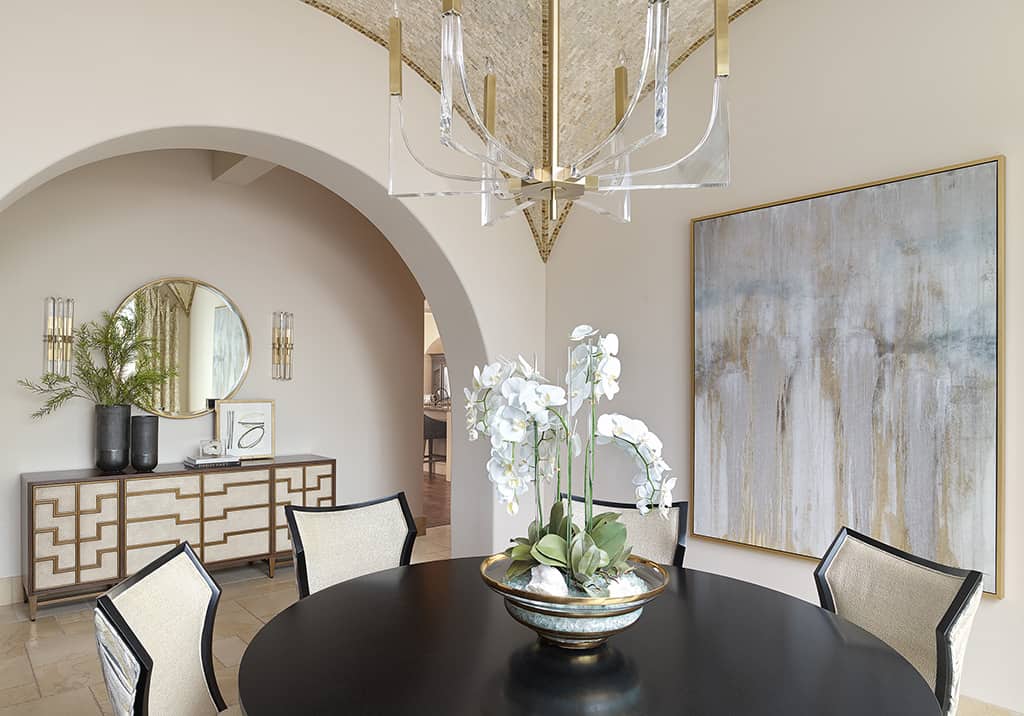

You’ll start by mapping daily routines, who uses each room, and what activities matter most, so every space serves a clear purpose and supports your habits. Prioritize flexible zones and furniture that balance comfort, scale, and durability. Layering task and ambient lighting to match mood and function is essential for creating a versatile environment. Thoughtful storage solutions and a resilient color palette help maintain organization and tranquility.
For those seeking additional guidance, professional interior design services, such as those offered by Nicole Arnold Interiors, can provide tailored solutions that enhance functionality and aesthetics in your home. Their expertise can help you adjust for future needs, ensuring that your space doesn’t just look great but truly works for you. By considering these elements, you can create a home that is both beautiful and reflective of your lifestyle.
Assessing Daily Routines and Household Dynamics
How do people actually move through and use your home each day? You’ll map daily routines and household dynamics by talking with family members about work, school, meals, and downtime, then note patterns that affect design choices and functionality.
Track the flow of movement to locate high-traffic paths and quieter corners, so you can keep active zones accessible while protecting restful areas.
Consider natural light for task-focused spots, arranging seating and work surfaces where daylight boosts mood and productivity.
Choose multifunctional furniture to adapt rooms for changing needs, and prioritize storage solutions that declutter routes and support efficient habits.
Defining Room Functions and Flexible Zones
When you define room functions, start by naming the core activities each space must support—relaxing, working, eating, entertaining—and use those priorities to drive layout, furniture selection, and circulation paths.
You’ll then translate those priorities into flexible zones that allow multifunctional use, so a corner can be a quiet workspace now and a reading nook later.
Good space planning uses furniture arrangement, rugs, and lightweight partitions to delineate areas without closing them off, creating adaptable spaces that feel intentional.
Anticipate future lifestyle changes by choosing modular furniture and foldable pieces that shift roles as needs evolve, reducing renovation costs and stress.
Choosing Layouts That Enhance Flow and Interaction
Why does layout matter so much to daily life and social connection? You shape flow and interaction by planning clear pathways, keeping at least 36 inches between major pieces so people move easily and safely.
In open-concept spaces, arrange seating to promote conversation, placing chairs and sofas facing one another within about eight feet to encourage dialogue. Use zoning to define activity areas—separate quiet corners from active zones—to reduce distractions and boost function.
Thoughtful furniture arrangement balances permanence and adaptability; incorporate flexible furniture like modular sofas or movable tables so you can reconfigure for gatherings or quiet time.
When you prioritize circulation, sightlines, and purposeful zones, your layout supports both everyday routines and spontaneous social moments, enhancing comfort and connection.
Selecting Furniture for Comfort, Scale, and Durability
Good layout sets the stage for how people move and interact, and furniture is the actor that fills that stage—so you should choose pieces that support comfort, fit the room, and stand up to daily use.
When selecting furniture for living spaces, prioritize ergonomic shapes and soft, durable fabrics so seating supports long periods of use in living rooms and home offices.
Pay attention to scale: avoid oversized sofas in small rooms, leave adequate clearance for movement, and balance proportions with other design elements.
Choose materials like leather or high-quality upholstery for high-traffic areas, especially with kids or pets.
Assess functionality—storage coffee tables or modular units add practicality—then test pieces by sitting and checking sturdiness to guarantee long-term durability in your home design.
Lighting Strategies for Mood and Task Performance
Because light shapes how you feel and perform in a space, a thoughtful lighting strategy combines natural light with layered artificial sources to support both mood and tasks.
You should maximize daylight for improved mood and productivity, positioning work surfaces near windows and using sheer treatments to diffuse glare.
Build a layered effect with ambient, task lighting, and accent fixtures so each zone serves its purpose.
In a home office choose cooler color temperatures for alertness, plus focused task lighting at the desk to reduce eye strain.
In living areas favor warm tones to encourage relaxation and ambiance.
Install dimmers or smart controls for flexibility, letting you fine-tune levels for work, rest, or entertaining without rewiring fixtures.
Color Palettes That Support Emotional Well‑Being
Light influences how colors read in a room, so after planning your lighting it makes sense to contemplate which palettes will support the emotional goals for each space.
When designing your home, choose a cohesive color palette that matches a room’s function: soft blues and greens foster relaxation and reduce stress in living areas, while lavender or soft pink promote tranquility in bedrooms and retreats.
Warm neutrals and earth tones deliver comfort and stability, making them ideal for gathering spaces where you want connection and calm.
Use bright yellows or oranges sparingly to introduce energy and creativity without overwhelming the senses.
Smart Storage Solutions for Organization and Longevity
When you design storage with intention, you’ll not only keep clutter at bay but also extend the life of your furnishings and simplify daily routines.
Use smart storage solutions like built-in shelves and cabinets to optimize space while preserving a clean aesthetic, making organization effortless.
Add multifunctional furniture—storage ottomans or coffee tables with drawers—to increase usability without crowding rooms.
Install vertical storage, such as wall-mounted shelving and hooks, to free floor space and create openness.
Outfit closets with customizable organization systems to categorize belongings, speed access, and reduce wear from overcrowding.
Commit to regular decluttering and reassess needs seasonally, so items stay functional and furniture lasts longer.
Thoughtful storage choices balance form and function for durable, calm living spaces.
Planning for Future Needs and Adaptable Design
Smart storage lays the groundwork for order, but planning for future needs moves your design from practical to proactive; by thinking ahead you’ll create spaces that adapt as family sizes, routines, or work habits change.
Embrace adaptable design by evaluating potential lifestyle shifts and space needs now, so rooms can evolve without costly renovations. Choose multifunctional furniture—sofa beds, extendable dining tables, modular shelving—that supports changing uses, from play areas to guest rooms or home offices.
Opt for flexible layouts with movable partitions and clear circulation paths to let you reconfigure spaces easily. Prioritize long-term durability in materials and finishes to withstand wear and reduce replacements.
When you plan for future needs, you build a home that reflects current life and can grow with you.
Let's Make Your Dream Project a Reality!
Schedule a consult for your next home or commercial interior design project today!
Subscribe to Our Newsletter
Get interior design inspiration and tips delivered straight to your inbox.
"*" indicates required fields
Free Downloads