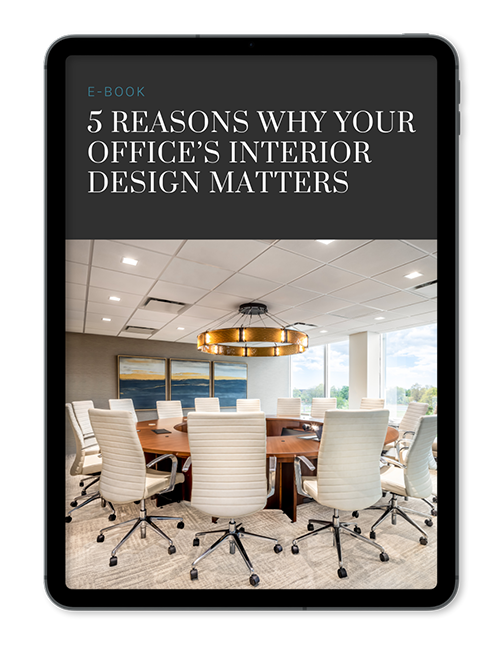

Modern office design plays an essential role in attracting top talent and enhancing productivity. By focusing on flexibility, functionality, and employee well-being, these spaces reflect the values of innovative companies. Think about how ergonomic furniture, biophilic elements, and open layouts can transform the way your team collaborates and focuses.
Incorporating professional interior design solutions can significantly elevate your workspace. For instance, Nicole Arnold Interiors offers tailored design services that prioritize both aesthetics and functionality, ensuring your office aligns with your brand identity while fostering a productive environment.
With the right design elements, you can create an environment that not only impresses clients but also inspires your workforce. What specific features can elevate your workspace? Consider integrating collaborative areas, quiet zones, and spaces that encourage creativity to optimize employee engagement and satisfaction.
The Importance of Modern Office Design for Executives
When you consider the fast-paced and competitive nature of today’s business world, the importance of modern office design for executives becomes clear. A well-thought-out office layout not only enhances creativity and productivity but also boosts job satisfaction among employees.
By incorporating elements like ergonomic chairs and natural lighting, you create an environment that promotes well-being and reduces stress. This thoughtful design attracts top talent, making your company more competitive in the evolving job market.
Additionally, a visually appealing workspace influences client perceptions, helping you make a strong first impression. Adapting your office to cater to diverse working styles fosters autonomy and satisfaction, ultimately leading to improved performance.
Embracing modern office design is essential for executive success.
Key Elements of a Productive Workspace
Creating a productive workspace requires careful consideration of various elements that can greatly influence your work experience.
Start with office designs that prioritize ergonomic furniture, like adjustable desks and comfortable chairs. This can significantly improve your comfort and reduce physical strain, boosting productivity.
Don’t overlook the importance of natural light; studies show it can increase happiness by 15% and enhance focus.
An activity-based working environment with designated zones encourages collaboration and allows you to choose settings that fit your needs, promoting autonomy and satisfaction.
Additionally, incorporating sound-reducing features, such as acoustic panels, can enhance concentration in open spaces, creating a more efficient atmosphere.
Incorporating Biophilic Design Into Office Interiors
Incorporating biophilic design into office interiors can transform your workspace into a sanctuary that fosters both well-being and productivity. By integrating natural elements like plants, you’ll not only enhance aesthetics but also improve employee happiness and creativity.
Access to natural light is essential—research shows it can boost productivity by up to 20%. Consider office ideas that include large windows or skylights to maximize this benefit.
Water features can further reduce stress and promote relaxation, leading to a more engaged workforce. Embracing biophilic design not only elevates your office environment but also aligns with sustainability goals, making your workspace a healthier place to thrive.
Ultimately, these changes can greatly decrease absenteeism, enhancing overall company morale.
Ergonomic Furniture: Enhancing Comfort and Efficiency
Ergonomic furniture plays an essential role in creating a comfortable and efficient workspace, as it supports your body’s natural posture and reduces the risk of discomfort during long hours at the desk.
Investing in ergonomic office chairs and desks can lead to increased productivity, with reports showing improvements of up to 17%. By incorporating adjustable desks, you can alternate between sitting and standing, reducing fatigue and boosting energy levels.
Comfortable seating, designed with lumbar support and adjustable armrests, minimizes distractions from discomfort, enhancing focus. Not only does ergonomic furniture contribute to your well-being, but it also fosters job satisfaction and retention, making you feel valued in your workspace.
Prioritizing these elements can transform your work experience for the better.
Flexible Layouts for Collaboration and Focus
Modern office design is shifting towards flexible layouts that cater to various work styles, fostering both collaboration and focused tasks.
These adaptable spaces allow you to choose environments that suit the nature of your work, enhancing your autonomy and satisfaction. By separating collaborative areas from quiet workspaces, distractions are minimized, leading to more productive outcomes.
Incorporating acoustic panels in these flexible layouts effectively reduces noise, allowing everyone to concentrate better while accommodating diverse working preferences. Research shows that this design approach greatly boosts overall employee performance.
With dynamic configurations that can be easily reconfigured for different activities, you’ll find that modern offices not only support your workflow demands but also create an inspiring atmosphere for innovation and teamwork.
Aesthetic Appeal: Reflecting Company Values
Creating an office space that truly resonates with your company’s values can set you apart in today’s competitive landscape.
Thoughtfully designed office design ideas can enhance your brand image, offering a strong first impression that reflects professionalism. By incorporating natural light and biophilic elements, you not only improve employee well-being but also showcase your commitment to sustainability.
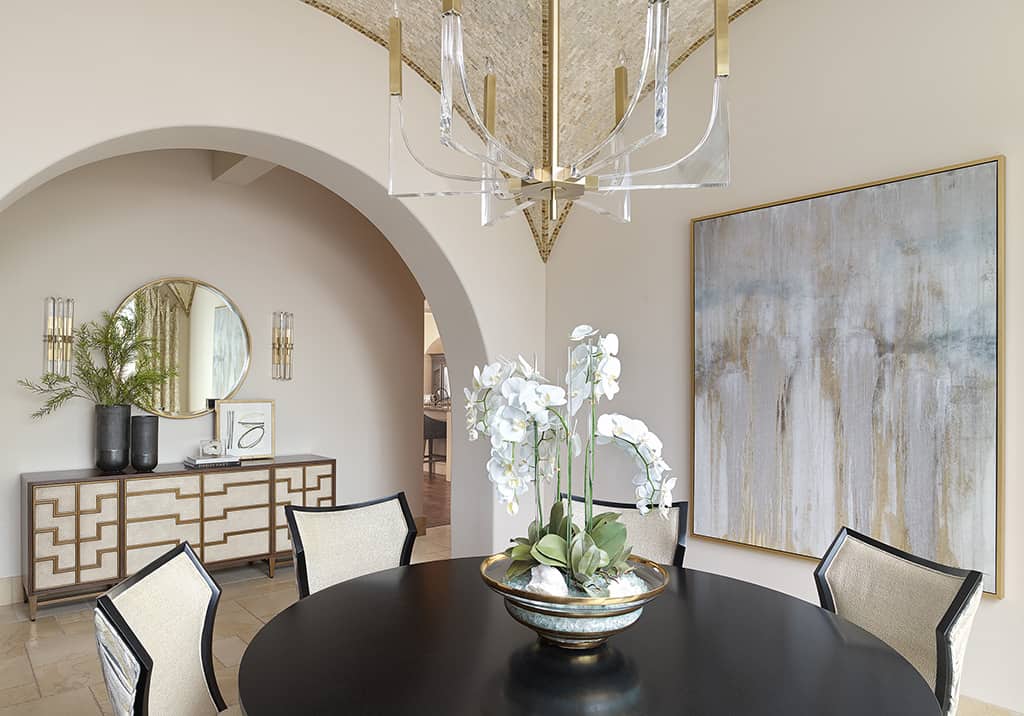
Unique design elements, like bold artwork and innovative furniture, can express your creativity and forward-thinking approach. A cohesive color palette balances light and dark tones, stimulating productivity while mirroring your mission.
Finally, flexible workspaces cater to different working styles, reinforcing your adaptability and dedication to employee satisfaction.
All these interior design choices work together to create a professional environment that truly embodies your values.
Strategies for Noise Reduction and Adaptability
While a bustling office can foster collaboration, it often leads to distractions that hinder productivity. To combat this, consider noise reduction strategies like incorporating acoustic panels into your design. These panels notably cut down on sound, allowing employees to concentrate better.
Embrace adaptable designs that include flexible layouts with designated quiet zones and collaborative spaces, catering to various working styles. Multifunctional areas can be reconfigured easily, enhancing comfort and creating a dynamic environment.
Additionally, using sound-absorbing materials, such as carpets and ceiling tiles, can further minimize noise levels. Implementing glass partitions allows for an open feel while maintaining noise reduction, striking a balance between collaboration and privacy, so everyone can thrive in their ideal workspace.
Let's Make Your Dream Project a Reality!
Schedule a consult for your next home or commercial interior design project today!
Subscribe to Our Newsletter
Get interior design inspiration and tips delivered straight to your inbox.
"*" indicates required fields
Free Downloads