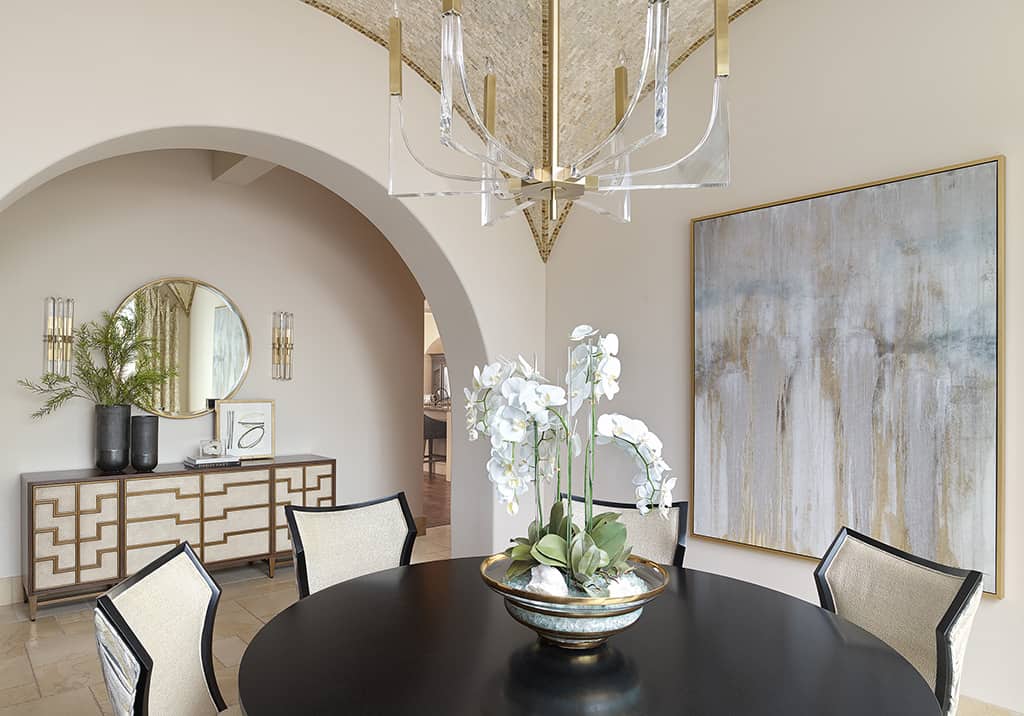

When it comes to custom home interior design, avoiding common mistakes is essential for creating a space that truly reflects your vision. Many people fail to establish a clear design plan, which can lead to confusion and frustration. Others overlook the importance of a well-thought-out floor plan, resulting in cramped or awkward spaces. Understanding these pitfalls is key to ensuring your home functions beautifully and meets your future needs.
One effective way to navigate these challenges is by seeking the expertise of professional interior designers. For instance, Nicole Arnold Interiors can provide tailored solutions that align with your aesthetic preferences while ensuring practicality. Their experience can help you refine your vision and avoid costly mistakes that may arise from a DIY approach.
So, what should you focus on next? Consider prioritizing your design goals, researching materials, and consulting with professionals like Nicole Arnold Interiors to create a cohesive and functional space that enhances your lifestyle.
Not Having a Clear Vision
When you immerse yourself in home interior design without a clear vision, you might find yourself steering through a maze of confusion and frustration. Homeowners make the mistake of jumping into the design process, often overlooking their personal style preferences and functional needs.
Engaging a custom home builder early on can help you identify must-haves and deal-breakers, creating a realistic design framework that aligns with your aspirations. Design consultations are invaluable, refining your vision while ensuring that every element serves its intended purpose.
A well-defined vision not only streamlines the design process but also minimizes costly revisions. Ultimately, creating a home that reflects your unique style and meets practical requirements leads to a satisfying outcome you’ll cherish for years to come.
Overlooking the Importance of Floor Plan Flow
While it might be tempting to focus solely on aesthetics, overlooking the importance of floor plan flow can lead to significant challenges in your home’s functionality.
A well-designed layout enhances connectivity between rooms, promoting a natural flow that boosts comfort and usability. Poorly placed rooms can create cramped spaces, complicating navigation and daily routines.
By strategically grouping common areas and situating private spaces away from noise, you enhance both convenience and functionality. Make sure you maintain clear pathways of at least 36 inches between furniture and walls for smooth movement.
Ultimately, a cohesive floor plan not only increases your home’s appeal but also its resale value, making it more inviting and accessible to potential buyers.
Ignoring Future Needs
Failing to take into account future needs can lead to complications that you mightn’t foresee during the design process.
Designing your custom home solely for current requirements could result in costly renovations later. Consider incorporating flexible spaces, like multi-purpose rooms, which enhance adaptability for evolving family dynamics.
Planning for accessibility features, such as wider doorways and single-level living, guarantees your home remains functional as needs change.
Future-proofing design choices, like customizable elements, can greatly improve long-term livability, allowing for easy updates when life circumstances shift.
Not Prioritizing Natural Light
Natural light plays an essential role in creating a welcoming and vibrant home environment, so neglecting it in your design can greatly impact your overall well-being.
Prioritizing natural light in your home design enhances your mood and productivity, reducing stress levels by up to 20%. Strategic window placement is vital; larger windows and skylights invite more light, creating a bright atmosphere.
Not only does this improve your indoor environment, but it can also lead to a 10-15% reduction in energy costs by decreasing reliance on artificial lighting.
Incorporating light-colored walls and reflective surfaces amplifies natural light, making spaces feel open and inviting.
Don’t underestimate the power of light—it’s a key player in exceptional interior design!
Forgetting About Storage
One of the biggest oversights in home interior design is neglecting storage solutions. Without effective storage, organization suffers, leading to clutter that detracts from your home’s visual appeal.
During the design phase, consider incorporating custom cabinetry and built-ins to maximize space and maintain functionality. Think about walk-in closets and pantries that cater specifically to your needs.
Multifunctional furniture, like ottomans with hidden compartments or beds with built-in drawers, offers elegant storage options without sacrificing style.
Let's Make Your Dream Project a Reality!
Schedule a consult for your next home or commercial interior design project today!
Subscribe to Our Newsletter
Get interior design inspiration and tips delivered straight to your inbox.
"*" indicates required fields
Free Downloads