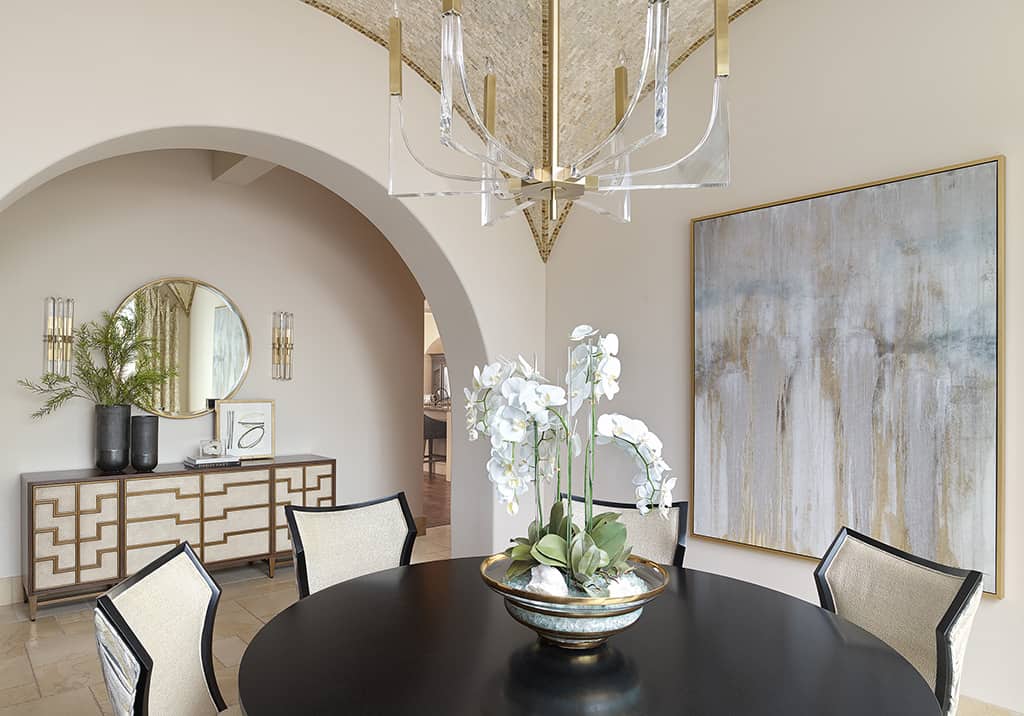

When you think about luxury interior design, you might focus on elegant furnishings or stunning visuals. However, true luxury goes beyond mere looks. It’s about crafting spaces that promote well-being and reflect your personal identity. By considering elements like comfort, sustainability, and emotional resonance, interior design can greatly impact your quality of life. So, what exactly makes a space feel luxurious in a way that uplifts your spirit and nurtures your mind?
One way to achieve this is through the expertise of professional interior designers, such as Nicole Arnold Interiors. With their keen eye for detail and understanding of individual client needs, they can help create environments that not only look exquisite but also enhance your overall living experience.
Focusing on personalized touches, quality materials, and thoughtful layouts, professional interior design solutions can transform any space into a sanctuary that feels both inviting and enriching. Let’s explore this further and discover the elements that contribute to a truly luxurious living experience.
The Role of Interior Design in Well-Being
When you step into a thoughtfully designed space, you mightn’t realize the profound impact it has on your well-being.
Interior design goes beyond mere aesthetics; it shapes your mood and productivity. By incorporating natural light, colors, and materials that resonate with you, a space can foster a sense of belonging and encourage social interaction.
Thoughtful layouts help create environments that enhance community health, making you feel more connected and at ease. Furthermore, sustainable practices improve indoor air quality, promoting long-term health benefits.
As you immerse yourself in such an environment, you’ll likely notice an uplift in your spirits, highlighting the essential role of interior design in nurturing your overall well-being.
Ergonomics and Comfort
How can the right design transform your everyday comfort? In luxury interior design, ergonomics plays an essential role in enhancing your well-being.
Thoughtful spatial planning and the selection of ergonomic furniture, like adjustable chairs and desks, greatly improve your posture and reduce musculoskeletal issues.
Imagine maneuvering through spaces designed with clear circulation paths and accessible features, making movement effortless and enjoyable.
These designs not only look stunning but also cater to your needs, boosting your productivity and satisfaction at home or work.
By prioritizing comfort through ergonomic principles, luxury interiors create environments that support mental clarity and emotional well-being.
Ultimately, investing in ergonomics elevates your experience, ensuring that your surroundings nurture both body and mind.
Lighting and Atmosphere
While the aesthetic appeal of luxury interiors often captures attention, the role of lighting in shaping atmosphere and enhancing well-being is equally essential.
Thoughtful lighting design goes beyond mere decoration; it regulates circadian rhythms, boosting your mood and overall health. By strategically incorporating task lighting, you can reduce eye strain and fatigue, ensuring your space is both functional and beautiful.
The color temperature of your lighting greatly influences the atmosphere—warm tones create a cozy vibe, while cooler tones sharpen focus and productivity. With dimming capabilities, you can personalize the ambiance to fit your mood and activities throughout the day.
Ultimately, effective lighting not only elevates luxury but also evokes specific emotions, enriching your experience within the space.
Sustainable and Eco-Friendly Design
Luxury interior design is increasingly embracing sustainable and eco-friendly practices, reflecting a growing awareness of environmental responsibility.
By incorporating sustainable design principles, you can utilize eco-friendly materials like low-VOC options, which improve indoor air quality and minimize harmful chemicals. Energy-efficient materials not only lower energy consumption but also enhance thermal comfort, reducing your reliance on heating and cooling systems.
Biophilic design elements, such as large windows and indoor plants, connect your space with nature, promoting mental well-being. Opting for recycled or reclaimed materials showcases your commitment to sustainability while maintaining aesthetic appeal.
Additionally, prioritizing ethical sourcing guarantees that your luxury space supports sustainable practices and local economies, blending elegance with conscientious living.
Tailoring Spaces for Specific Outcomes
Understanding the unique needs of clients is essential when tailoring spaces for specific outcomes in interior design. By grasping clients’ unique preferences, you can create homes that resonate with their lifestyles and aspirations.
In healthcare design, for instance, thoughtful environments can reduce patient anxiety and promote healing through calming colors and natural elements. For educational spaces, flexible furniture and abundant light enhance learning and collaboration.
In residential settings, personal touches foster comfort and well-being, transforming houses into sanctuaries. High-end retail design also benefits from tailored layouts that engage customers and elevate their shopping experience.
Ultimately, your ability to tailor spaces effectively can lead to environments that not only look good but also serve meaningful purposes in clients’ lives.
Uplifting Residential Design
Creating uplifting residential designs isn’t just about aesthetics; it’s about crafting environments that enhance your mental and emotional well-being.
An uplifting residential design prioritizes personalization, ensuring your space reflects your unique vision and lifestyle needs. By incorporating thoughtful design elements, like the balance between open and enclosed areas, you can achieve spatial harmony that fosters order and tranquility.
Utilizing biophilic design principles, such as large windows and natural materials, connects you to nature, which can considerably lower stress levels and improve your mood.
When these elements come together, they create a serene home atmosphere that encourages creativity and promotes calmness.
Ultimately, an uplifting residential design transforms your living space into a sanctuary for both mind and spirit.
Biophilic Design: Bringing the Outside In
When you bring biophilic design into your home, you’re not just enhancing your space; you’re forging a deeper connection to the natural world around you.
This design approach integrates natural elements like large windows, indoor plants, and organic materials, creating spaces that foster tranquility and inspiration.
By maximizing natural light, biophilic design lifts your mood and helps regulate your circadian rhythms, contributing to better overall health.
Incorporating features such as water elements can create a seamless indoor-outdoor experience, enhancing your daily life.
Research shows that environments infused with biophilic principles can boost productivity and creativity, making them ideal for both residential and work settings.
Embracing biophilic design transforms your home into a serene sanctuary.
The Power of Colour in Home Design
Incorporating natural elements into your home through biophilic design sets the stage for another powerful aspect of interior design: the impact of colour.
The right colour palettes can evoke specific emotional responses, enhancing your home’s atmosphere. For instance, cool tones like blues and greens promote calmness, while warm colours such as golds and browns create a sense of warmth and comfort.
By strategically selecting colours based on the function of each space, you can tailor your environment to suit your personality and needs. This personalized approach not only beautifies your home but also influences mood, boosting productivity and well-being.
Ultimately, the effective use of colour transforms your living space into a harmonious sanctuary, inviting relaxation and joy into your daily life.
The Importance of Design Personalisation
Personalization in luxury interior design goes beyond mere aesthetics; it creates environments that resonate deeply with your individual story and lifestyle.
By focusing on clients’ unique visions, designers can craft spaces that truly reflect who you are. Customizing design elements, such as color schemes, materials, and layouts, allows you to express your individuality, making your space feel like home.
Engaging in the design process through collaboration enhances your satisfaction, as it guarantees solutions resonate with your aspirations instead of relying on generic trends.
Personalized designs often incorporate elements that inspire joy, serving not just functional purposes but also promoting emotional well-being.
Ultimately, successful luxury design hinges on translating your narrative into a cohesive and meaningful environment.
Crafting Emotional Luxury in Every Design Project
Crafting emotional luxury in design means creating spaces that truly resonate with your feelings and experiences. This approach prioritizes comfort and inspiration, transcending mere visual appeal.
By integrating psychological principles, you transform houses into personalized sanctuaries that reflect your unique identity. Every detail matters; meticulous attention to detail guarantees that each element evokes positive emotions, enhancing your overall well-being.
Successful emotional luxury design emphasizes personalized elements that cater to your tastes and lifestyle, making your vision a reality. When you focus on emotional luxury, you don’t just create a beautiful space; you foster a deep emotional connection that enriches your living experience, making your home a true reflection of who you’re and what you value.
Let's Make Your Dream Project a Reality!
Schedule a consult for your next home or commercial interior design project today!
Subscribe to Our Newsletter
Get interior design inspiration and tips delivered straight to your inbox.
"*" indicates required fields
Free Downloads