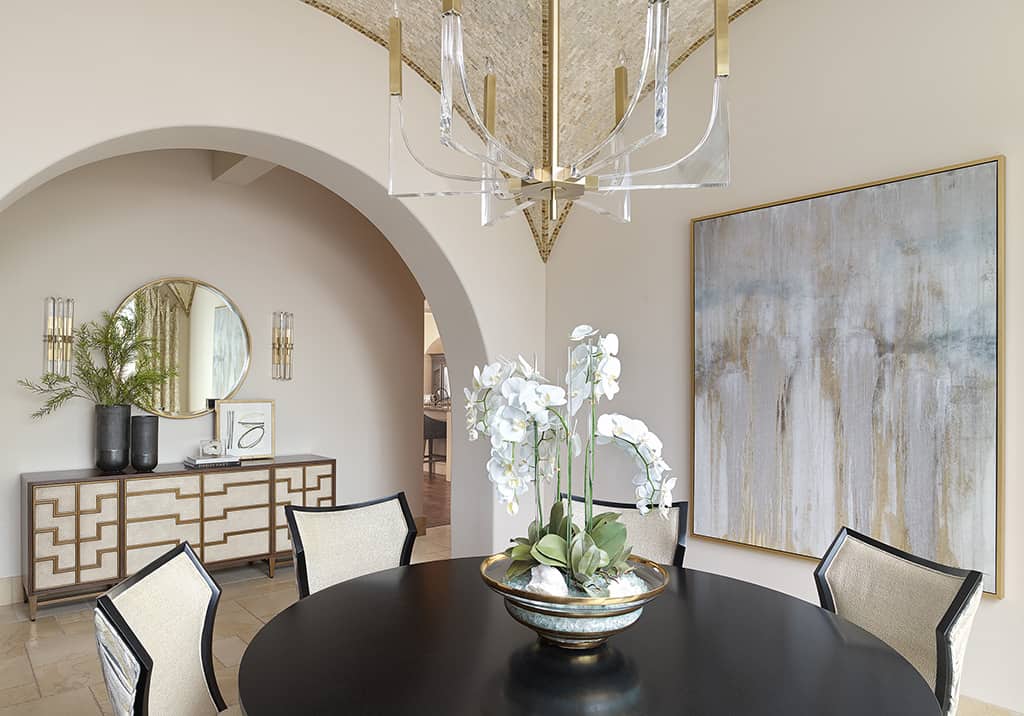

When you’re considering a whole home remodel, it’s crucial to start with a clear understanding of your older home’s potential. You’ll want to assess its structural integrity while appreciating the unique character that makes it special. Balancing modern functionality with historical charm can be a challenge, but with the right approach, you can create a space that feels fresh yet familiar. So, how do you begin this transformative journey?
Assessing Your Home’s Potential
Before you dive into renovations, it’s essential to evaluate your home’s potential.
Start by examining the structure—look for any signs of damage, like cracks in the foundation or water stains on walls. You’ll want to identify areas that can be improved or enhanced.
Next, consider the layout. Does the flow work for your lifestyle? Are there underutilized spaces that could serve a better purpose?
Don’t forget about the exterior; curb appeal can dramatically influence your home’s value. Take notes on the architectural features you love and those that might need updating.
Finally, assess the neighborhood. Understanding the local market will help you make informed decisions as you envision your remodel.
Embrace your home’s unique character while planning for modern comforts.
Creating a Vision and Budget
As you embark on your renovation journey, creating a clear vision and budget is crucial for a successful outcome. Start by outlining your goals for the space.
Think about how you want each room to function and the aesthetic you aim to achieve. This vision will guide your decisions throughout the process.
Next, establish a realistic budget. Research costs for materials, labor, and permits, and allow for unexpected expenses.
Prioritize your must-haves versus nice-to-haves, and be flexible; renovations often come with surprises.
Consider consulting professionals for accurate estimates and advice.
Preserving Historical Features
While you’re reimagining your older home, preserving its historical features can enhance its charm and character. Start by identifying key elements, like original moldings, hardwood floors, or antique fixtures, that reflect the home’s unique story.
You might want to restore rather than replace, using materials and techniques that match the era of the house. Consider consulting with specialists in historical preservation to ensure you’re making informed choices.
Don’t overlook the importance of maintaining the overall architectural style; it ties together the home’s aesthetic. Reuse salvaged materials whenever possible, as they can add authenticity.
Finally, document the historical features you preserve, so future owners appreciate the heritage of your beautiful home. Balancing preservation with modern updates can lead to a truly stunning result.
Modernizing Functional Spaces
Preserving historical features adds charm, but modernizing functional spaces is just as important for creating a comfortable home.
Start by assessing your kitchen and bathrooms, as these areas significantly impact daily life. Upgrading appliances to energy-efficient models can enhance usability while lowering utility bills. Consider reconfiguring layouts to improve flow and accessibility, ensuring you have enough counter space and storage.
In living areas, think about incorporating open concepts that promote interaction and light. Don’t forget about lighting; modern fixtures can dramatically change the atmosphere.
Lastly, invest in smart home technology to streamline daily tasks. By thoughtfully modernizing these functional spaces, you’ll create a home that balances history with contemporary convenience, enhancing both comfort and enjoyment.
Incorporating Sustainable Practices
Incorporating sustainable practices into your home not only benefits the environment but can also enhance your living experience.
Start by using eco-friendly materials, like bamboo flooring or recycled glass countertops, which reduce your carbon footprint. Opt for energy-efficient appliances that lower utility bills and minimize energy consumption.
Consider installing solar panels to harness renewable energy and decrease reliance on fossil fuels. Don’t forget about insulation; it keeps your home comfortable while reducing heating and cooling costs.
Implement water-saving fixtures, such as low-flow faucets and dual-flush toilets, to conserve water. Lastly, incorporate natural light through strategic window placements, reducing the need for artificial lighting.
Working With Professionals and Contractors
When reimagining your older home, collaborating with professionals and contractors can make all the difference in achieving your vision. Start by defining your goals and budget clearly, then seek out experts who specialize in home remodels.
Research potential contractors, read reviews, and ask for recommendations from friends or family. Schedule interviews to discuss your project and gauge their expertise and communication style.
Once you select a contractor, maintain open lines of communication throughout the process. Share your ideas and concerns, and be receptive to their suggestions.
Establish a timeline and ensure you’re both on the same page regarding expectations. By working closely with professionals, you’ll navigate challenges more smoothly and transform your home into the space you’ve always dreamed of.
Conclusion
In reimagining your older home, remember to blend its unique charm with modern functionality. By assessing its potential, setting a realistic budget, and preserving historical features, you can create a space that honors its legacy. Emphasizing sustainability and collaborating with professionals will ensure a seamless remodel. Embrace the journey, stay communicative, and watch as your vision transforms into a refreshed living space that you’ll love for years to come. Your dream home is just a remodel away!
Let's Make Your Dream Project a Reality!
Schedule a consult for your next home or commercial interior design project today!
Subscribe to Our Newsletter
Get interior design inspiration and tips delivered straight to your inbox.
"*" indicates required fields
Free Downloads