
Planning an interior design-driven remodel starts with defining your goals and vision. It’s essential to understand what you want to achieve, whether it’s enhancing functionality or creating a more appealing aesthetic. Setting a realistic budget is crucial, as it will guide your decisions throughout the process. From here, you can explore design styles that resonate with you. But how do you ensure your vision translates into a well-executed reality?
Define Your Goals and Vision
Before diving into your interior design remodel, it’s essential to define your goals and vision.
Start by asking yourself what you want to achieve with this project. Are you looking to create a more functional space, enhance aesthetics, or increase your home’s value?
Jot down specific ideas that resonate with you, whether it’s a cozy reading nook, an open-concept living area, or a vibrant kitchen.
Visualize how you want each room to feel and flow, considering colors, textures, and styles that inspire you.
Don’t hesitate to gather inspiration from magazines, websites, or social media.
This clarity will serve as your foundation, guiding your design choices and ensuring that every element aligns with your overall vision for the space.
Set a Realistic Budget
Setting a realistic budget is crucial for a successful interior design remodel. Start by assessing your financial situation and determining how much you can comfortably allocate to the project.
Consider all costs, including materials, labor, permits, and unexpected expenses. It’s wise to set aside an additional 10-20% for contingencies.
Break down your budget into categories to see where you can save or splurge. Prioritize your must-haves and be prepared to adjust your plans based on your budget constraints.
Research and Choose a Design Style
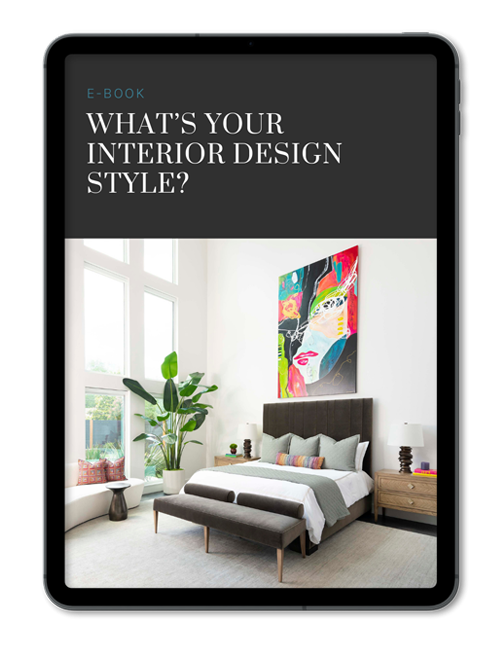
As you dive into your interior design remodel, researching and choosing a design style can set the tone for the entire project.
Start by identifying the styles that resonate with you—be it modern, rustic, eclectic, or minimalist. Explore online resources, magazines, and design blogs to familiarize yourself with different aesthetics and their elements.
Pay attention to the colors, materials, and furniture that catch your eye. Consider your lifestyle and how each style aligns with your daily needs.
Once you’ve narrowed down your options, think about how you can incorporate those influences into your space. Choosing a design style not only reflects your personality but also guides your decisions throughout the remodel, ensuring a cohesive look that you’ll love for years.
Gather Inspiration and Create a Mood Board
Once you’ve settled on a design style, gathering inspiration and creating a mood board can help solidify your vision. Start by collecting images, color swatches, fabric samples, and materials that resonate with your chosen style.
Use platforms like Pinterest or Instagram to curate ideas and discover new trends. As you gather visuals, pay attention to patterns, textures, and color palettes that speak to you.
Once you’ve amassed enough inspiration, arrange these elements on a physical or digital board. This visual representation will guide your decisions and ensure consistency throughout your remodel.
Don’t hesitate to tweak your mood board as new ideas emerge. Remember, it’s a tool to inspire creativity and help clarify your overall design direction.
Plan the Layout and Functionality
With your mood board in hand, it’s time to focus on planning the layout and functionality of your space. Start by assessing how you’ll use each area. Consider flow and accessibility; you want to ensure that movement feels natural.
Sketch a floor plan, marking key furniture pieces and their arrangement. Think about focal points—what do you want to draw attention to?
Don’t forget about storage solutions; integrating clever storage can enhance functionality without sacrificing style.
Also, consider lighting—natural and artificial sources impact how you perceive the layout.
Lastly, keep your lifestyle in mind. If you entertain often, prioritize open spaces. If you need cozy corners, create nooks. Balancing these elements will set the stage for a successful remodel.
Select Materials and Finishes
Selecting the right materials and finishes is crucial to achieving your desired aesthetic and functionality.
Start by considering the style you want to create—whether it’s modern, rustic, or something in between. Think about durability and maintenance; for instance, hardwood floors may offer warmth but require upkeep, while tile is more water-resistant and low-maintenance.
When choosing colors and textures, ensure they complement your overall design theme. Don’t overlook the importance of lighting, as it can dramatically alter how materials appear.
Visit showrooms to feel and visualize your selections in person. Finally, consider how different materials will work together; a cohesive look often enhances the overall atmosphere.
Make informed choices that reflect your personal style while serving your practical needs.
Collaborate With Professionals and Contractors
After you’ve chosen your materials and finishes, the next step is to bring in professionals who can help turn your vision into reality.
Start by hiring an interior designer who understands your style and can offer insights you mightn’t have considered. They’ll work closely with you to create a cohesive plan.
Next, enlist reliable contractors who specialize in the type of remodel you’re planning. Communicate your ideas clearly and ask for their input—they often have valuable experience that can enhance your project.
Always check references and past work to ensure quality. Regular check-ins during the remodel will help keep everyone aligned and address any issues promptly.
Collaboration is key to achieving a successful and beautiful space.
Conclusion
By following these steps, you can effectively plan your interior design-driven remodel. Start by defining your goals and budget, then choose a design style that fits your lifestyle. Gather inspiration and create a mood board to visualize your vision. Pay attention to layout, functionality, and storage solutions. Finally, collaborate with professionals to bring your ideas to life. With careful planning and creativity, you’ll transform your space into a beautiful and functional environment that reflects you.
Let's Make Your Dream Project a Reality!
Schedule a consult for your next home or commercial interior design project today!
Subscribe to Our Newsletter
Get interior design inspiration and tips delivered straight to your inbox.
"*" indicates required fields
Free Downloads