
When you’re looking to combine classic and contemporary elements in custom remodeling, it’s essential to find a balance that feels cohesive. Think about how timeless features can complement modern designs, creating a space that’s both inviting and stylish. The key lies in making thoughtful choices about colors, textures, and furniture. As you start to explore these ideas, consider how each decision impacts the overall atmosphere of your home.
Understanding Classic Design Elements
When it comes to classic design elements, understanding the fundamentals can transform your space. You’ll want to focus on timeless features like symmetry, balance, and proportion.
Incorporate rich materials such as wood, marble, and wrought iron to create a luxurious feel. Think about crown molding, which adds elegance to ceilings, and wainscoting that brings character to walls.
Classic color palettes often include neutrals, deep hues, and soft pastels, providing a cohesive look. Furniture should have clean lines and classic shapes, ensuring it stands the test of time.
Embracing Contemporary Aesthetics
While embracing contemporary aesthetics, you’ll find that clean lines and open spaces are key to creating a modern feel in your home.
Opt for furnishings with sleek profiles, avoiding ornate details that can clutter the space. Minimalism reigns supreme, so choose pieces that serve a purpose and enhance functionality.
To further enhance the contemporary vibe, incorporate natural materials like wood and stone, which add warmth and texture without overwhelming the design. Large windows can invite natural light, making rooms feel airy and expansive.
Additionally, consider integrating smart technology for convenience and a streamlined look.
Finding the Right Color Palette
How can you choose a color palette that truly reflects your style and enhances your space? Start by considering the mood you want to create. Warm colors like reds and yellows add energy, while cool tones like blues and greens evoke calmness.
Next, look at the natural light in your rooms—darker shades can make a space feel cozy, while lighter hues can open it up. Don’t forget to incorporate classic colors that provide a timeless appeal along with contemporary shades for a modern twist.
Use a color wheel to find complementary or analogous colors that work well together. Finally, test samples on your walls to see how they interact with your furniture and decor before making a final decision.
Mixing Textures for Visual Interest
To create a dynamic and inviting space, mixing textures is essential. Combining different materials adds depth and interest to your design.
Start by pairing smooth surfaces like glass or polished metal with rougher elements such as reclaimed wood or stone. This contrast creates a tactile experience that draws the eye.
You might also consider textiles; think plush velvet alongside crisp linen or a woven basket. These variations invite touch and enhance the overall ambiance.
Don’t shy away from layering fabrics in your seating areas or using area rugs to define spaces.
Selecting Furniture That Blends Styles
Mixing textures creates a rich foundation for your space, but selecting furniture that blends styles takes your design to the next level.
Look for pieces that harmonize both classic and contemporary elements. For instance, a sleek modern sofa paired with a vintage coffee table creates an inviting contrast.
Don’t shy away from mixing materials, like a leather chair with a wooden side table, to add depth. Choose neutral colors for larger items to maintain balance, while using bold accents in smaller furnishings to infuse personality.
Don’t forget about scale—combining oversized and smaller items can create visual interest.
Ultimately, trust your instincts, and let your unique style shine through in your furniture choices.
Incorporating Artwork and Accessories
While selecting furniture sets the stage for your space, incorporating artwork and accessories truly brings it to life. Choose pieces that reflect your personality and blend classic and contemporary styles. Think about wall art, sculptures, or even vintage finds that resonate with you.
Don’t shy away from bold colors or unique textures; they can create stunning focal points. Layering accessories, like throws and pillows, adds warmth and comfort while enhancing your design aesthetic. Remember to vary sizes and shapes to create visual interest.
Whether it’s a sleek modern vase or an antique frame, each piece contributes to the overall harmony of your space. Trust your instincts, and have fun mixing elements that speak to you!
Balancing Proportions and Scale
Achieving harmony in your space hinges on balancing proportions and scale. When mixing classic and contemporary elements, pay attention to the sizes and shapes of your furniture and decor.
For instance, a large, ornate mirror can beautifully complement a sleek, modern console table, creating a visual dialogue between the two styles. Consider the height of your ceilings; tall, slim pieces can draw the eye upward, while lower furniture can create a cozy feel.
Don’t forget about the scale of your accessories as well; oversized art can make a statement, but it should fit within the context of your room. By mindfully blending different dimensions, you’ll create a space that feels cohesive and thoughtfully designed.
Lighting: A Key Element in Design
Since lighting plays a pivotal role in setting the mood and enhancing the overall aesthetic of your space, it’s essential to choose fixtures that align with your design vision.
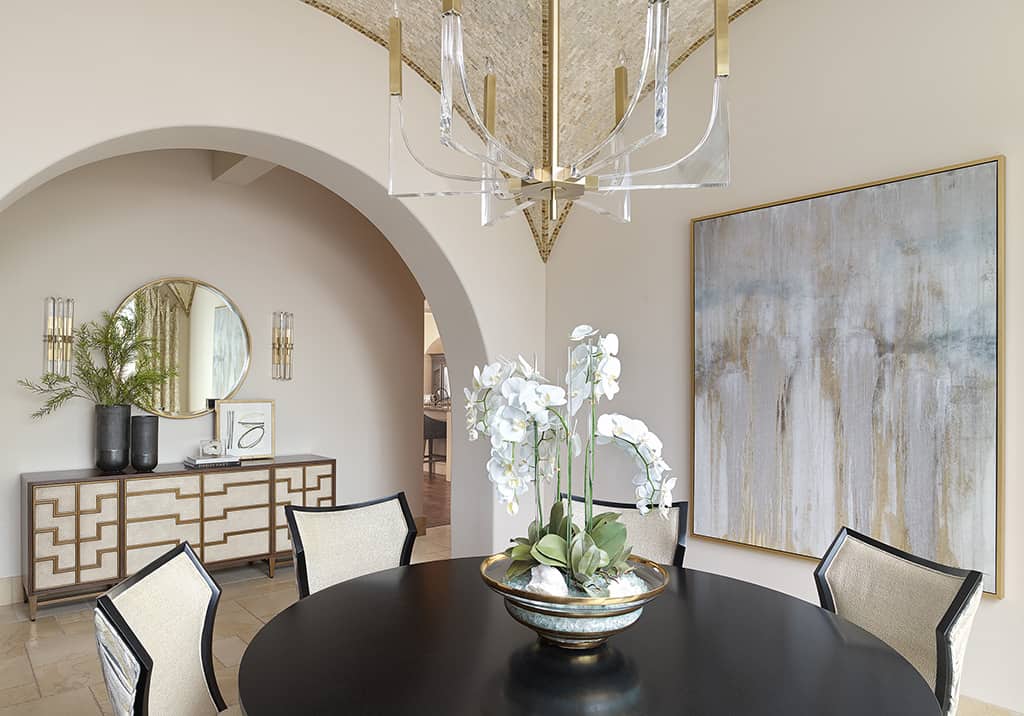
Think about how different lighting styles can either complement or clash with your classic and contemporary elements. For instance, a sleek, modern pendant can add a striking contrast to ornate molding or traditional furniture.
Don’t forget about layering your lighting; combine ambient, task, and accent lighting to create depth and interest. Use dimmers to adjust brightness according to the time of day or occasion.
Creating Focal Points in Your Space
One of the most effective ways to transform your space is by creating focal points that draw the eye and establish a sense of purpose.
Start by identifying key areas in your room—perhaps a stunning fireplace, a piece of artwork, or a unique piece of furniture. Use color, texture, and scale to accentuate these elements.
For instance, consider painting an accent wall behind your focal point to make it pop. You can also arrange furniture to encourage flow toward the focal area, ensuring it becomes the room’s centerpiece.
Don’t forget about lighting; strategically placed fixtures can highlight your chosen focal points beautifully.
Personalizing Your Design Choices
How can you make your space truly yours? Start by incorporating elements that reflect your personality and lifestyle.
Choose colors that resonate with you—bold hues for energy or muted tones for calm. Mix your favorite styles, blending classic furniture with modern decor to create a unique atmosphere.
Don’t shy away from personal touches; add artwork that speaks to you or family heirlooms that tell your story. Functional pieces can also be stylish; think about custom cabinetry that fits your needs while showcasing your aesthetic.
Lastly, consider the layout—ensure it promotes flow and comfort. By thoughtfully selecting design choices, you can create a space that feels authentically you, balancing both classic and contemporary influences seamlessly.
Conclusion
By thoughtfully blending classic and contemporary elements, you can create a harmonious and inviting space that reflects your unique style. Focus on balancing design features, colors, and textures while selecting furniture that merges both aesthetics. Don’t forget the importance of lighting and focal points to enhance your design. Ultimately, it’s about personalizing your choices to make your home feel truly yours, combining the warmth of tradition with the sleekness of modernity for a timeless yet fresh look.
Let's Make Your Dream Project a Reality!
Schedule a consult for your next home or commercial interior design project today!
Subscribe to Our Newsletter
Get interior design inspiration and tips delivered straight to your inbox.
"*" indicates required fields
Free Downloads