
When you consider a home remodel, interior design plays a crucial role in boosting your property’s value. It goes beyond aesthetics; it shapes how potential buyers perceive your space. By focusing on a cohesive design theme and thoughtful layouts, you can create an inviting atmosphere that resonates with modern lifestyles. But that’s just the beginning. There are several key aspects to explore that can elevate your project even further.
Understanding the Importance of Interior Design in Home Remodeling
When you embark on a home remodeling project, understanding the importance of interior design can significantly impact the outcome.
It’s not just about aesthetics; effective interior design enhances functionality and flow within your space. By considering how each room interacts and how you’ll use it daily, you can create a layout that suits your lifestyle.
You’ll want to think about lighting, color schemes, and materials that resonate with your vision while also maximizing comfort. A well-thought-out design can increase your home’s value and appeal, making it more attractive to potential buyers.
Don’t underestimate how crucial these elements are; they can transform your house into a cohesive and inviting home that reflects your personal style.
Creating a Cohesive Design Theme
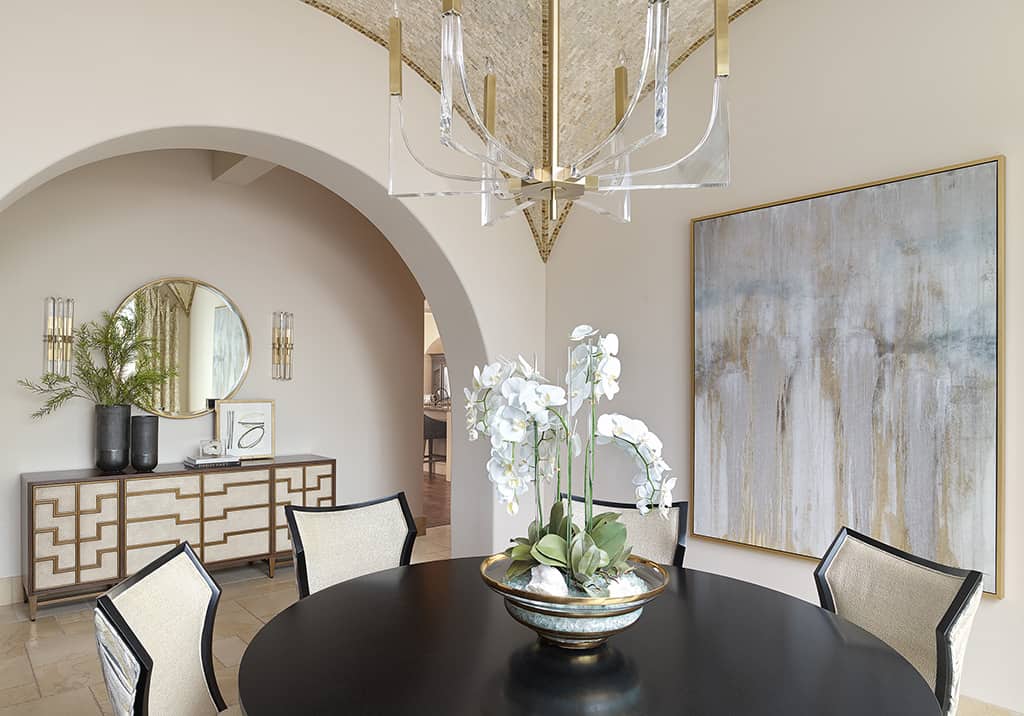
A cohesive design theme ties your home together and enhances its overall appeal. When you choose a unifying style, whether it’s modern, rustic, or eclectic, every room reflects that vision.
Start by selecting a color palette that flows seamlessly throughout your spaces. Use complementary colors for your walls, furnishings, and accessories. Incorporate consistent materials, like wood or metal, to create harmony.
Pay attention to lighting; cohesive fixtures can tie different areas together. Don’t forget about textures—layer them thoughtfully to add depth without overwhelming your aesthetic.
Enhancing Functionality and Flow
To enhance functionality and flow in your home, it’s crucial to consider how each space interacts with the others.
Start by assessing your daily routines and how you move through your home. Are there bottlenecks or awkward layouts that disrupt your activities? Open-concept designs can create a seamless transition between rooms, making spaces feel larger and more connected.
When planning your remodel, think about furniture placement and traffic patterns—ensure there’s enough space for easy movement. Multi-functional furniture, like a bench that doubles as storage, can also maximize utility.
Finally, consider adding pathways or defining areas with rugs to guide the eye and enhance flow. This thoughtful approach not only improves livability but also adds lasting value to your home.
Utilizing Color Psychology for a Positive Impact
Enhancing the flow and functionality of your home sets the stage for deeper exploration into how colors can influence your environment.
When you consider color psychology, you tap into the emotions and moods that different shades evoke. For instance, soft blues and greens promote tranquility, making them ideal for bedrooms or relaxation spaces. Energizing yellows and oranges can uplift your kitchen or dining areas, inviting warmth and creativity.
Meanwhile, neutral tones like grays and beiges create a versatile backdrop that allows your decor to shine. By thoughtfully selecting colors, you not only enhance the aesthetic appeal of your home but also create an atmosphere that resonates with your lifestyle and enhances overall well-being.
Selecting Quality Materials and Finishes
How do you choose the right materials and finishes for your home? Start by considering your lifestyle and the function of each space. If you have kids or pets, opt for durable, easy-to-clean surfaces.
Next, think about the overall aesthetic you want to achieve—mixing textures and finishes can create depth and interest. Prioritize quality over cost; investing in high-grade materials can enhance longevity and reduce future expenses.
Don’t forget to match finishes with your home’s architectural style for a cohesive look. Finally, gather samples to see how they interact with your space’s lighting. This hands-on approach ensures you’ll make informed choices that not only beautify your home but also add significant value to your remodel.
Incorporating Energy-Efficient Solutions
While you may be focused on aesthetics during your home remodel, incorporating energy-efficient solutions can significantly enhance both comfort and sustainability.
Start by selecting energy-efficient appliances that not only reduce utility bills but also add modern flair to your kitchen or laundry room. Consider installing LED lighting throughout your home; it uses less energy and lasts longer than traditional bulbs.
Don’t overlook insulation—upgrading it can keep your home cozy year-round. Opt for energy-efficient windows that minimize heat loss and improve natural light.
Lastly, integrate smart home technology to control heating, cooling, and lighting, maximizing efficiency. By prioritizing these solutions, you’ll create a stylish space that’s also environmentally friendly, ultimately boosting your home’s value.
Maximizing Space With Smart Layouts
When you think about maximizing space in your home, a smart layout can make all the difference. Consider how you can arrange furniture to create open pathways and encourage movement.
Use multifunctional pieces, like a sofa bed or an ottoman with storage, to make the most of every square foot. Open floor plans can also enhance flow, making smaller areas feel larger and more inviting.
In tight spaces, think vertically—shelves or cabinets that reach the ceiling draw the eye upward, creating an illusion of height. Additionally, strategic placement of mirrors can reflect light and amplify space.
Personalizing Your Space to Reflect Your Style
Personalizing your space not only makes it feel like home but also allows you to express your unique style and personality.
Think about your favorite colors, materials, and patterns; they can transform a room. Incorporate elements that resonate with you, like artwork, family photos, or heirlooms, to create a narrative that reflects your journey.
Choose furniture that not only fits your aesthetic but also your lifestyle—whether you prefer a cozy nook or an open-concept layout. Don’t shy away from mixing styles; pairing modern pieces with vintage finds can add depth and character.
Ultimately, your space should tell your story, making every corner a reflection of who you are. Embrace your creativity and let it shine through in every detail!
Conclusion
Incorporating thoughtful interior design into your home remodel isn’t just about aesthetics; it’s a smart investment that boosts your property’s value. By creating a cohesive theme, enhancing functionality, and choosing quality materials, you’re not only making your space more inviting but also appealing to potential buyers. Embrace color psychology and energy-efficient solutions to elevate your home’s atmosphere. Ultimately, a well-designed space reflects your personal style while maximizing its market potential, making it a truly worthwhile endeavor.
Let's Make Your Dream Project a Reality!
Schedule a consult for your next home or commercial interior design project today!
Subscribe to Our Newsletter
Get interior design inspiration and tips delivered straight to your inbox.
"*" indicates required fields
Free Downloads