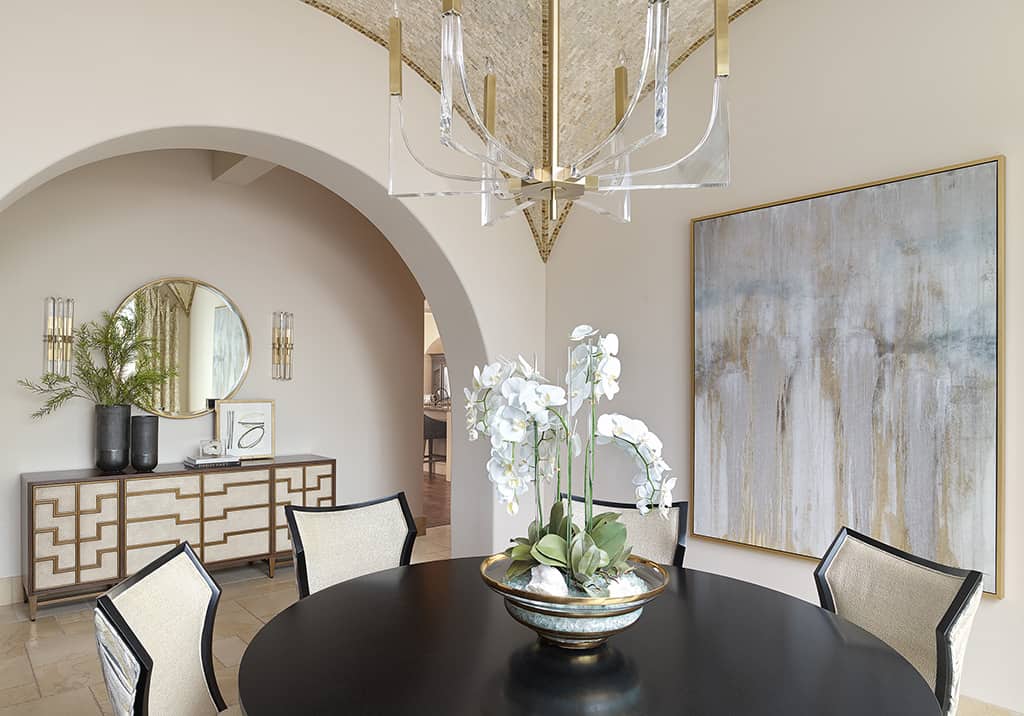

When faced with remodeling challenges, you might feel overwhelmed by awkward layouts and budget constraints. However, designers have a knack for transforming these obstacles into creative wins. They utilize innovative solutions and clever strategies to enhance functionality while maintaining aesthetic appeal. As you explore how these professionals tackle common issues, you’ll discover the surprising ways they turn limitations into opportunities for stunning transformations. What techniques do they employ to maximize every inch of space?
Embracing Awkward Layouts: Creative Space Planning Solutions
When you encounter an awkward layout in your home, don’t feel overwhelmed; instead, view it as an opportunity for creative space planning.
Think about how to redefine the space to make it work for you. Start by identifying the room’s primary purpose and consider multifunctional furniture. For instance, a narrow living area can benefit from a sleek sofa and a compact coffee table that doubles as storage.
Use area rugs to delineate distinct zones, making the space feel more organized. Don’t shy away from bold colors or patterns; they can draw attention away from awkward angles.
Lastly, experiment with lighting to create warmth and highlight your unique design choices, transforming your layout into an inviting and functional space.
Budget Constraints: Innovative Design on a Dime
Even if you’re working with a tight budget, you can still achieve stunning design results that reflect your style. Start by prioritizing your must-haves and focusing on key areas that need attention.
Instead of expensive materials, consider budget-friendly alternatives like laminate or reclaimed wood. You can also refresh your space with a fresh coat of paint, which offers a significant impact at a low cost.
DIY projects are another great way to save money—think about repurposing old furniture or creating your own artwork.
Don’t forget to shop sales and consider secondhand stores for unique finds. With creativity and resourcefulness, you can turn budget constraints into opportunities, proving that great design doesn’t have to break the bank.
Outdated Features: Transforming the Old Into the New
Outdated features in your home can feel like a weight holding back your design potential, but with a little creativity, you can transform them into stylish elements.
Consider that old wallpaper; instead of stripping it away, paint over it with a bold color or add removable wallpaper for a fresh look.
If you’ve got an awkwardly shaped room, embrace it by creating a cozy reading nook or a gallery wall.
Those dated light fixtures? Swap them out for something modern or repurpose them with a coat of spray paint.
Even old cabinetry can shine with a new coat of paint and updated hardware.
Maximizing Small Spaces: Clever Storage and Functionality
Although small spaces can feel limiting, they offer unique opportunities for creativity and functionality. You can transform your area by incorporating multi-purpose furniture, like a sofa bed or an ottoman with storage.
Use vertical space effectively by installing shelves that reach the ceiling, maximizing every inch. Don’t overlook hidden storage options—think under-bed bins or built-in cabinets that blend seamlessly with your decor.
When it comes to organization, choose clear containers for easy visibility and access. Mirrors can also create an illusion of space, making the room feel larger and brighter.
Lastly, embrace minimalist design principles; fewer items mean less clutter and more room to breathe. With thoughtful planning, you’ll turn your small space into a stylish and functional haven.
Overcoming Structural Limitations: Design Strategies That Work
When you face structural limitations in a remodeling project, finding innovative design strategies can make all the difference.
Start by embracing the existing framework; instead of fighting it, use it to your advantage. Open up spaces with strategic cutouts or arches that enhance flow without compromising integrity.
Consider using lightweight materials for partitions, which can create the illusion of space while maintaining necessary support. Incorporate built-in furniture to maximize functionality without overcrowding.
Use vertical space creatively—shelves and cabinets that reach toward the ceiling draw the eye upward.
Lastly, choose a cohesive color palette and lighting to unify the space, making it feel larger and more inviting.
With these strategies, you’ll turn challenges into opportunities for a stunning transformation.
Navigating Client Expectations: Balancing Vision and Reality
As you embark on a remodeling project, it’s crucial to understand that balancing client expectations with reality can be a delicate dance. You’ll often encounter clients with grand visions, but it’s your job to ground those ideas in practical terms.
Clear communication is key; regularly check in with your clients to clarify their goals and address any misconceptions. Use visual aids like sketches or mood boards to help illustrate what’s possible within their budget and timeline.
Be honest about potential limitations while also highlighting creative solutions that can still achieve their desired aesthetic. This approach not only fosters trust but also empowers clients to feel involved in the process, ultimately leading to a more satisfying outcome for everyone involved.
Sustainable Solutions: Eco-Friendly Design Challenges and Wins
Embracing sustainable solutions in remodeling can be both rewarding and challenging. You might encounter obstacles like sourcing eco-friendly materials or implementing energy-efficient systems. However, these challenges often lead to innovative design wins.
By prioritizing local suppliers, you reduce your carbon footprint while supporting your community. Incorporating natural light and energy-efficient appliances not only lowers utility bills but also enhances the overall aesthetic of your space.
You could also explore versatile materials, like reclaimed wood or recycled glass, which add character and sustainability. Remember, each eco-friendly choice contributes to a healthier planet and a more sustainable future.
Ultimately, turning these challenges into triumphs showcases your commitment to responsible design and can inspire others in the remodeling industry.
Conclusion
In the world of design, every challenge is an opportunity waiting to be seized. By embracing awkward layouts, working within budgets, and breathing new life into outdated features, you can create spaces that are not only functional but also beautiful. Maximizing small areas and overcoming structural limitations paves the way for innovative solutions. As you navigate client expectations and explore sustainable options, remember that creativity knows no bounds—your vision can truly transform any space into a captivating win.
Let's Make Your Dream Project a Reality!
Schedule a consult for your next home or commercial interior design project today!
Subscribe to Our Newsletter
Get interior design inspiration and tips delivered straight to your inbox.
"*" indicates required fields
Free Downloads