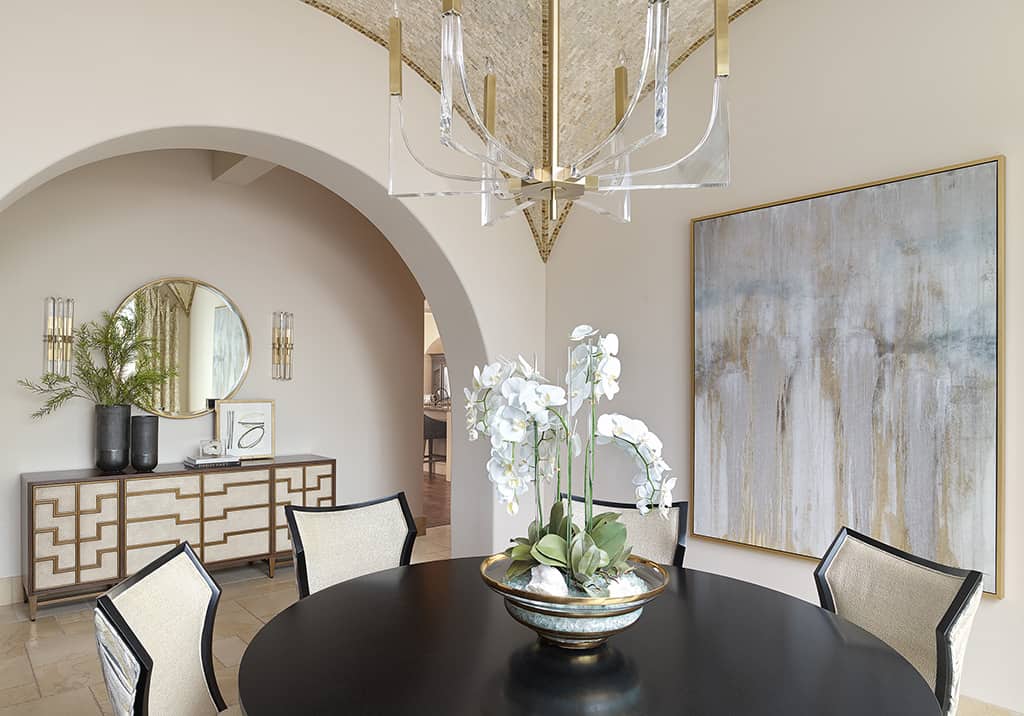

When it comes to renovating a home, preserving its character is essential. Designers focus on highlighting original features, like hardwood floors and crown molding, which tell the home’s story. By restoring rather than replacing these elements, they maintain the unique charm while incorporating modern amenities that enhance daily living. This delicate balance is key to creating spaces that respect the past while serving the present.
To achieve this perfect harmony, professional interior design services can be invaluable. For instance, Nicole Arnold Interiors is one option that specializes in finding that balance between historical preservation and contemporary functionality. Their expertise can help homeowners navigate the complexities of renovation, ensuring that the character of the home is honored while making it suitable for modern life.
Ultimately, the goal is to create spaces that honor the original design while meeting the needs of today’s lifestyle. This approach ensures that the home remains a true reflection of its history, enriched by thoughtful updates that enhance its livability.
Emphasizing Original Features
When you begin a renovation project, it’s crucial to reflect on the importance of emphasizing original features, as they serve as the backbone of your home’s character and history.
Retaining key original elements like hardwood floors, crown molding, and historical windows helps maintain your home’s authenticity.
Restoration of antique features, such as clawfoot tubs and original doors, preserves the unique charm and craftsmanship that modern materials often lack.
Discreetly incorporating modern amenities, like hidden wiring and updated plumbing, allows you to enjoy functional upgrades while keeping the aesthetic integrity intact.
Using historically accurate materials and period-appropriate fixtures enhances authenticity, ensuring new elements blend seamlessly with your home.
Ultimately, preserving these elements adds depth and richness to the character of historic homes.
Blending Modern and Historic Elements
Preserving the original features of your home sets a strong foundation, but blending modern and historic elements can elevate your renovation project even further.
You can maintain your home’s original character by incorporating contemporary fixtures that complement vintage details, creating a balanced aesthetic that respects both the old and the new.
Consider using colors that enhance natural wood tones, ensuring a harmonious integration of modern updates with your historic home’s vintage charm.
Designers often choose materials that mimic traditional ones, like reclaimed wood and period-appropriate fixtures, connecting new additions seamlessly with your home’s historical essence.
Structural changes can be made conservatively, utilizing pocket doors or glass partitions to open up spaces while preserving the original layout and design of your beloved old home.
Prioritizing Restoration Over Replacement
Choosing to prioritize restoration over replacement can greatly enhance the character and historical significance of your home. By focusing on restoration, you can maintain unique architectural details like original woodwork and antique beams. These elements contribute greatly to your home’s character.
Restoring fixtures such as original doors, hardware, and vintage clawfoot tubs not only preserves the integrity of your space but also highlights the craftsmanship that new, mass-produced items often lack. Repairing original windows can improve energy efficiency while keeping the authentic style intact.
Selecting Appropriate Materials and Finishes
In any renovation project, selecting the right materials and finishes plays an essential role in preserving the unique character of your home.
When you’re choosing materials, aim for options that match or complement the original construction, ensuring a seamless blend of new and historic elements. Consider using reclaimed wood to maintain authenticity and support sustainability efforts.
Incorporating period-appropriate fixtures enhances your home’s character while respecting its historical context. If you prefer modern materials, look for ones that mimic traditional designs, like faux wood finishes, which provide durability without compromising aesthetics.
Additionally, selecting historically accurate paint colors can amplify the charm of vintage features, keeping the integrity of your home’s original character intact.
Maintaining Functionality and Layout
While you may be keen to modernize your historic home, it’s crucial to maintain its original layout and functionality. Designers prioritize retaining the home’s structure during renovations, often utilizing pocket doors or glass partitions to enhance space without losing its charm.
By opening small, closed-off rooms, you can improve flow while preserving key architectural elements that define your home’s unique character. Incorporating modern amenities doesn’t mean sacrificing aesthetics; discreet upgrades to electrical and plumbing systems can blend seamlessly with original features.
Custom Amish-made vanities optimize functionality in bathrooms, harmonizing with historic aesthetics. By carefully selecting materials and finishes that complement existing elements, you facilitate a cohesive look that respects your home’s history while embracing necessary updates.
Incorporating Modern Amenities Discreetly
Incorporating modern amenities into your historic home can be a delicate balancing act, as you want to guarantee that the enhancements don’t overshadow the unique character of the space.
Designers often focus on blending modern features seamlessly with your home’s original character. Upgrading electrical and plumbing systems discreetly allows for essential improvements without losing the vintage charm.
For instance, hiding modern wiring behind walls preserves architectural details, while unobtrusive ductwork designs maintain visual appeal. Additionally, selecting materials that mimic traditional ones guarantees a seamless blend of old and new.
Understanding the Home’s Unique Story
Every historic home has a story that’s waiting to be uncovered. By researching the home’s history, including its architectural style and original builders, you gain insights that guide your renovation decisions.
These choices can respect and preserve the property’s unique character. Understanding the construction techniques used in the home helps you maintain its integrity while updating it.
Engaging with local historical societies and libraries often reveals fascinating details about previous owners, enriching your restoration efforts. Recognizing the significance of original features, like crown molding and stained glass windows, allows for targeted preservation that enhances authenticity.
Ultimately, documenting and sharing the home’s story through thoughtful design fosters appreciation for its character, creating a cohesive and meaningful renovation.
Let's Make Your Dream Project a Reality!
Schedule a consult for your next home or commercial interior design project today!
Subscribe to Our Newsletter
Get interior design inspiration and tips delivered straight to your inbox.
"*" indicates required fields
Free Downloads