
When it comes to luxury home renovations, flow is key to creating a harmonious living environment. You might wonder how designers achieve this seamless movement and visual connection throughout a space. By focusing on layout, color, and materials, they craft an inviting atmosphere that feels both functional and elegant. But what specific strategies do they employ to ensure every element works together? Let’s explore the nuances of this intricate design process.
Understanding the Concept of Flow in Design
When you think about flow in design, it’s essential to recognize how each element interacts to create a cohesive experience. Flow isn’t just about aesthetics; it’s about functionality and how spaces connect.
Consider the layout: open spaces encourage movement while defined areas promote intimacy. You want to guide the eye naturally from one area to another, using pathways, furniture arrangement, and architectural features to direct attention.
Pay attention to scale and proportion; oversized furniture in a small room can disrupt flow. Textures and materials should complement each other, enhancing the overall feel.
The Importance of a Cohesive Color Palette
A cohesive color palette is crucial for creating a harmonious flow in luxury home renovations, as it ties together various elements of design. When you select colors that complement each other, you enhance the overall aesthetic and mood of your space.
Think about how different hues interact; a well-planned palette will guide your choices in furnishings, fixtures, and decor. You’ll want to consider the emotional impact of color—warm tones can create intimacy, while cool tones promote tranquility.
Choosing Complementary Materials
While selecting materials for your luxury home renovation, it’s essential to consider how they work together to create a cohesive look. Think about the textures, finishes, and colors that will complement each other.
For instance, pairing a sleek marble countertop with warm wooden cabinetry can add depth and warmth to your space. Don’t overlook the importance of consistency; using similar materials throughout can enhance flow.
You might also want to mix materials in a thoughtful way—like combining metal accents with soft textiles—to create visual interest without overwhelming the senses.
Always keep your overall theme in mind, ensuring each choice reinforces your desired aesthetic. By carefully choosing complementary materials, you’ll achieve a harmonious and inviting atmosphere in your luxury home.
Designing Functional Layouts for Enhanced Flow
To create a seamless flow in your luxury home renovation, you’ll want to design layouts that prioritize functionality and ease of movement.
Start by considering how each room connects to the next; think open spaces that encourage natural transitions. For instance, if you’re designing a kitchen and dining area, open sightlines and easy access between them can enhance your experience.
Use furniture placement to delineate spaces without creating barriers, making it simpler for guests to navigate. Don’t forget about traffic patterns; ensure pathways are clear and intuitive.
Incorporating multifunctional spaces can also optimize flow, allowing you to move effortlessly from one activity to another.
With thoughtful layouts, your home will feel cohesive and inviting.
Incorporating Architectural Elements for Continuity
Incorporating architectural elements throughout your luxury home renovation can significantly enhance the sense of continuity between spaces.
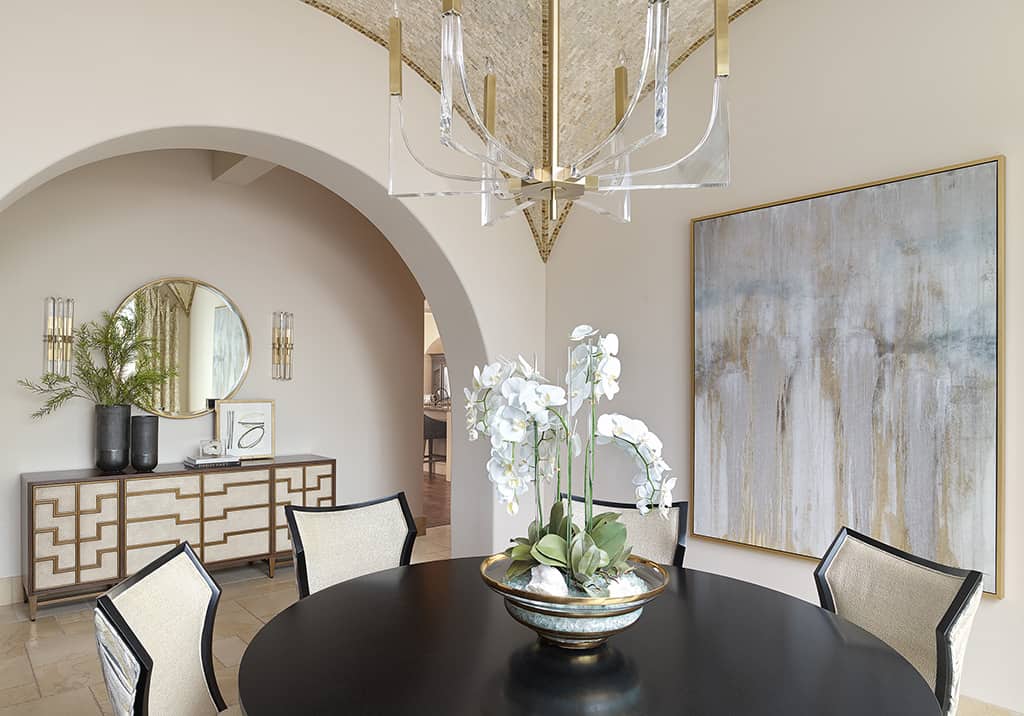
Consider using consistent materials, like hardwood floors or stone finishes, to create a seamless transition from room to room. Architectural details, such as crown molding or coffered ceilings, can tie various areas together, adding elegance and cohesion.
You might also want to maintain a unified color palette that reflects your personal style while ensuring each space feels connected.
Think about incorporating arched doorways or large windows that frame views throughout your home, enhancing both flow and natural light.
Creating Visual Connections Between Rooms
A cohesive design isn’t just about materials and finishes; it’s also about how spaces visually connect. To achieve this, consider using a consistent color palette throughout your home. This creates a seamless transition as you move from one room to another.
You might also think about maintaining similar textures or patterns in different areas, which can unify the overall aesthetic. Open spaces can help too; incorporating large doorways or archways fosters a flow that invites movement.
Additionally, strategically placing artwork or decorative elements that relate to adjacent rooms can reinforce these visual ties. By focusing on these connections, you’ll create an inviting environment that feels harmonious and thoughtfully designed.
Utilizing Lighting to Enhance Spatial Flow
While many overlook the impact of lighting on a home’s flow, it plays a crucial role in guiding movement and enhancing the overall ambiance. Thoughtful lighting design helps to create a seamless transition between spaces.
You can achieve this by using various light sources, such as recessed lights, pendant fixtures, and floor lamps, to highlight key areas and pathways. Layering light adds depth, making rooms feel more spacious and inviting.
Consider using dimmers to adjust the mood, ensuring each area feels connected yet distinct. A well-lit corridor can naturally lead you into the next room, while focused lighting on artwork or architectural features draws the eye.
Selecting Furniture That Complements the Design
Selecting the right furniture can significantly enhance the overall design of your luxury home renovation, as it not only reflects your style but also influences the flow between spaces.
Start by choosing pieces that align with your color palette and design theme. Opt for furniture that complements the architecture and existing elements, creating a cohesive look throughout your home.
Consider scale and proportion; oversized furniture in a small room can disrupt flow, while appropriately sized pieces enhance harmony.
Don’t forget about functionality—select multi-purpose furniture to maximize space and usability.
Finally, add personal touches with accessories like cushions or art, allowing your personality to shine through while maintaining a seamless flow in your luxurious environment.
Blending Indoor and Outdoor Spaces
To create a seamless transition between indoor and outdoor spaces, consider how the two areas can complement each other in both design and function.
Use large sliding glass doors that open up to your patio or garden, allowing natural light to flood in while providing easy access. Choose flooring materials that flow from inside to outside, like stone or hardwood, to enhance continuity.
Incorporate similar color palettes and textures to tie the spaces together visually. Arrange outdoor furniture that mirrors indoor pieces, creating an inviting atmosphere.
Add plants and greenery to bridge the gap, ensuring your indoor space feels alive. By thoughtfully merging these areas, you’ll foster a harmonious environment that encourages relaxation and connection with nature.
Personalizing Spaces While Maintaining Flow
Creating a personalized space that maintains a sense of flow requires a delicate balance between individuality and cohesion.
To achieve this, start by selecting a cohesive color palette that reflects your personality while harmonizing with other spaces. Incorporate unique decor pieces that tell your story, like art or heirlooms, but ensure they complement the overall design.
Use furniture arrangements that foster both conversation and movement, allowing each area to feel connected. Consider textures and materials that resonate with your style but also maintain a seamless transition from room to room.
Lastly, lighting can unify these elements, enhancing your space’s character while preserving an inviting atmosphere.
Balance is key; let your individuality shine without disrupting the flow.
Conclusion
Incorporating flow in your luxury home renovation elevates both style and functionality. By focusing on a cohesive color palette, selecting complementary materials, and designing thoughtful layouts, you create a harmonious living space. Don’t forget to integrate architectural elements and strategic lighting to enhance connectivity. Choosing the right furniture and blending indoor and outdoor areas further enriches the experience. Personalizing your space while maintaining this flow ensures a luxurious atmosphere that reflects your unique taste and lifestyle.
Let's Make Your Dream Project a Reality!
Schedule a consult for your next home or commercial interior design project today!
Subscribe to Our Newsletter
Get interior design inspiration and tips delivered straight to your inbox.
"*" indicates required fields
Free Downloads