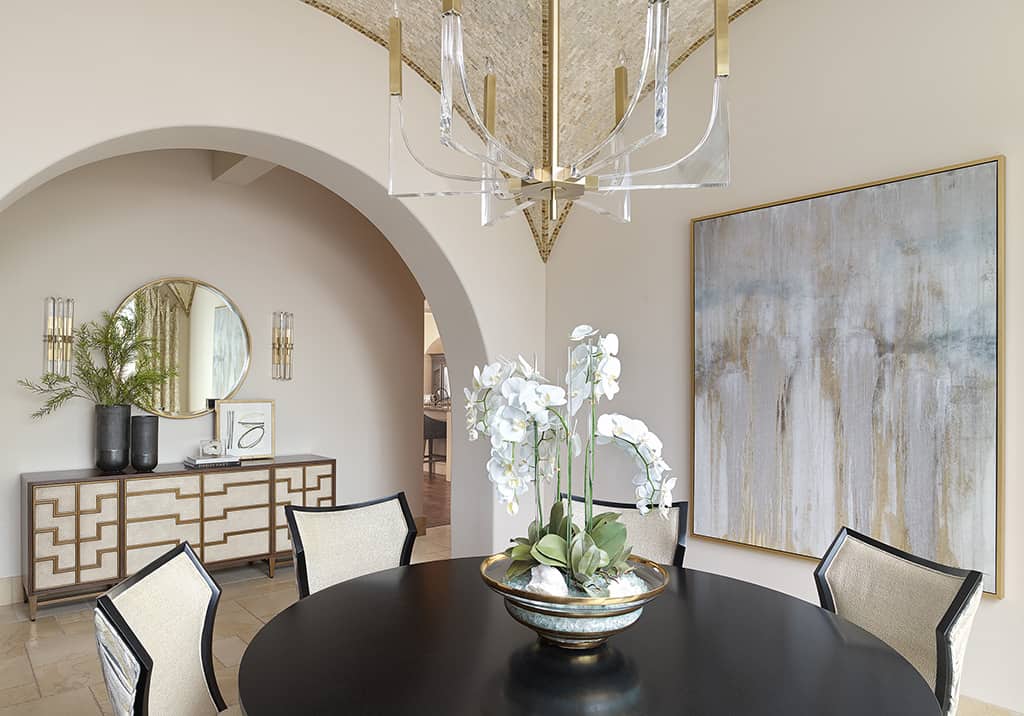

When it comes to kitchen and bath remodeling, you might feel overwhelmed by the choices and decisions ahead. An interior designer can simplify this process, helping you clarify your vision and streamline every step. From selecting materials to coordinating with contractors, their expertise can transform your ideas into a cohesive design that fits your lifestyle. Curious about how they manage budgets and timelines to keep your project on track? Let’s explore that further.
Understanding Your Vision and Goals
When you embark on a kitchen or bath remodeling project, understanding your vision and goals is crucial.
Take time to envision how you want the space to look and function. Consider your lifestyle; do you need a family-friendly kitchen or a serene bathroom retreat? Write down your must-haves and nice-to-haves to clarify your priorities.
Think about the overall style—modern, traditional, or eclectic—and how it aligns with the rest of your home. Communicating these ideas clearly to your interior designer will streamline the process and ensure your dreams become reality.
Streamlining Material and Product Selection
To simplify the material and product selection process, it helps to have a clear understanding of your style and preferences.
Begin by narrowing down your choices based on colors, textures, and finishes that resonate with you. Create a mood board to visualize your ideas, making it easier to communicate with your designer. They can then present curated options that align with your vision, saving you time and reducing overwhelm.
Don’t hesitate to ask about durability and maintenance; knowing these factors can guide your decisions. By establishing a cohesive theme early on, you’ll streamline the selection process and ensure a harmonious result.
Trust your designer’s expertise, and you’ll find the perfect materials and products for your kitchen or bath.
Optimizing Space and Layout
Once you’ve narrowed down your material and product choices, it’s time to focus on optimizing space and layout. You’ll want to think about workflow and functionality.
Consider the classic kitchen work triangle: the stove, sink, and refrigerator should form a triangle for efficiency. In bathrooms, maximize storage by utilizing vertical space and incorporating built-in shelves.
Evaluate the flow of movement; ensure there’s enough room to maneuver without obstruction. If you’re working with a small area, choose multi-functional furniture or fixtures that save space.
An interior designer can help visualize these layouts, making it easier to see the potential of your space. Collaborate closely to ensure every inch serves a purpose, creating a harmonious and practical environment.
Managing Budgets and Timelines
While managing budgets and timelines can feel overwhelming, it’s essential for a successful kitchen or bath remodel. Start by setting a clear budget that includes all aspects, from materials to labor.
Prioritize your must-haves versus nice-to-haves to avoid overspending. A detailed timeline helps keep your project on track; break it down into phases and set realistic deadlines for each stage.
Communicate openly with your designer about your financial limits and time constraints. They can help you find creative solutions that fit your needs without sacrificing quality.
Regular check-ins throughout the project will keep you informed and allow for adjustments, ensuring you stay within budget and meet your timeline without unnecessary stress.
Coordinating With Contractors and Suppliers
Effective coordination with contractors and suppliers can make all the difference in your kitchen or bath remodeling project.
You’ll want to establish clear communication from the start. Share your vision and goals, ensuring everyone is on the same page.
An interior designer acts as a liaison, helping you navigate through complex schedules and material selections. They’ll keep track of deliveries, ensuring that your project stays on track.
Ensuring Cohesive Design and Aesthetic Appeal
To create a kitchen or bath that truly reflects your style, it’s essential to ensure a cohesive design and aesthetic appeal throughout the space.
Start by selecting a color palette that resonates with you. Whether you prefer bold hues or soft neutrals, consistency is key.
Choose materials and finishes that complement each other; for instance, pair matte countertops with glossy cabinets for a balanced look.
Think about the layout, too—ensure that your fixtures, appliances, and furniture align harmoniously.
Incorporate decorative elements, like lighting and accessories, that echo your chosen theme.
Conclusion
Incorporating an interior designer into your kitchen and bath remodeling project can truly transform your experience. By understanding your vision, streamlining material selection, and optimizing layouts, they take the stress out of the process. With their expertise in managing budgets and timelines, along with coordinating contractors and suppliers, you’ll enjoy a seamless transformation. Ultimately, a designer ensures your space not only meets your needs but also reflects your personal style, making it a joy to come home to.
Let's Make Your Dream Project a Reality!
Schedule a consult for your next home or commercial interior design project today!
Subscribe to Our Newsletter
Get interior design inspiration and tips delivered straight to your inbox.
"*" indicates required fields
Free Downloads