
When it comes to simplifying home construction projects, you might find that thoughtful design choices can make a significant difference. By focusing on efficient floor plans and low-maintenance materials, you can streamline the building process. Embracing open concept designs and prefabricated components can further enhance functionality. But what role does technology play in all of this? Let’s explore how these elements come together to create a more manageable construction experience.
Efficient Floor Plans for Streamlined Spaces
When you’re designing your home, efficient floor plans can make a world of difference. Start by considering how you’ll use each space.
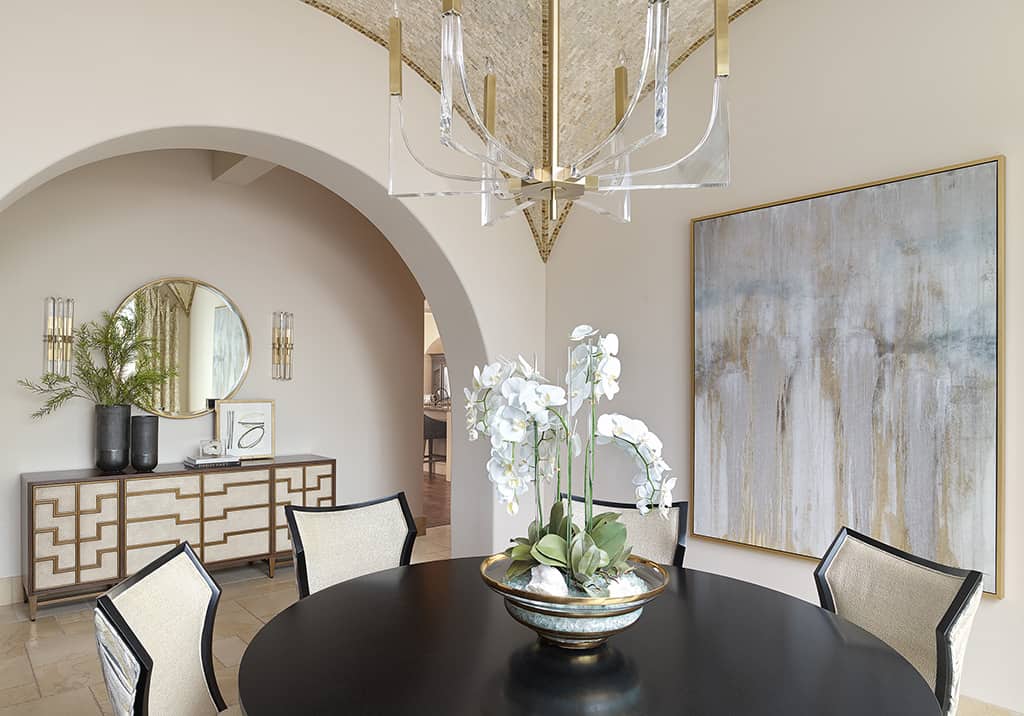
Open-concept layouts often create a sense of flow and maximize natural light, making rooms feel larger. Think about circulation; you want to minimize wasted space and ensure easy movement throughout your home.
Grouping similar areas, like the kitchen and dining room, can enhance functionality. Don’t overlook storage solutions—integrating built-ins can declutter and streamline your design.
Also, consider future needs; flexible spaces can adapt as your lifestyle changes. By prioritizing efficiency in your floor plan, you’ll create a home that’s not only beautiful but also practical and enjoyable for everyday living.
Choosing Low-Maintenance Materials
While you might dream of a beautiful home, choosing low-maintenance materials can save you time and hassle in the long run.
Opt for materials like vinyl siding, which resists fading and doesn’t require painting. For flooring, consider ceramic tiles or luxury vinyl; they’re durable and easy to clean.
When it comes to countertops, quartz is a fantastic choice that won’t stain or scratch easily. In the garden, native plants can reduce upkeep, thriving with little attention.
Additionally, think about metal roofing; it lasts longer and needs minimal maintenance.
Embracing Open Concept Designs
Low-maintenance materials set the stage for a more enjoyable living space, and embracing open concept designs can further enhance that experience.
By removing unnecessary walls, you create a seamless flow between rooms, making your home feel larger and more inviting. This layout encourages social interaction, allowing family and friends to connect effortlessly during gatherings.
You’ll also find that an open concept design maximizes natural light, brightening your space and reducing the need for artificial lighting.
Additionally, you’ll appreciate the versatility it offers; you can easily rearrange furniture or repurpose areas as your needs change.
Ultimately, embracing an open concept design not only simplifies your living environment but also enhances your overall lifestyle.
Incorporating Prefabricated Components
Incorporating prefabricated components can revolutionize your home construction process, making it faster and more efficient. By using pre-made walls, roofs, and even entire sections of your home, you cut down on on-site labor and reduce construction time.
These components are manufactured in controlled environments, ensuring quality and minimizing waste. You’ll also find that prefabricated parts can be customized to fit your design needs, offering flexibility without sacrificing speed.
Additionally, they often come with clear assembly instructions, making it easier for you and your builders to stay on track. By embracing this modern approach, you can streamline your project and focus on creating the home you’ve always envisioned, all while maximizing your budget and reducing environmental impact.
Prioritizing Functionality in Design
When designing your home, prioritizing functionality can make all the difference in creating a space that truly works for you.
Start by assessing your daily routines. Identify the areas where you spend the most time and ensure these spaces are user-friendly. For instance, in the kitchen, opt for an open layout that promotes ease of movement, and consider incorporating ample storage solutions to minimize clutter.
In your living areas, choose furniture that’s both comfortable and versatile, allowing for easy reconfiguration based on your needs. Don’t forget about natural light; strategically placed windows can enhance both functionality and ambiance.
Ultimately, a well-thought-out design that emphasizes practicality won’t only meet your needs but also elevate your overall home experience.
Utilizing Technology for Project Management
As you dive into your home construction project, utilizing technology for project management can streamline the entire process. There are various tools available that help you track progress, manage budgets, and communicate with your team effectively.
Software like Trello or Asana allows you to create task lists and assign responsibilities, ensuring nothing falls through the cracks. You can also use apps like Buildertrend or CoConstruct for real-time updates and scheduling.
Cloud storage solutions like Google Drive make it easy to share documents and plans with contractors. By leveraging these technologies, you’ll enhance collaboration, reduce misunderstandings, and keep everything organized.
Ultimately, embracing tech not only saves you time but also helps you stay within budget, making your project smoother and more efficient.
Conclusion
Incorporating these design ideas can truly simplify your home construction project. By focusing on efficient floor plans, low-maintenance materials, and open-concept designs, you’ll create a space that’s both functional and inviting. Embracing prefabricated components and utilizing technology for project management will streamline the process, saving you time and stress. Ultimately, these strategies help you build a home that meets your needs while ensuring a smoother construction experience. You’ll love the result!
Let's Make Your Dream Project a Reality!
Schedule a consult for your next home or commercial interior design project today!
Subscribe to Our Newsletter
Get interior design inspiration and tips delivered straight to your inbox.
"*" indicates required fields
Free Downloads