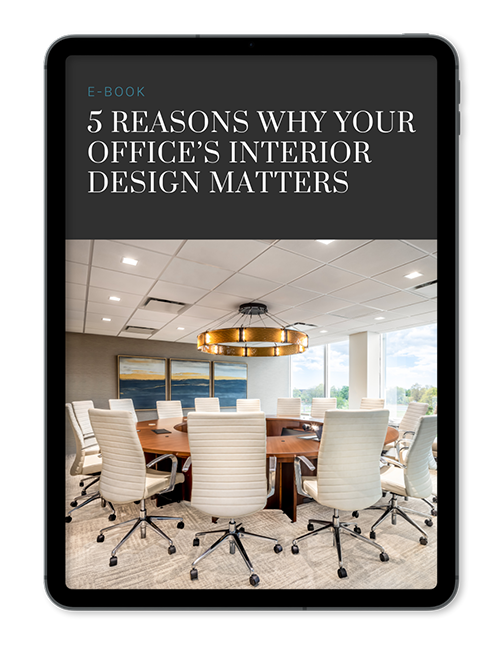

Have you ever considered how your office’s design impacts your daily productivity? The right environment can greatly enhance your focus and creativity. With elements like natural light and ergonomic furniture, you can create a workspace that not only feels good but also drives results. Understanding these design principles can transform your workplace.
One option to consider is enlisting the expertise of professional interior designers like Nicole Arnold Interiors. Their experience in creating functional and aesthetically pleasing spaces can help you implement design solutions tailored to your team’s needs. By investing in professional design, you can optimize your office layout, improve employee satisfaction, and ultimately boost overall performance.
So, what specific changes can you make to elevate your team’s performance and satisfaction? Think about incorporating collaborative spaces, enhancing lighting conditions, and ensuring comfort through quality furnishings. These adjustments can lead to a more engaged and productive workforce.
The Impact of Office Design on Employee Productivity
When you step into an office, the design around you can dramatically affect how productive you feel. The impact on employee productivity is significant, with access to natural light leading to a 15% increase in output and overall employee satisfaction.
Ergonomic furniture plays an essential role, reducing the risk of injuries and enhancing comfort, which boosts productivity. Additionally, incorporating biophilic design elements, like plants and ample natural light, can lead to a 12% rise in productivity and improved mental well-being.
Collaborative spaces encourage teamwork, driving a 30% increase in cross-functional collaboration. Finally, balancing open areas with quiet zones allows for both collaboration and focused work, creating an environment that truly fosters an increase in productivity and employee satisfaction.
Crafting a Productive Environment: Key Elements to Consider
Creating a productive environment hinges on several key elements that can transform how employees interact with their workspace.
First, maximize natural light, as it can boost productivity by 15% and enhance overall well-being. Incorporate ergonomic furniture, like adjustable desks and supportive chairs, to reduce strain and absenteeism, fostering a healthier workforce.
Thoughtful office design using color can also uplift productivity; cooler tones promote focus while warm tones encourage creativity. Additionally, integrate indoor plants to improve air quality and create a calming atmosphere.
Finally, establish breakout zones for informal meetings and brainstorming, which stimulate creativity and collaboration.
Collaborative Office Spaces: Fostering Teamwork and Creativity
Collaborative office spaces play an essential role in fostering teamwork and creativity among employees, as they break down barriers and encourage open communication.
These environments boost creativity by enhancing employee interaction, allowing ideas to flow freely. A well-designed office with strategic design elements, like flexible furniture arrangements, caters to various group sizes, promoting dynamic discussions.
Studies reveal that companies embracing collaborative office spaces see up to a 30% increase in productivity and cross-functional collaboration.
Comfortable communal workstations not only encourage casual interactions but also stimulate brainstorming sessions, leading to innovative solutions.
Breakout Zones: Encouraging Informal Meetings and Brainstorming Sessions
Breakout zones serve as vibrant hubs within the workplace, inviting employees to step away from their desks and engage in informal discussions and brainstorming sessions.
These areas stimulate creativity by providing relaxed settings that encourage open communication and collaboration among team members. When you gather in a breakout zone, you’ll find it easier to share ideas freely, leading to innovative solutions.
Research shows that companies like Google, with unique meeting spaces, saw a 30% increase in cross-functional collaboration. After spending time in these zones, employees often return to their tasks refreshed and recharged.
Small Office Interior Design Concepts: Maximising Space Without Compromising Style
When you’re designing a small office, maximizing space without compromising style is essential for creating an inviting and productive environment.
Thoughtful design can optimize your limited office space by incorporating space-saving furniture that enhances efficiency and aesthetics. Effective storage solutions minimize clutter, creating a more organized work environment that helps reduce stress.
Implementing agile working concepts, like flexible seating and multi-functional furniture, can greatly boost productivity. Additionally, using natural light and bright colors can elevate the atmosphere, leading to higher employee morale.
Designate areas for focused work and collaboration to facilitate a balanced workflow. By thoughtfully integrating these elements, you’ll not only maximize space but also create an inspiring office that enhances every employee’s experience.
Office Cabin Interior Design Concepts: Crafting Private Spaces for Focus and Inspiration
Creating an office cabin that fosters focus and inspiration is essential for enhancing productivity in today’s fast-paced work environment. To achieve this, design private spaces that minimize distractions, allowing employees to concentrate fully on their tasks.
Incorporating biophilic design elements, like plants and natural light, can boost creativity by up to 40%, making these areas more inviting. Ergonomic furniture is a must; it promotes health and reduces the risk of musculoskeletal disorders, ensuring employees remain comfortable and productive.
Don’t forget soundproofing measures to further decrease distractions. Personalizing cabins with individual touches enhances employee satisfaction, directly influencing their overall productivity levels.
The Rise of Biophilic Design: Bringing Nature Indoors for Inspiration
As you explore the modern workplace, you’ll notice a growing trend that emphasizes the importance of biophilic design, which seamlessly integrates natural elements into indoor environments.
This approach brings in natural light and greenery, considerably boosting employee well-being and productivity. Research shows that access to these elements in office spaces can lead to a remarkable 12% increase in productivity.
Incorporating plants not only enhances aesthetics but also improves air quality, creating a healthier workplace. By fostering connections with nature, biophilic design can lower absenteeism and elevate job satisfaction, resulting in a more engaged workforce.
Companies adopting these principles often attract and retain talent, as modern workers increasingly seek inspiring environments that promote their connection to nature.
Let's Make Your Dream Project a Reality!
Schedule a consult for your next home or commercial interior design project today!
Subscribe to Our Newsletter
Get interior design inspiration and tips delivered straight to your inbox.
"*" indicates required fields
Free Downloads