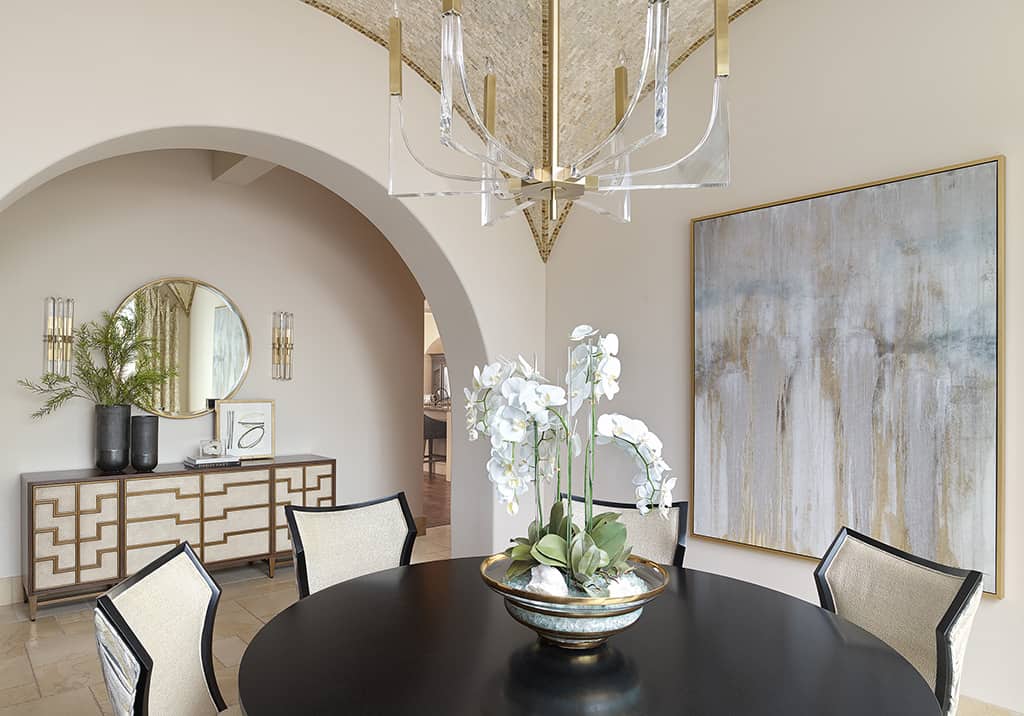


A successful home renovation begins long before construction starts. While the finished space is the part homeowners often look forward to most, the decisions made during the planning and design phases are what shape how the home will ultimately look, feel and function.
Renovation interior design is about more than updating finishes or refreshing individual rooms. It is a thoughtful process of reimagining an existing home to better support the way you live, while creating a cohesive design that feels intentional from one space to the next.
From defining your goals and developing a design plan to selecting materials and preparing for construction, every phase of the renovation process plays an important role in achieving a successful outcome.
At Nicole Arnold Interiors, we believe the best renovations begin with a clear vision. Understanding how a home needs to function, what matters most to the people who live there and how each decision contributes to the overall design allows us to create spaces that feel personal, timeless and thoughtfully considered.
In this guide, we’ll walk through the renovation interior design process and explain what to expect at each stage of transforming an existing home.
What Is Renovation Interior Design?
Renovation interior design is the process of redesigning an existing home to improve its functionality, aesthetics and overall experience. Unlike decorating a finished space, renovation design involves decisions that can impact the layout, materials, architectural details and long-term use of the home.
A renovation may involve updating a single area or transforming an entire residence through changes to the floor plan, finishes, lighting, furnishings and more. The goal is not simply to make a home look newer, but to create spaces that work better for the people who live there.
A thoughtful renovation considers:
- How each space will be used every day
- How rooms connect and flow together
- Which existing features should be enhanced or reimagined
- Where quality materials and craftsmanship will have the greatest impact
- How the overall design will feel years from now
The most successful renovations balance beauty, comfort and functionality to create a home that feels cohesive and reflects the homeowner’s lifestyle.
1. Define Your Renovation Goals and Create a Plan
Before selecting finishes or beginning construction, it is important to establish what you want your renovation to accomplish.
Every home and homeowner has different priorities. Some renovations focus on improving the way a family uses their space, while others may be centered around creating a more cohesive aesthetic, increasing functionality or adapting the home to changing needs.
Start by considering questions such as:
- What is not working well in your current home?
- Which spaces feel outdated, underused or disconnected?
- How do you want your home to support your lifestyle?
- What features are most important to include?
- What should the renovation accomplish now and in the future?
This planning phase creates the foundation for the entire project. It allows design decisions to be made with intention rather than as individual selections that may not work together.
Designer Insight:
Many homeowners begin a renovation focused on what they want to change visually. While finishes and furnishings are important, some of the most impactful decisions involve how a home functions, including layout, storage, lighting and the relationship between spaces.
2. Assemble the Right Renovation Team
A successful renovation requires collaboration between professionals who understand the vision for the home and the technical details required to bring it to life.
Depending on the scope of the project, a renovation team may include an interior designer, architect, contractor and other specialists who contribute their expertise throughout the process. Each professional plays an important role, and clear communication between the team helps ensure that design goals and construction requirements remain aligned.
An interior designer can help guide many of the decisions that shape the finished home, including space planning, materials, finishes, lighting, furnishings and overall design direction. Involving the design team early allows these decisions to be considered as part of one cohesive plan rather than as separate choices made throughout construction.
For more insight on why timing matters, read our article on Why Hiring an Interior Designer Before Your Remodel Matters.
Designer Insight:
The strongest renovation projects happen when the design vision and construction process are connected from the beginning. A shared understanding of the goals allows every member of the team to work toward the same result.
3. Develop the Interior Design Plan
The design phase is where ideas become a detailed roadmap for the renovation. This is when the overall vision for the home is translated into specific decisions that guide construction and create a cohesive finished space.
A thoughtful design plan considers both the visual elements of the home and the way each space needs to function. Rather than approaching rooms individually, the goal is to create a complete design story that feels connected throughout the residence.
Key elements of the design plan may include:
Space Planning and Layout
The layout of a home has a significant impact on how it feels and functions. Reviewing the existing floor plan helps identify opportunities to improve flow, create better connections between spaces and make the home work more effectively for daily life.
Architectural Details
Architectural elements such as millwork, built-ins, trim, doors and other custom details contribute to the character of a home. These features should complement the architecture while supporting the overall design direction.
Materials and Finishes
Selecting materials is an important part of creating a cohesive renovation. Flooring, cabinetry, countertops, tile, paint, hardware and other finishes should work together as part of a larger vision rather than being chosen independently.
Lighting and Electrical Planning
Lighting influences both the function and atmosphere of a home. Thoughtful planning ensures fixtures, controls and electrical requirements are incorporated into the design from the beginning.
Furnishings and Final Design Elements
For many renovations, furnishings, window treatments, artwork and accessories are part of the overall design plan. Considering these elements early helps create spaces that feel complete rather than simply renovated.
Designer Insight:
A renovation should feel like a transformation of the home as a whole, not a collection of updated rooms. Looking at the full picture allows each decision to support the overall experience of the space.
4. Finalize Selections Before Construction Begins
One of the most important steps before construction starts is completing as many design decisions as possible.
From flooring and cabinetry to fixtures and hardware, each selection affects the project timeline, budget and construction process. Finalizing these details early allows the project team to coordinate more effectively and helps reduce unnecessary delays.
Selections may include:
- Flooring materials
- Cabinet details
- Countertops and surfaces
- Plumbing fixtures
- Lighting fixtures
- Hardware
- Paint colors
- Furnishings and window treatments
Making decisions ahead of construction also allows homeowners to evaluate the design as a complete vision. Instead of selecting each item in isolation, the entire home can be considered together to create a more intentional result.
Renovations naturally involve many moving parts, and unexpected challenges may arise. However, thorough preparation provides a strong foundation for navigating those decisions while staying aligned with the original design goals.
5. Prepare for and Navigate Construction
Once the design plan is complete and selections have been finalized, the renovation moves into the construction phase. This is where the plans, drawings and decisions developed throughout the earlier stages begin to take shape.
Before construction begins, homeowners should have a clear understanding of:
- The project timeline and major milestones
- Communication expectations throughout construction
- Material ordering and delivery schedules
- How the renovation may affect daily routines
- Any temporary living arrangements that may be needed
During construction, flexibility and communication are essential. Even well-planned renovations may uncover unexpected conditions once work begins. A thoughtful project team can help evaluate challenges, make informed decisions and keep the overall design vision moving forward.
Regular progress reviews also help ensure that details are being executed as intended and that the final result reflects the original goals established during the design phase.
Designer Insight:
The purpose of planning is not to eliminate every unexpected challenge. It is to create a strong foundation that allows the team to respond thoughtfully when adjustments are needed.
6. Complete Installation and Final Details
The final stage of a renovation is when all of the individual elements come together to create a finished home.
After construction is complete, attention turns to installation and the details that bring warmth, personality and a sense of completion to the space. This may include:
- Installing furnishings and window treatments
- Placing artwork and accessories
- Completing final adjustments
- Reviewing details during a final walkthrough
These finishing touches are what transform a renovated space into a home that feels complete. Thoughtfully selected furnishings, lighting and décor help create a layered environment that feels comfortable, personal and intentional.
A successful renovation is not defined only by how a home looks when construction ends. It is measured by how well the space supports the people who live there and how naturally it fits into their everyday lives.
Common Renovation Planning Mistakes to Avoid
While every renovation is unique, many challenges can be reduced through thoughtful preparation and realistic expectations.
Starting Construction Before Plans Are Complete
Beginning construction before important decisions have been finalized can lead to changes, delays and additional costs. A well-developed design plan gives the project team clear direction from the start.
Underestimating the Timeline
Renovations involve many interconnected steps, from design development and material ordering to construction and installation. Understanding the full process helps homeowners set realistic expectations.
Making Decisions Without Considering the Entire Home
A renovation should feel cohesive rather than like a series of separate updates. Considering how spaces connect and how design choices work together helps create a more intentional result.
Not Planning for the Unexpected
Even carefully planned renovations may require adjustments along the way. Building flexibility into the process allows homeowners and their project team to address challenges while maintaining the overall vision.
How Long Does a Home Renovation Take?
The timeline for a renovation depends on the scope of the project, the level of customization involved and the complexity of the work being completed.
A smaller renovation may take several months, while a whole-home transformation may require a longer timeline from initial planning through final installation.
Factors that can influence a renovation timeline include:
- The size and scope of the project
- The amount of design planning required
- Availability of materials and furnishings
- Permitting requirements
- Construction complexity
- Custom elements included in the design
Because every renovation is different, there is no single timeline that applies to every project. Understanding the phases involved and working with an experienced team can help homeowners approach the process with realistic expectations.
Creating a Home Designed Around the Way You Live
A renovation is an opportunity to create a home that better reflects your lifestyle, priorities and vision for the future. With thoughtful planning and a cohesive design approach, an existing home can be transformed into a space that feels both timeless and personal.
At Nicole Arnold Interiors, we help homeowners navigate the renovation interior design process with careful attention to every detail, from initial planning through final installation. The result is a home designed not only to look beautiful, but to support the way you live every day.
Frequently Asked Questions
What is renovation interior design?
Renovation interior design is the process of redesigning an existing home to improve its function, appearance and overall livability. It combines space planning, materials, finishes and design decisions to create a cohesive vision for the renovated home.
When should I begin planning a home renovation?
Planning should begin well before construction starts. The design process, decision-making and coordination required for a successful renovation can take significant time, so starting early allows homeowners to make thoughtful choices without unnecessary pressure.
What happens during the interior design phase of a renovation?
During the design phase, homeowners work through goals, layouts, materials, finishes, lighting and other details that shape the final outcome. These decisions create the roadmap that guides the renovation process.
How involved is an interior designer during a renovation?
An interior designer may be involved throughout multiple stages of a renovation, including design development, selections, coordination and final installation. The level of involvement depends on the project scope and the homeowner’s needs.
How long does a home renovation take?
Renovation timelines vary depending on the size and complexity of the project. Smaller updates may take several months, while larger whole-home renovations often require more extensive planning and construction time.
What makes a renovation successful?
A successful renovation combines thoughtful planning, intentional design decisions and collaboration between the project team. The best results create a home that feels beautiful, functional and aligned with the way the homeowners live.
Let's Make Your Dream Project a Reality!
Schedule a consult for your next home or commercial interior design project today!
Subscribe to Our Newsletter
Get interior design inspiration and tips delivered straight to your inbox.
"*" indicates required fields
Free Downloads