
Great hospitality interior design is more than just aesthetics; it’s about creating an inviting atmosphere where guests feel at home. By blending functionality with thoughtful elements like color psychology and local culture, you can craft spaces that resonate emotionally. Each detail, from lighting to layout, plays a vital role in shaping memorable experiences. But what are the essential principles that elevate a design from ordinary to extraordinary?
One approach to achieving this is by leveraging the expertise of professional interior designers. For instance, Nicole Arnold Interiors offers tailored solutions that can help create unique and engaging environments. Their knowledge of design trends and local influences can enhance the overall guest experience, ensuring that each space is not only beautiful but also functional and reflective of the surrounding culture.
When considering the key components that contribute to exceptional hospitality design, it’s important to focus on elements such as comfort, accessibility, and the seamless flow of space. These principles, combined with the insights from a professional design team like Nicole Arnold Interiors, can take your interior design from good to great. Let’s explore these essential elements further to understand how they can transform hospitality spaces into unforgettable experiences.
The Importance of Hospitality Interior Design
When you step into a hotel or restaurant, the interior design hits you right away, setting the mood for your entire experience. The importance of hospitality interior design can’t be overstated; it’s essential for creating a positive atmosphere for guests, planners, and staff alike.
A well-designed space not only showcases features and amenities but also distinguishes a property from its competitors. It resonates with the target audience’s expectations, utilizing elements like color psychology to evoke specific emotions.
Every detail matters, enhancing the overall guest experience while ensuring safety and compliance with building codes. By incorporating local art and culture, you enrich the guest’s connection to the destination, fostering community engagement and reinforcing the brand promise.
Key Principles of Effective Design
Effective hospitality interior design hinges on a few key principles that guarantee spaces not only look stunning but also function seamlessly.
First, balancing aesthetic appeal with functionality is vital; your design should be visually pleasing while meeting the practical needs of guests and staff. Smooth passages between areas create a logical flow, enhanced by clear signage and appropriate lighting.
Incorporating local art enriches the guest experience, allowing visitors to connect with the community’s culture.
Finally, hiring professional interior designers experienced in the hospitality industry is essential; they’ll make certain your design aligns with both the hotel’s brand and operational goals.
Understanding Color Psychology
How can the colors in a hospitality space shape the overall guest experience? Understanding color psychology is key to creating inviting environments.
Cool color schemes like blue and green promote relaxation, perfect for bedrooms and bathrooms. In contrast, vibrant yellow accents stimulate conversation and enhance social spaces, making dining areas feel welcoming.
Purple, associated with luxury, can elevate elegance when paired with neutrals, like grays. Light colors create an airy feel, while darker shades foster intimacy and sophistication, allowing for varied atmospheres throughout your property.
Additionally, incorporating local elements and cultural colors enriches guest experiences, connecting them to the community.
Balancing Aesthetics and Functionality
Creating a memorable guest experience goes beyond color choices; it involves a harmonious blend of aesthetics and functionality. In hotel interior design, striking the right balance is essential. Designers must select colors that evoke emotions, ensuring spaces are visually appealing yet practical.
For instance, cool hues like blue promote relaxation in guest rooms and bathrooms. Additionally, layouts should facilitate easy navigation, with clear signage guiding guests through public areas. Choosing durable materials for high-traffic zones preserves the design’s integrity, while thoughtful lighting enhances both ambiance and relaxation.
Comfortable seating arrangements encourage social interaction, making guests feel at home. By prioritizing these elements, you can create inviting environments that cater to both guests and staff, enhancing the overall experience.
Creating Memorable Guest Experiences
When guests walk into a hotel, they should immediately feel a sense of belonging and comfort, as the right design elements can transform their stay into a remarkable experience.
Interior designers play an essential role in shaping this atmosphere by carefully selecting colors that evoke specific emotions. For instance, cool colors in bedrooms promote relaxation, while yellow accents in business areas encourage conversation.
Additionally, functional designs with clear signage and intuitive navigation guarantee guests feel at ease, preventing disorientation. Thoughtful lighting enhances this experience, creating a calming ambiance that appeals to guests while supporting staff efficiency.
The Role of Local Art and Culture
Incorporating local art into your hospitality design not only enriches the aesthetic but also fosters a deeper connection between guests and the surrounding community. By showcasing local artwork in public spaces like lobbies and dining areas, you create conversation starters that engage guests and encourage cultural appreciation.
This unique touch enhances their overall experience, making it memorable and personal. Featuring rotating collections from local artists not only supports the community but also gives repeat visitors something new to discover, promoting return business.
Partnering with these artists enriches your aesthetic appeal while establishing a sense of place, setting you apart from competitors in the hospitality industry. Engaging with local culture through art tells your hotel’s story, effectively communicating its brand promise and values.
The Impact of Lighting on Atmosphere
Local art and culture enrich the atmosphere of hospitality spaces, but lighting plays an equally essential role in shaping the guest experience. Proper lighting is crucial, as it greatly impacts comfort and relaxation.
By choosing strategic lighting, you can evoke specific emotions; warm lighting creates a cozy ambiance, while brighter lights invigorate social areas like lobbies and dining rooms. Transformative lighting, such as soft illumination in hallways leading to guest rooms, effectively guides guests toward amenities and enhances flow.
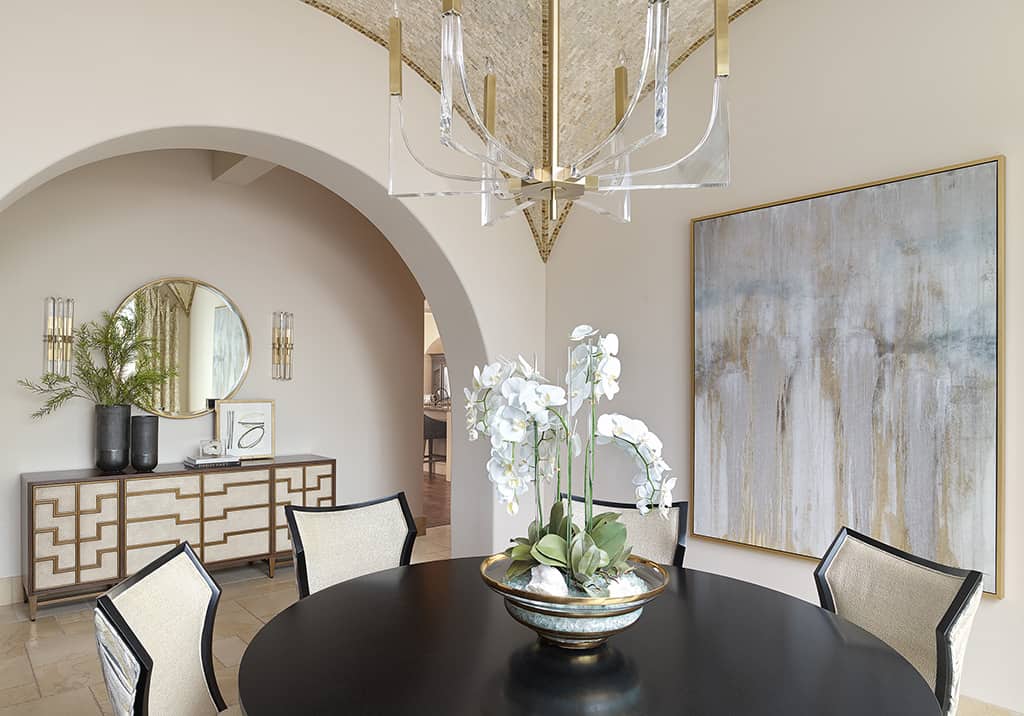
Statement lighting features, like chandeliers or artistic fixtures, elevate aesthetic appeal and reflect brand identity.
Seamless Transitions Between Spaces
Effective hospitality design thrives on seamless shifts between spaces, as they greatly enhance the guest experience. When you create seamless changes between spaces, you guarantee a logical flow and accessibility, especially in high-traffic areas like lobbies and elevators.
Clear signage is essential in these shifting areas, guiding guests effectively and preventing disorientation. Additionally, transitional lighting can direct guests toward amenities like restaurants and spas, creating an inviting atmosphere while maintaining functionality.
Prioritizing comfort and an intuitive layout allows guests to move effortlessly between environments, fostering a sense of ease. Maintaining open lobby areas and well-lit seating arrangements encourages social interactions, enhancing the overall guest experience and making every change feel natural and welcoming.
Engaging Professional Designers
Engaging professional designers is a vital step for any hospitality business aiming to create an inviting and functional space. By hiring experienced designers, you align your interior design with your brand goals and customer expectations, ensuring every detail resonates with guests.
These professionals earn an average salary of $52,476 a year, reflecting their specialized expertise in crafting environments that are both aesthetically pleasing and operationally efficient. Engaging professional designers who stay updated on current trends can modernize your hotel interiors, making them more appealing to potential guests.
Collaborating with these experts enhances the execution of your design concepts, ultimately improving guest experiences. Plus, utilizing tools like Cvent Event Diagramming software and Houzz can streamline communication and visualization throughout the design process.
Future Trends in Hospitality Design
As the hospitality industry evolves, staying ahead of future trends in design is essential for attracting modern travelers. You’ll want to focus on sustainability, incorporating eco-friendly materials and energy-efficient technologies that resonate with environmentally conscious guests.
Embracing smart technology in guest rooms and common areas allows you to offer personalized experiences through automation and connectivity. Creating flexible spaces that can transform from co-working areas to social venues meets diverse guest needs.
Additionally, biophilic design principles, such as integrating natural elements and light, create calming environments. Finally, featuring local art and cultural elements enriches the guest experience, connecting them to the community.
Let’s Make Your Dream Project a Reality!
Schedule a consult for your next home or commercial interior design project today!
Subscribe to Our Newsletter
Get interior design inspiration and tips delivered straight to your inbox.
"*" indicates required fields
Free Downloads