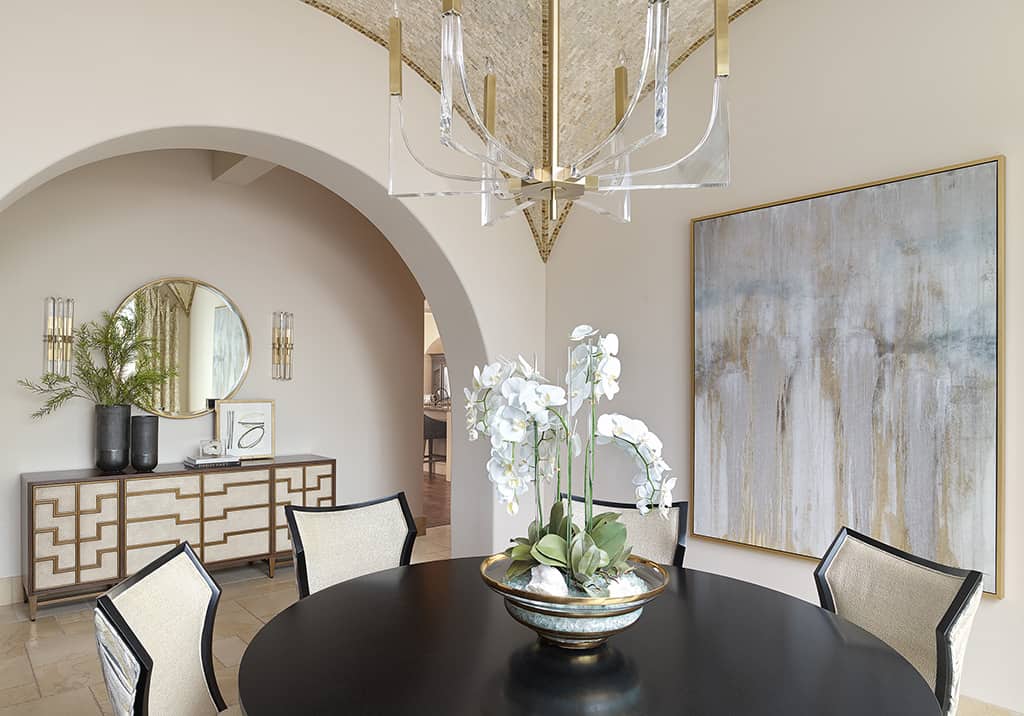

When you’re remodeling your kitchen and bath, creating flow between the two spaces is essential for a harmonious home. You’ll want to consider how color, materials, and layout work together to enhance continuity. By focusing on these elements, you can transform both areas into a cohesive design that feels inviting. But what specific strategies can you implement to achieve this seamless transition? Let’s explore some key considerations that will guide your project.
Understanding the Importance of Cohesion
When you embark on a kitchen and bath remodel, understanding the importance of cohesion is crucial for creating a harmonious space. Cohesion ties your kitchen and bath together, ensuring they complement each other rather than clash.
Start by considering design elements like cabinetry, flooring, and fixtures. Using similar materials or finishes can create a seamless transition between the two areas. Think about how the flow of your home works; you want both spaces to feel interconnected.
Pay attention to architectural details, too—matching trim styles or hardware can enhance this relationship. By focusing on cohesion, you’ll develop a more inviting atmosphere that reflects your personal style while maximizing functionality.
Color Palette Coordination
To create a stunning kitchen and bath remodel, you’ll want to focus on color palette coordination, as it can significantly influence the overall aesthetic.
Start by choosing a primary color that resonates with both spaces. This color can act as a unifying thread, creating a seamless transition between the kitchen and bath.
Consider complementary shades for accents, ensuring they harmonize without clashing. Neutrals work well to balance bolder colors, while soft pastels can evoke a calming vibe.
Don’t forget to test samples in both areas; lighting can change how colors appear.
Material Selection and Consistency
Color palette coordination sets the stage, but material selection and consistency are what truly bring your kitchen and bath remodel to life. Choose materials that not only complement your color scheme but also enhance functionality.
For instance, if you opt for sleek quartz countertops in the kitchen, consider using the same material for the bathroom vanity. This creates a seamless flow between spaces. Additionally, think about texture; mixing matte and glossy finishes can add depth without overwhelming the eye.
Don’t forget about hardware—select consistent finishes for faucets, cabinet knobs, and pulls across both areas. By carefully choosing materials and sticking to a consistent theme, you’ll create a harmonious environment that feels cohesive and thoughtfully designed.
Open Concept Design Ideas
Embracing an open concept design can transform your kitchen and bath into a spacious, fluid environment that encourages interaction and flow.
Start by removing unnecessary walls or barriers to create an uninterrupted sightline between the two spaces. Use consistent materials and color palettes to unify the areas, making them feel cohesive.
Consider large, multifunctional islands in the kitchen that can double as a gathering space, seamlessly connecting to the dining or living areas. Glass partitions or sliding doors can provide privacy when needed while maintaining openness when desired.
Incorporate ample natural light through large windows or skylights, enhancing the airy feel. This design approach not only boosts functionality but also enhances your home’s aesthetic appeal, making it inviting and vibrant.
Functional Layout Considerations
When designing a kitchen and bath remodel, it’s essential to prioritize a functional layout that maximizes efficiency and flow.
Start by considering the work triangle in the kitchen, ensuring the stove, sink, and refrigerator are easily accessible. In the bathroom, think about the placement of fixtures like the toilet, shower, and vanity to allow for smooth movement.
Open pathways and sufficient counter space are key to a seamless experience between the two areas. Incorporate storage solutions that keep both spaces organized while maintaining an airy feel.
Ensure that door swings don’t obstruct traffic flow, and if possible, align cabinetry to create a cohesive look. By carefully planning your layout, you’ll enhance both functionality and aesthetic appeal.
Lighting That Unifies
To create a harmonious atmosphere in your kitchen and bath remodel, effective lighting plays a crucial role in unifying the two spaces.
Start by choosing a consistent color temperature across both areas; warm tones can create a cozy feel, while cool tones offer a modern vibe.
Layer your lighting with ambient, task, and accent options to enhance functionality and aesthetics. Pendant lights over the kitchen island can flow seamlessly into wall sconces in the bath, creating continuity.
Consider dimmers to adjust brightness for different moods and times of day. By using similar styles and finishes, you can further enhance the connection, ensuring your lighting choices complement both environments beautifully.
This thoughtful approach will elevate the overall design of your remodel.
Incorporating Similar Fixtures
Incorporating similar fixtures throughout your kitchen and bath can significantly enhance the overall cohesion of your remodel. When you choose matching faucets, cabinet handles, or lighting fixtures, you create a seamless transition between the two spaces.
This approach not only unifies the aesthetic but also adds a touch of sophistication. Think about using materials like brushed nickel or matte black for both areas to establish a consistent theme.
You might also consider similar styles, whether modern, vintage, or industrial. By harmonizing these elements, you’ll ensure that each room feels connected while maintaining its unique functionality.
Don’t underestimate the power of these details; they can elevate your design and create a more enjoyable living environment.
Textures That Connect
Creating a cohesive design goes beyond just matching fixtures; it also involves harmonizing textures between your kitchen and bath.
Consider the materials you’re using. If you’ve chosen sleek quartz countertops in the kitchen, think about incorporating the same or a complementary material in your bathroom vanity. This creates a seamless transition.
Additionally, explore other textures like wood, metal, or tile. If your kitchen features rustic wooden cabinetry, a similarly textured wooden element, such as a shelf or accent piece, can tie the two spaces together.
Even the choice of fabrics, like soft linens or bold patterns, can echo across rooms. By carefully selecting textures that resonate with each other, you’ll create a flow that feels intentional and inviting throughout your home.
Accents and Decorative Elements
While you might overlook the importance of accents and decorative elements, they can significantly elevate the overall aesthetic of your kitchen and bath remodel.
Think about incorporating unique light fixtures that draw the eye and provide warmth. You can also use decorative tiles to create stunning backsplashes or borders that connect both spaces.
Don’t forget about hardware—selecting stylish knobs and handles can make a big difference in appearance. Adding artwork or decorative shelving can personalize your spaces, reflecting your taste and style.
Lastly, consider plants or flowers as natural accents that bring life and color. These small touches create harmony between your kitchen and bath, ensuring they work together beautifully while enhancing your home’s overall design.
Planning for Future Trends
As you enhance your spaces with accents and decorative elements, it’s also wise to think ahead about future trends in kitchen and bath design.
Consider incorporating sustainable materials and energy-efficient appliances, as these are becoming increasingly important. Smart technology is another key trend; think about integrating touchless faucets or voice-activated lighting.
Open-concept designs are still popular, so maintaining a flow between your kitchen and bath is essential. Don’t overlook color palettes; earthy tones and soft neutrals are making a comeback, offering timeless appeal.
Lastly, keep an eye on multifunctional spaces—design elements that serve dual purposes can maximize utility and style.
Conclusion
By focusing on these design elements, you can create a seamless flow between your kitchen and bath remodel. Remember to coordinate your color palette and materials, choose functional layouts, and incorporate similar fixtures and textures. Adding decorative accents will further unify both spaces, reflecting your personal style. With these tips, you’ll not only enhance the aesthetic appeal but also ensure a harmonious atmosphere that connects your home beautifully. Happy remodeling!
Let’s Make Your Dream Project a Reality!
Schedule a consult for your next home or commercial interior design project today!
Subscribe to Our Newsletter
Get interior design inspiration and tips delivered straight to your inbox.
"*" indicates required fields
Free Downloads